



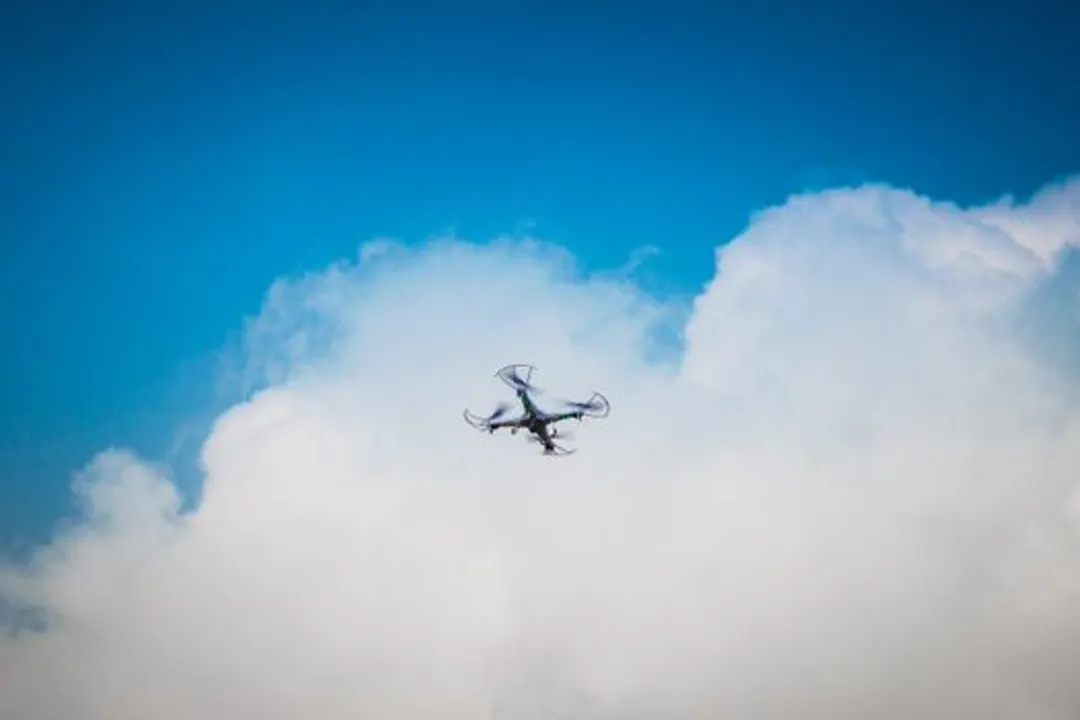
Ukraine drone technology is rapidly evolving in 2026. Specifically, FPV drones are proving crucial for anti-drone operations. These agile aircraft offer a unique advantage on the battlefield. They provide real-time, first-person views to operators. This allows for precise targeting. The conflict has spurred innovation in drone warfare. Many new tactics are emerging. Drone warfare is no longer a future concept. It is here now.
The battlefield in Ukraine has become a testing ground. It showcases the critical role of unmanned aerial vehicles. FPV drones, in particular, have captured attention. Their small size and speed make them difficult to detect. They can quickly respond to threats. This adaptability is vital for modern defense. The intensity of the conflict drives rapid technological development.
Understanding the impact of these drones is essential. They are changing how conflicts are fought. The battlefield demands constant adaptation. New strategies are crucial for success. Ukraine’s use of FPV drones highlights this. It offers a glimpse into future defense capabilities. The technology is advancing at an unprecedented pace.
The current landscape of aerial combat is complex. Drones have become a dominant force. FPV drones offer a distinct tactical edge. Their operational effectiveness is undeniable. The war in Ukraine has accelerated their development. This technology is reshaping military strategy globally.
The Rise of FPV Drones in Ukraine
First-person view (FPV) drones have surged in prominence. They offer pilots an immersive experience. This direct view enhances situational awareness. Operators feel like they are in the cockpit. This allows for incredibly precise maneuvers. They can navigate complex environments easily. This capability is invaluable for reconnaissance and attack missions.
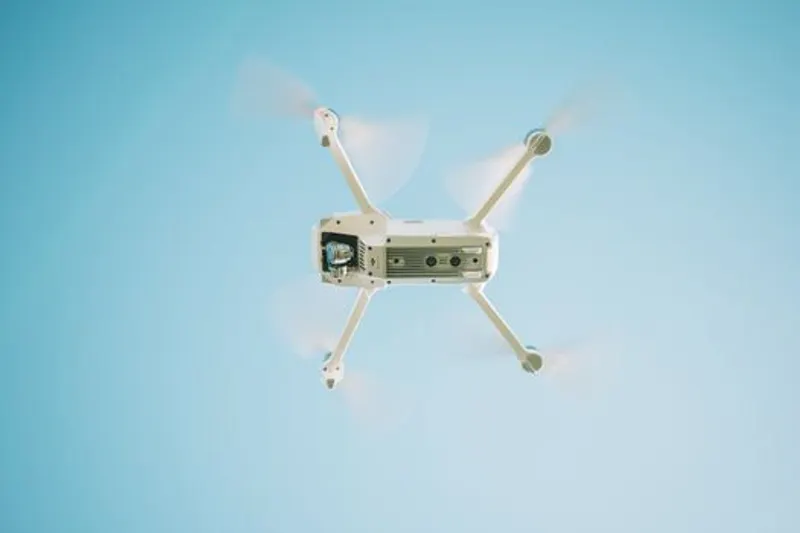
The agility of FPV drones is a key factor. They can dart and weave through obstacles. This makes them difficult targets for enemy air defenses. Their speed allows for rapid deployment. They can intercept incoming threats quickly. This responsiveness is critical in dynamic combat zones. The Ukraine conflict has highlighted their utility.
Furthermore, FPV drones are cost-effective. Compared to traditional military aircraft, they are cheaper. This allows for their widespread deployment. Their expendability is also an advantage. Losing an FPV drone is less impactful. This enables bolder tactical decisions. The military technology is transforming conflict dynamics.
FPV Drones as an Anti-Drone Solution
FPV drones are not just for offense. They are increasingly used for anti-drone operations. Their speed and maneuverability allow them to intercept enemy drones. They can engage threats that are difficult for traditional systems. This creates a dynamic defense layer. It complements existing anti-air capabilities.
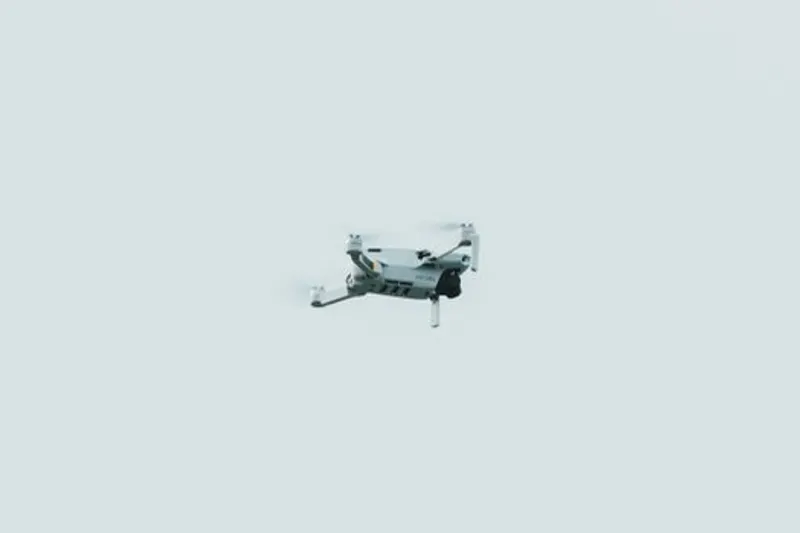
Operators can use FPV drones to hunt other drones. They fly close to identify and neutralize threats. This “drone hunting” requires skill. It also requires specialized drone designs. The real-time video feed is crucial. It allows pilots to make split-second decisions. This is a new form of aerial combat.
The effectiveness of FPV drones in this role is significant. They provide a versatile counter-unmanned aerial system (C-UAS) capability. This is vital for protecting critical infrastructure. It also safeguards frontline troops. The drone attack threat is constant. FPV drones offer a responsive solution.
Technological Advancements and Adaptation
The technology behind these drones is constantly improving. Newer models feature enhanced sensors. They also have improved communication systems. Battery life is also a focus. This allows for longer operational endurance. The demand for better performance is high. Innovation is driven by battlefield needs.
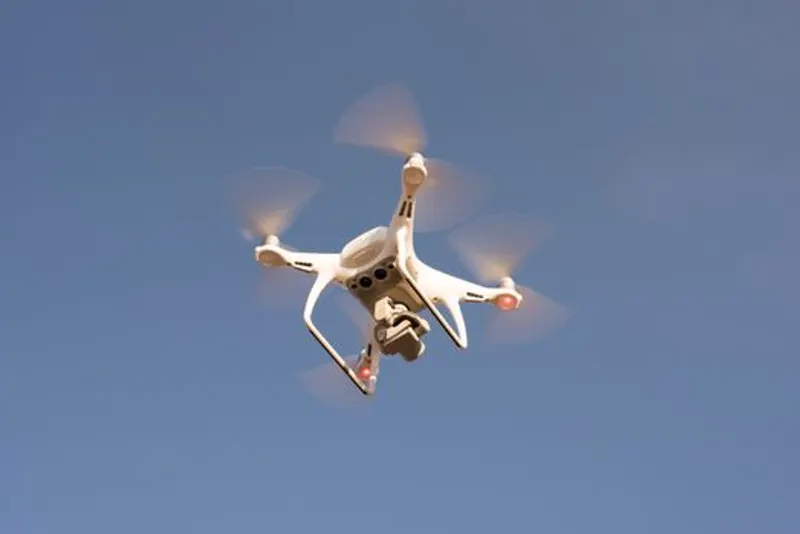
Software development is also crucial. Advanced algorithms assist pilots. They can help with target acquisition. They also improve flight stability. AI integration is a growing trend. This enhances the autonomy of these systems. The swarm drones concept is also evolving. FPV drones can operate in coordinated groups.
The adaptation of FPV drone technology is remarkable. It shows how quickly new tools can be integrated. The battlefield demands continuous learning. Ukraine’s forces have shown great ingenuity. They are adapting existing technology. They are also developing new tactics on the fly. This agility is a key advantage.
Challenges and Future Outlook
Despite their advantages, FPV drones face challenges. Jamming and electronic warfare can disrupt their signals. This is a significant threat in a contested environment. Protecting communication links is vital. Robust encryption is necessary. Counter-measures are constantly being developed.
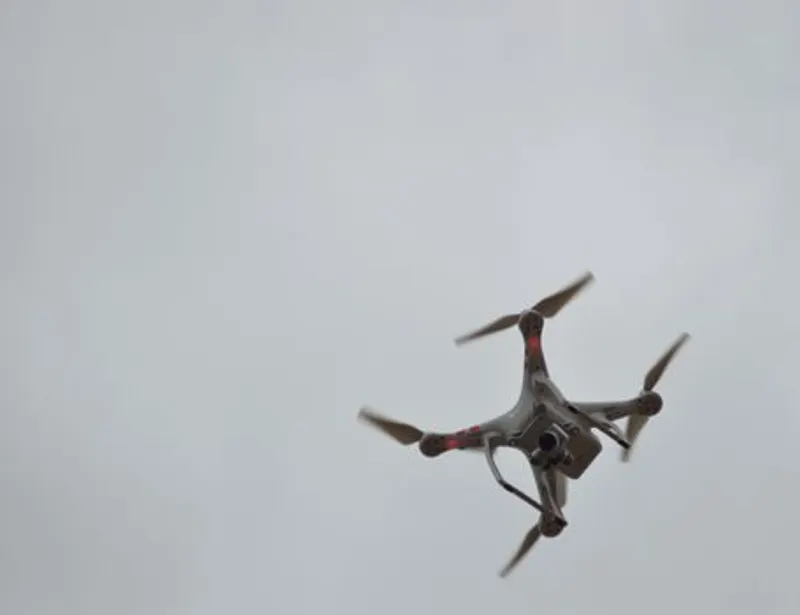
The cost of sophisticated FPV drones can still be high. While cheaper than traditional aircraft, advanced models require investment. Training pilots also requires resources. Building a skilled operator base is essential. The speed of technological change means continuous upgrades are needed.
Looking ahead, FPV drones will likely play a larger role. Their integration into broader military systems will continue. Expect more autonomous capabilities. The development of specialized anti-drone FPV platforms will accelerate. This technology represents a significant shift in war. It is a testament to human ingenuity under pressure.
The evolution of drone warfare is fascinating. It mirrors earlier technological shifts. For instance, Iran’s development of the Jellyfish drone formation shows a different approach to drone tactics. Their reported ability to down an F-15E Strike Eagle highlights the potential impact of advanced drone technology. While this specific incident is debated, the underlying concept of innovative Iran drones is noteworthy. The jellyfish drone concept, if proven effective, could represent a new paradigm in drone tactics.
Meanwhile, the conflict in Ukraine has also seen its share of drone-related incidents. The Moscow drone attack brought the war’s impact directly to the heart of Russia. Such attacks demonstrate the reach of drone technology. They can affect even well-defended urban centers. The Kremlin and other strategic locations are not immune. The threat of drone attack is a constant concern for all parties involved.
The ongoing advancements in technology related to drones are undeniable. From complex formations to individual FPV units, the landscape is constantly shifting. Understanding these developments is key for anyone involved in defense or technology sectors. The industry is moving at a breakneck pace.
The insights gained from the Ukraine conflict are invaluable. They inform future strategies and technological development. The role of FPV drones in anti-drone warfare is a prime example. It shows how adaptable and innovative modern warfare can be. The drone warfare landscape continues to evolve rapidly.
For more information on the business and technological aspects of defense, consider exploring resources in the Business and Technology sections. Understanding the Regulations surrounding drone use is also critical. The Education section may offer further insights into drone operations.
The continuous development in this field warrants close observation. It impacts global security and technological advancement significantly. The future of aerial warfare is undeniably tied to drone capabilities. This includes both offensive and defensive applications.
The effectiveness of FPV drones in Ukraine’s anti-drone efforts is a testament to agile innovation. This technology offers a significant advantage. It highlights the importance of adaptable defense strategies. The ongoing conflict serves as a crucial case study.
The rapid evolution of drone technology in Ukraine is a critical development. FPV drones are at the forefront of anti-drone capabilities. Their agility and real-time control offer a unique tactical advantage. This makes them indispensable for modern defense operations.
The insights from this conflict are shaping the future of warfare. They underscore the need for continuous innovation. The defense sector must remain adaptable. The integration of FPV drones is a prime example of this adaptation. It also highlights the ongoing importance of military technology.
The strategic importance of FPV drones in Ukraine cannot be overstated. They represent a significant leap in anti-drone warfare. Their widespread adoption signals a new era of aerial combat. This technology is continuously refined. It offers a crucial edge on the battlefield.
The ongoing conflict continues to drive innovation. FPV drones are a key part of this evolution. Their role in countering aerial threats is expanding. This makes them a critical component of modern defense strategies. The drone warfare landscape is forever changed.
The future of anti-drone operations is here. Ukraine is leading the way with FPV drone technology. Their effective use provides valuable lessons. These lessons will inform global defense strategies for years to come.
Would you like to explore how FPV drone technology can enhance your organization’s capabilities? Contact Liu Purnomo via email at liu@drone.co.id or reach out on WhatsApp at https://wa.me/62811319191 for a complimentary consultation.