



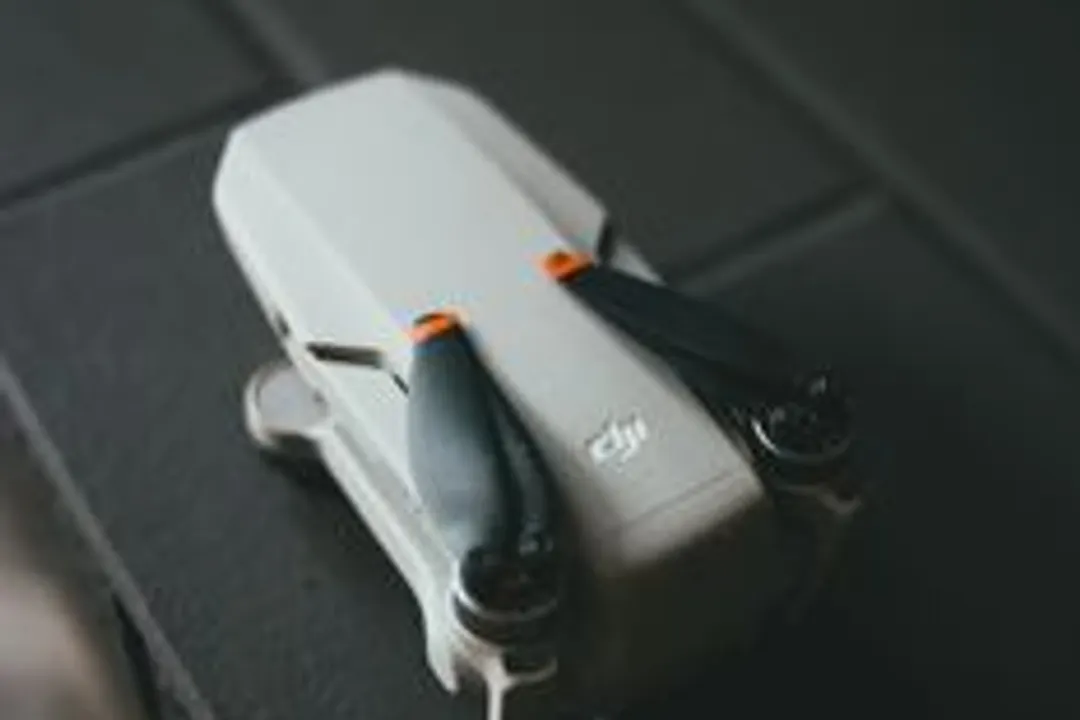
The dominance of the dji drone in the global market is undeniable in 2026. DJI has consistently pushed the boundaries of aerial technology. This innovation has cemented their position as a market leader. Their products are found in the hands of hobbyists and professionals alike.
DJI’s journey to the top was not accidental. It involved strategic investments in research and development. They also focused on user experience and building a strong brand presence. This approach allowed them to capture a significant share of the drone industry rapidly.
Understanding DJI’s success offers valuable insights into the competitive technology landscape. Their strategy can inform other companies aiming for market leadership. This article explores the factors behind DJI’s remarkable market reign.
We will delve into their product evolution. We will also examine their marketing strategies and ecosystem development. Finally, we will look at the future outlook for the dji drone brand.
DJI’s Ascent to Market Leadership
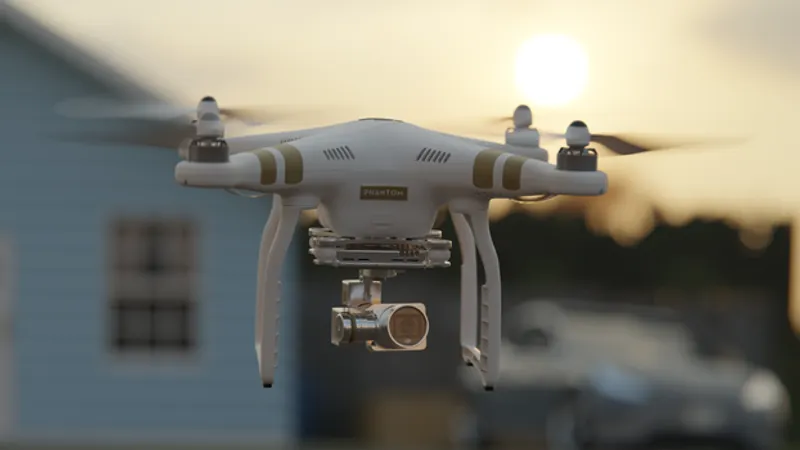
DJI’s rise began with a clear vision: to make aerial technology accessible. They focused on creating user-friendly yet powerful drones. Early models like the Phantom series revolutionized aerial photography. They brought professional-grade capabilities to consumers at an unprecedented price point.
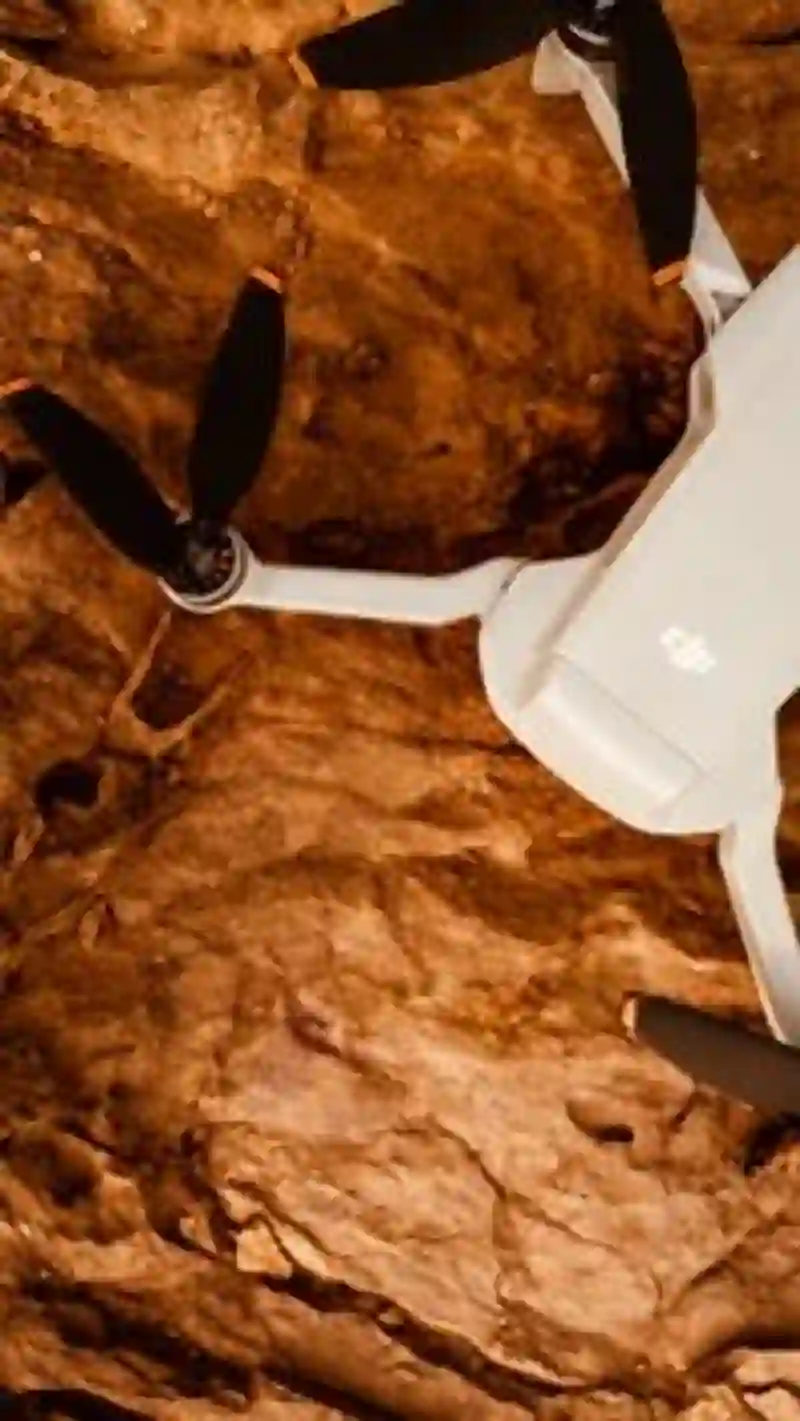
This accessibility democratized the drone market. It allowed a new generation of creators to capture stunning visuals. DJI’s commitment to quality and continuous improvement fueled this growth. They quickly became the go-to brand for anyone looking to fly.
Furthermore, DJI understood the importance of an integrated ecosystem. They developed user-friendly software and accessories. This created a seamless experience for their customers. This holistic approach is a key reason for their enduring success.
Innovation Driving DJI’s Dominance
Innovation remains the cornerstone of DJI’s strategy. In 2026, they continue to lead with advanced features. Features like sophisticated obstacle avoidance systems are now standard. Their camera technology offers unparalleled image quality for both photo and video.
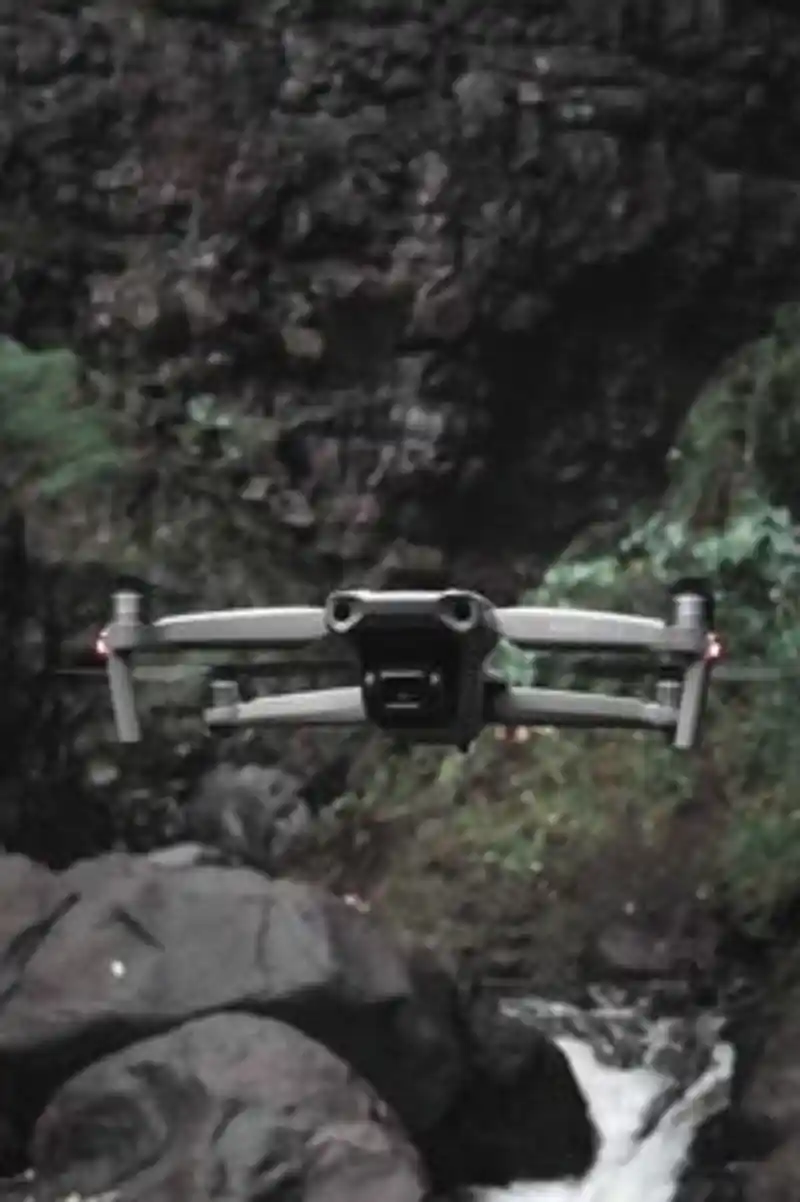
DJI also excels in miniaturization and battery efficiency. This allows for longer flight times and more portable designs. These advancements are crucial for both recreational users and commercial applications. The Q4 surveillance drone, for example, showcases advanced ISR capabilities.
Moreover, DJI is at the forefront of developing new drone applications. They explore areas like last-mile delivery and advanced mapping. Their commitment to pushing technological frontiers ensures they stay ahead of competitors. This constant drive for innovation is vital in the fast-paced technology sector.
Expanding Market Segments
DJI’s success is not limited to the consumer market. They have strategically expanded into various professional sectors. This includes cinematography, agriculture, public safety, and infrastructure inspection. Their enterprise-grade drones offer specialized solutions for industry needs.

For instance, their surveillance drone technology is vital for ISR missions. This is a critical area for defense and security. While not directly involved in drone warfare tactics like those seen with Jellyfish drone formation in Iran, their technology underpins many modern aerial operations.
The company also caters to niche markets. They have even ventured into the toy market with products like the Buzz Lightyear drone. This demonstrates their broad appeal and ability to adapt their technology across diverse consumer segments.
The DJI Ecosystem Advantage
A significant factor in DJI’s market dominance is its comprehensive ecosystem. This includes a wide range of drones, gimbals, cameras, and accessories. It also encompasses robust software platforms for flight control, editing, and data analysis.
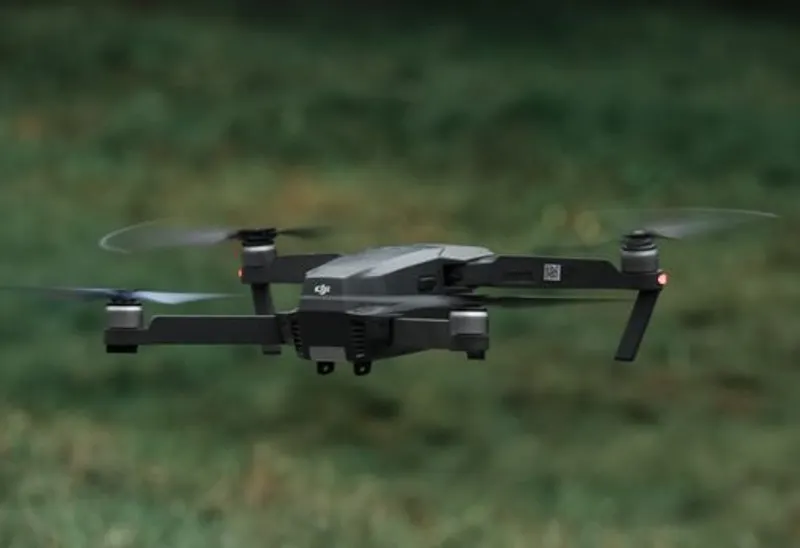
This integrated approach simplifies the user experience. It also fosters customer loyalty. Users can rely on DJI for their entire aerial workflow. This creates a strong competitive moat. It makes it harder for new entrants to challenge their position.
Furthermore, DJI actively supports its community. They provide extensive training resources and developer support. This encourages third-party innovation within their platform. This collaborative approach strengthens the overall Ekosistem Drone and solidifies DJI’s market leadership. This is crucial for navigating complex landscapes like Regulasi Udara and Pengelolaan Ruang Udara.
Navigating the Competitive Landscape
While DJI leads, the drone market remains competitive. Other companies are striving to innovate and gain market share. In the defense sector, companies like ideaForge and Tor Robotics are developing advanced military-grade UAVs. These cater to specific military needs.
The use of drones in conflict zones highlights their evolving role. Events like the Moscow drone attack demonstrate the real-world implications of drone technology. While DJI focuses primarily on commercial and consumer markets, the broader military technology space sees diverse players. Reports of Jellyfish drone formation in Iran also point to innovative drone warfare tactics being developed.
However, DJI’s established brand recognition, extensive distribution network, and continuous product development give them a significant edge. Their ability to balance innovation with affordability keeps them at the forefront.
The Future of DJI Drones
Looking ahead to 2026 and beyond, DJI is well-positioned for continued success. They are likely to focus on further integrating AI into their systems. This will enhance autonomous capabilities and data processing. Advanced AI could lead to even more sophisticated applications in various industries.
The company will probably continue expanding its enterprise solutions. This includes drones for advanced logistics, agricultural monitoring, and emergency response. As regulations evolve, particularly with new legislation like UU Nomor 21 Tahun 2025, DJI will adapt its offerings to comply and lead in new markets.
Furthermore, DJI might explore new form factors and propulsion systems. This could include more advanced VTOL UAVs or specialized drones for extreme environments. Their sustained investment in R&D ensures they will remain a dominant force in the drone industry for years to come.
The remarkable success of the dji drone is a testament to strategic innovation and market understanding. They have successfully democratized aerial technology and built a powerful ecosystem. This has allowed them to capture and maintain a leading position in the global market.
As the drone industry continues to evolve, DJI’s commitment to pushing technological boundaries will be key. Their ability to adapt to new regulations and market demands ensures their continued relevance. The future looks bright for DJI and their groundbreaking aerial solutions.
Want to stay ahead of the curve in drone technology and its applications? Let UAS Daily guide you. Hubungi UAS Daily via WhatsApp for expert insights and the latest industry news.