




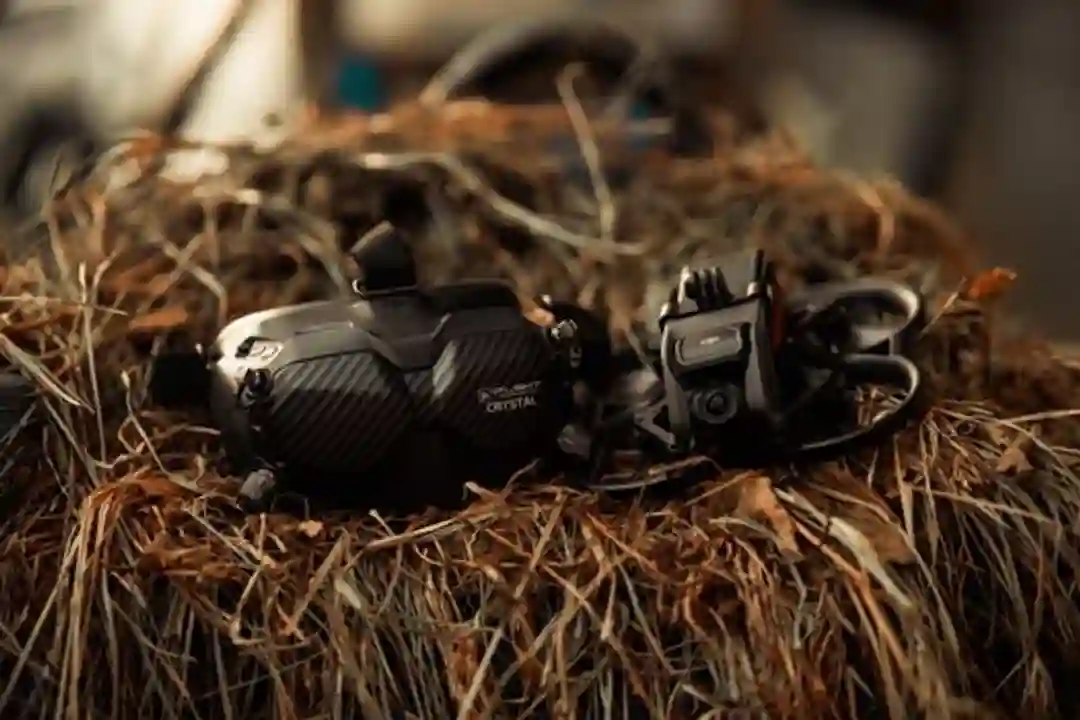
The pervasive and destructive power of First-Person View (FPV) drones is rapidly redrawing the blueprints of modern warfare, pushing militaries to adapt at an unprecedented pace. From the frontlines in Ukraine, where these agile unmanned aerial vehicles (UAVs) are deployed in staggering numbers, to the strategic recalculations underway for critical U.S. infrastructure, FPV technology is proving to be a disruptive force far beyond its modest cost.
Ukrainian Commander-in-Chief Oleksandr Syrskyi recently highlighted the sheer scale of this drone war, reporting that Russia is preparing to deploy an astonishing 33,000 FPV drones daily. This figure underscores the critical role FPV systems now play in determining infantry survival, logistics, and the tempo of assault operations, as reported by UNITED24 Media. Syrskyi’s strategy centers on exhausting Russian forces, with drone warfare being central to both defensive and strike operations. Earlier this month, Ukraine reportedly held a 1.5-to-1 advantage in FPV drones, a gap it aims to widen.
Escalating Stakes in Eastern Europe
The impact of FPV drones in the ongoing conflict is tangible and often devastating. Ukrainian Defense Forces recently destroyed a Russian FPV drone depot in the Belgorod region, near Alekseyevka, according to the General Staff of the Armed Forces of Ukraine. This facility, previously a bankrupt construction materials plant, was reportedly struck by a Ukrainian missile on June 23, following an earlier drone attack in early June, as detailed by Мілітарний. Such strikes are part of a broader effort to degrade the enemy’s drone capabilities and supply lines.
However, the civilian toll of this evolving warfare remains high. In Kramatorsk, a Russian FPV drone strike on a private road killed a local man on June 26, according to Oleksandr Goncharenko, head of the Kramatorsk City Military Administration, highlighting the indiscriminate dangers of drone proliferation in conflict zones.
Beyond the Skies: Ground Robotics and Naval Vulnerabilities
While FPV drones have dominated the airspace, their influence is now extending to ground operations. David Kirichenko, writing for the Center for European Policy Analysis (CEPA), notes that Ukrainian forces are increasingly deploying unmanned ground vehicles (UGVs) to clear paths and engage Russian positions, particularly where aerial drones face limitations. These UGVs, some armed with machine guns, are designed to reduce human casualties by taking on dangerous tasks like clearing fortified positions or ambushing enemy drones. “A UGV armed with a machine gun is probably more intimidating than an infantryman in many situations,” said Obi, a soldier from Ukraine’s 3 Special Operations Regiment, emphasizing the psychological and physical impact of robotic warfare.
The implications of FPV drone technology are also forcing a re-evaluation of naval defense strategies far from the Ukrainian front. Craig Hooper, a senior contributor at Forbes, argues that audacious Ukrainian FPV drone attacks on Russian naval bases and cargo vessels demonstrate that American naval infrastructure, especially within 100 miles of U.S. borders, is no longer immune. He points to Navy Base San Diego, a critical hub for U.S. naval power in the Pacific, as particularly vulnerable due to its proximity to the Mexican border. U.S. Border Patrol detected 27,000 drones within 1,600 feet of the southern border in the latter half of 2024, illustrating a tangible cross-border drone threat.
Hooper advocates for a strategic overhaul of maritime basing, prioritizing defendability, resiliency, and dispersal over traditional peacetime preferences. The long-ingrained perception of invulnerability, he suggests, has led to inertia in addressing these modern threats. The Navy’s slow acceptance of this new reality could leave key assets exposed.
U.S. Military Adapts with “Mothership” Concept
In response to the lessons learned from conflicts like Ukraine, the U.S. Marine Corps is actively exploring innovative ways to integrate FPV drones into its operations. Recent exercises at Marine Corps Air-Ground Combat Center Twentynine Palms in California demonstrated the use of H-1 helicopters as “airborne motherships” or “flying command posts” for FPV drones, including the Neros Archer system, as reported by Vozpopuli. This strategy allows helicopters to launch and control drones from a safer distance, extending their reach and lethality without directly exposing manned aircraft to the most dangerous parts of the battlefield.
Sgt. Matthew Pocklington, a UH-1Y crew chief, summarized the safety benefits, stating that drones can “close with and destroy an en[emy]” while reducing risk to human operators. This concept of using larger aircraft as relays for smaller, expendable drones represents a significant shift in tactical thinking, reflecting the rapid evolution of drone tactics and the broader trend of military technology development. The Marine Corps has also established an Attack Drone Team to accelerate FPV training and shape future requirements, underscoring the urgency with which the U.S. military is adapting to this transformative technology. This proactive approach aims to leverage the economic and tactical advantages of FPV drones, much like the drone swarm technology and AI revolutionizing warfare in other contexts.
The global landscape of defense is clearly being reshaped by the proliferation and increasing sophistication of FPV drones. From mass deployments in active warzones to strategic re-evaluations of critical infrastructure and the development of new operational doctrines, these small, agile UAVs are demanding a fundamental shift in how nations approach security and conflict.


 drones are fundamentally altering military strategy and defense, from their intense use in Ukraine to new concerns for U.S. naval in)