



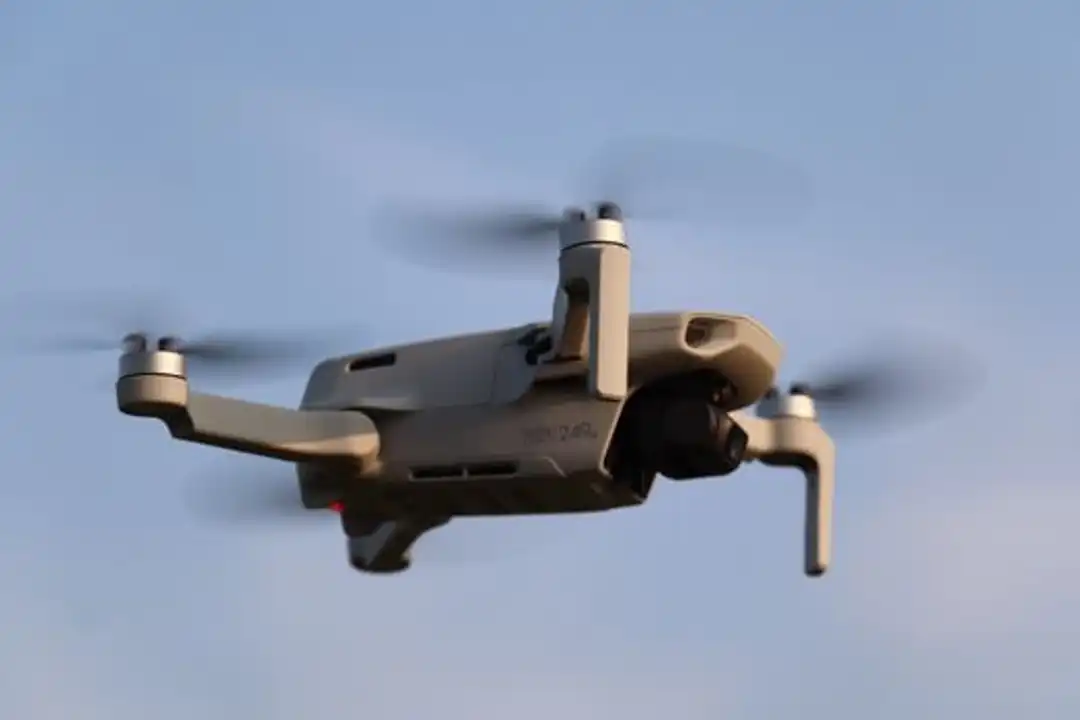
DJI has launched its new Lito series, comprising the Lito 1 and Lito X1, signaling a significant shift in the entry-level consumer drone market. These sub-250g drones introduce advanced features typically found in higher-end models, such as omnidirectional vision systems, 4K video capabilities, and advanced obstacle avoidance, all while maintaining competitive price points. The move appears to be a strategic effort by DJI to redefine what beginners can expect from an affordable drone, though their current exclusion from the U.S. market presents a notable caveat.
Introduced at the end of April 2026, the Lito 1 and Lito X1 are positioned as replacements for DJI’s existing “non-pro” Mini series, according to CineD. This suggests a consolidation of DJI’s product lines, with the “Mini Pro” designation likely reserved for its premium sub-250g offerings. Engadget highlights that both models retail for under $400, offering “Mini Pro-like performance at a lower price.” This aggressive pricing, combined with enhanced features, is expected to attract a new wave of first-time aerial creators and content producers.
Feature Set Elevates Beginner Expectations
Both Lito models maintain the crucial sub-249g weight, which often exempts them from more stringent regulatory requirements in many regions, making them ideal for novice pilots. This design choice, as noted by Imaging Resource, aligns them with DJI’s ultralight class, alongside models like the Neo and Flip. Beyond weight, the Lito series brings substantial upgrades. Both drones feature omnidirectional vision systems for comprehensive obstacle detection, a significant safety enhancement for beginners. The Lito X1 further distinguishes itself with a front-facing LiDAR sensor, offering enhanced tracking precision and improved safety in complex environments, a feature rarely seen in this price segment, Engadget reports.
Imaging capabilities have also received a considerable boost. The Lito 1 sports a 1/2-inch 48MP CMOS sensor, capable of recording 4K video at up to 60 frames per second (fps) in 10-bit color. The Lito X1, with its larger 1/1.3-inch sensor, adds support for HDR video and DJI’s D-Log M profile, providing greater flexibility for post-production, according to UAV Coach. CineD’s review of the Lito 1 highlighted its ability to record 4K up to 100fps, further emphasizing the series’ video prowess. These specifications mark a clear departure from previous entry-level offerings, bringing high-quality aerial video within reach of a broader audience.
Market Implications and Geographic Limitations
The introduction of the Lito series suggests DJI is aiming to capture a larger share of the burgeoning market for social media content creation. New Atlas noted that the Lito 1 and Lito X1 support 2.7K vertical video recording, directly catering to the demands of platforms like TikTok and Instagram Reels. This focus on user-friendly features and social media compatibility positions the Lito series as a strong contender for aspiring creators.
However, a critical aspect of this launch is its geographic limitation. As reported by multiple sources, including Imaging Resource and UAV Coach, neither the Lito 1 nor the Lito X1 are expected to be available in the United States, at least initially. This follows a pattern seen with other recent DJI releases and could significantly impact the market landscape in the U.S. Without these competitive offerings, American consumers may continue to rely on older DJI models like the DJI Mini 4K Drone Reaches All-Time Low Price During Prime Day Event or explore alternatives from other manufacturers in the entry-level segment.
Competitive Landscape and Future Outlook
The Lito series’ blend of affordability and advanced features sets a new benchmark for entry-level drones. By integrating technologies like omnidirectional obstacle sensing and high-resolution cameras, DJI is effectively democratizing capabilities that were once exclusive to professional-grade equipment. This strategy could pressure competitors to innovate more rapidly in the budget drone category. The enhanced safety features, particularly the LiDAR on the X1, could also contribute to greater pilot confidence and potentially reduce incidents, fostering wider adoption of consumer drones.
For the broader drone industry, DJI’s move reinforces its dominance in the consumer segment. While the U.S. market remains an open question, the Lito series’ global availability outside the U.S. positions DJI to solidify its market share in other regions. The company’s consistent innovation in miniaturization and feature integration, exemplified by the Lito series, continues to shape consumer expectations for drone technology. As the drone market evolves, particularly with discussions around regulations and autonomous systems, DJI’s ability to deliver advanced capabilities at accessible price points will remain a key factor in its continued success.