


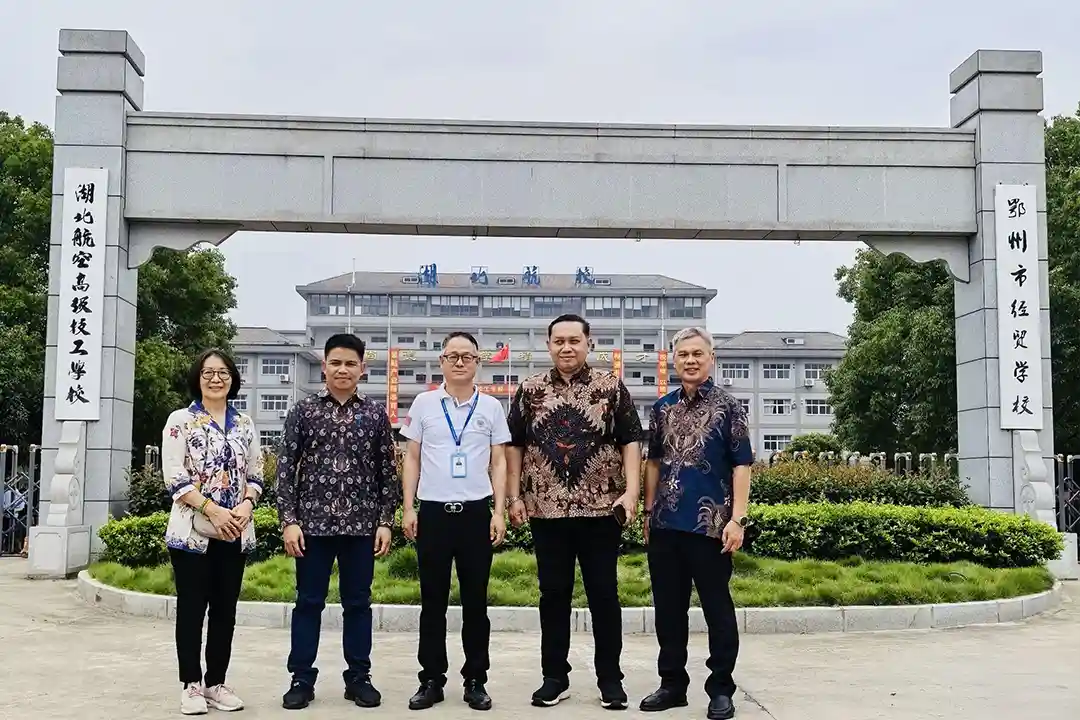
Drone Indonesia, represented by PT Remote Pilot Indonesia, recently embarked on a significant visit to Wuhan, China. The objective was to observe the operational methodologies of a leading drone school. This strategic engagement, which took place on Thursday, June 29, 2026, was initiated by an invitation from a business associate.
The visit aimed to foster international understanding and potentially forge collaborative pathways in the burgeoning drone education sector. The delegation was led by Liu Purnomo, the CEO of PT Remote Pilot Indonesia. His presence underscored the company’s commitment to advancing drone pilot training standards.
Furthermore, it highlighted Indonesia’s growing interest in global best practices within the unmanned aerial vehicle (UAV) industry. Wuhan, a city known for its technological advancements, provided a fitting backdrop for this exploratory mission. This trip signifies a proactive step by PT Remote Pilot Indonesia.
They are actively seeking to enhance their training programs. Moreover, they are looking to integrate innovative teaching techniques.
By visiting a well-established drone institution, they hope to gain invaluable insights. These insights will then be applied to their own curriculum and operational frameworks back home. The exploration of collaboration opportunities is a key driver behind this visit. PT Remote Pilot Indonesia recognizes the immense potential of international partnerships. Such collaborations can facilitate knowledge exchange and joint ventures.
This could ultimately lead to the development of more comprehensive and globally recognized drone pilot training certifications. Therefore, the visit to Wuhan represents a crucial step in their long-term strategic development.
Understanding Global Drone Education Models
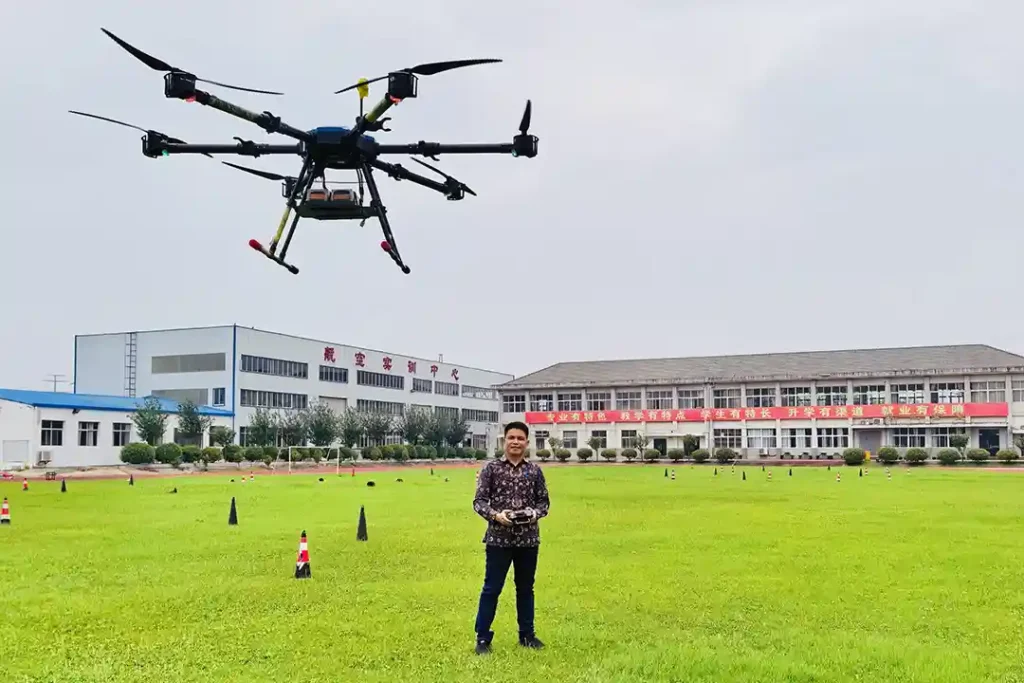
The visit to Wuhan provided PT Remote Pilot Indonesia with an unparalleled opportunity to dissect the intricacies of a successful drone education model. Liu Purnomo and his team were keen to understand every facet of the school’s operations. This included their curriculum design, teaching methodologies, and the practical training facilities they offered.
By observing these elements firsthand, they could identify strengths and potential areas for improvement within their own training programs. Furthermore, the delegation sought to gauge the effectiveness of the school’s assessment procedures. They were interested in how theoretical knowledge was translated into practical flying skills.
Understanding the balance between classroom instruction and hands-on flight experience is paramount. This is especially true in a field as dynamic and technically demanding as drone piloting. Therefore, meticulous observation was crucial for gaining a comprehensive understanding.
The Chinese drone school also showcased its approach to safety protocols and regulatory compliance. These aspects are non-negotiable in drone operations. PT Remote Pilot Indonesia recognized the importance of adhering to the highest safety standards. Thus, they paid close attention to how these principles were embedded within the training curriculum.
Effectively, this visit was an in-depth study of an established educational system. This comprehensive review allowed PT Remote Pilot Indonesia to benchmark their current offerings against international standards. Identifying discrepancies and areas of excellence is vital for continuous improvement. Ultimately, the goal is to equip Indonesian drone pilots with skills that are recognized and respected worldwide. Therefore, this educational audit was a cornerstone of the Wuhan visit.
Exploring Avenues for International Collaboration
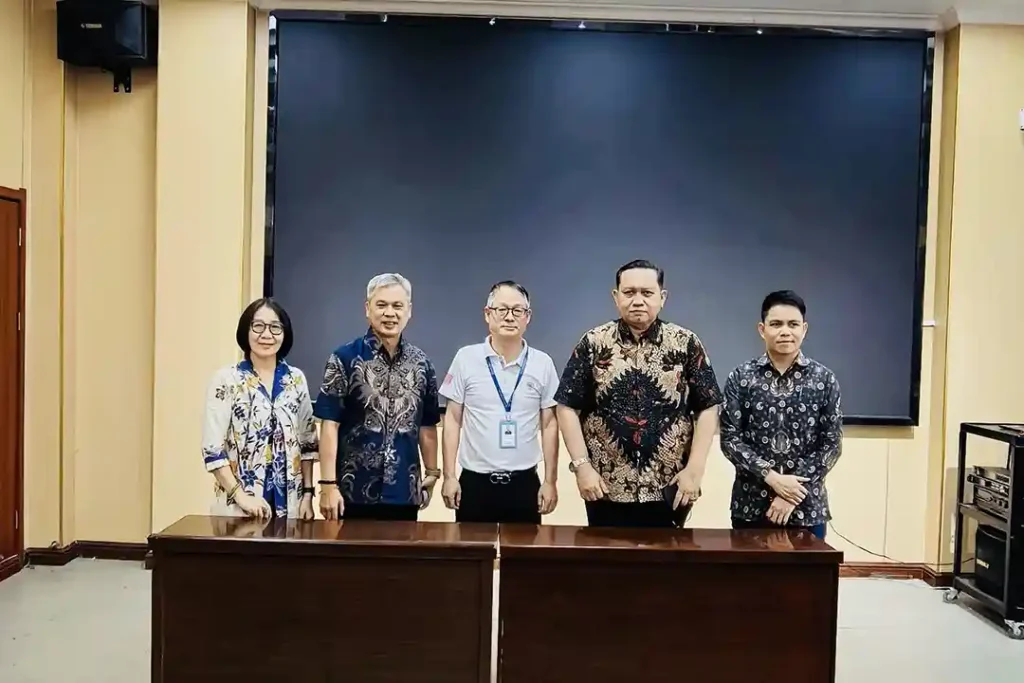
A primary objective of the visit was to identify concrete avenues for collaboration between PT Remote Pilot Indonesia and its Chinese counterparts. Liu Purnomo expressed a strong desire to foster a mutually beneficial relationship. Such a partnership could involve joint curriculum development, shared research initiatives, or even the establishment of exchange programs for instructors and students.
These initiatives are crucial for cross-pollination of ideas and best practices. The discussions also touched upon the potential for technology transfer. China is a global leader in drone manufacturing and innovation. Therefore, access to cutting-edge drone technology and software could significantly benefit Indonesian trainees. PT Remote Pilot Indonesia is eager to explore how to integrate advanced UAV platforms and simulation tools into their training.
Consequently, this would enhance the practical skills of their graduates. Moreover, the possibility of joint certification programs was explored. This would allow drone pilots trained in Indonesia to gain international recognition for their qualifications. Such a move would undoubtedly boost the employability of Indonesian pilots in the global market. It would also elevate the standing of Indonesian drone education on the international stage.
Therefore, this aspect of the discussion was highly significant. The invitation from a business associate facilitated these crucial conversations. It provided a platform for open dialogue and relationship building. PT Remote Pilot Indonesia believes that such international collaborations are essential for the sustainable growth of the drone industry. They are committed to pursuing these opportunities with enthusiasm and a long-term vision. This strategic engagement marks a significant milestone for the company.
The Future of Drone Education and PT Remote Pilot Indonesia
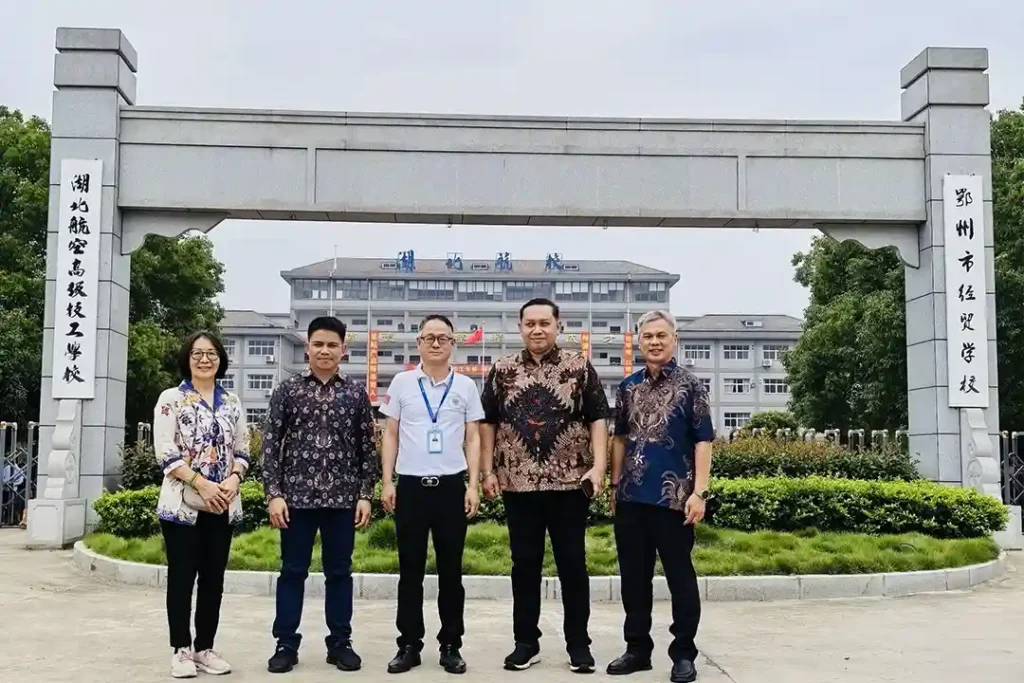
The insights gained from the Wuhan visit are poised to shape the future trajectory of PT Remote Pilot Indonesia. The company is committed to integrating the best practices observed into its training modules. This includes adopting more advanced simulation technologies and refining practical flight training exercises.
The focus will be on producing highly skilled and safety-conscious drone operators. Furthermore, the exploration of collaborative initiatives is ongoing. PT Remote Pilot Indonesia is actively pursuing partnerships with Chinese drone schools and manufacturers. The aim is to create a robust ecosystem for drone education in Indonesia. This ecosystem will foster innovation, enhance training standards, and promote the adoption of drones across various sectors.
Therefore, the long-term implications are substantial. Liu Purnomo emphasized the importance of staying at the forefront of drone technology and education. “The drone industry is evolving at an unprecedented pace,” he stated. “It is imperative that we continuously adapt and innovate. Our visit to Wuhan has provided us with valuable perspectives. We are excited to leverage these learnings to elevate drone pilot training in Indonesia.” This quote highlights their forward-thinking approach. In conclusion, the visit to Wuhan represents a pivotal moment for PT Remote Pilot Indonesia. It underscores their dedication to excellence and their ambition to become a leading drone training institution.
By embracing international collaboration and adopting global best practices, they are well-positioned to contribute significantly to the growth of the drone industry in Indonesia and beyond. The seeds of future partnerships have been sown.
The trip to Wuhan serves as a testament to PT Remote Pilot Indonesia’s proactive approach. They are not merely operating within the domestic market. Instead, they are actively engaging with international leaders. This global perspective is crucial for staying competitive. It also ensures that their graduates are equipped with skills relevant to a worldwide industry. The company’s commitment to continuous improvement is evident.
The potential for knowledge sharing is immense. China’s experience in large-scale drone deployment and training is extensive. Indonesia can benefit greatly from this expertise. Likewise, Indonesian insights into specific regional applications and market needs could also be valuable to Chinese partners. This reciprocal exchange is the hallmark of successful international collaboration. Thus, the visit lays the groundwork for such a partnership.
Looking ahead, PT Remote Pilot Indonesia plans to implement new training modules based on their findings. They will also explore pilot programs for instructor training and student exchange. The company believes that these initiatives will foster a more skilled workforce. This, in turn, will accelerate the adoption of drone technology across various industries in Indonesia, from agriculture and surveying to logistics and public safety. The future of drone operations in Indonesia looks brighter as a result.