




Jellyfish drone formation Iran downs US jet pilot reported seeing alien-like swarm before ejection. Analysis suggests new drone tactics.
A downed U.S. pilot described an unsettling aerial encounter with Iranian drones. He reported seeing them swarm in a unique “jellyfish” formation. This unusual tactic may have played a role in the aircraft’s downing. The incident highlights a potential evolution in drone warfare tactics.
The pilot, flying an F-15E Strike Eagle, ejected after his aircraft was targeted. He was later rescued by commandos. During debriefings, he detailed the peculiar drone swarm. Sources familiar with the matter shared these accounts with CNN. The formation was described as “multiple drones interconnected and moving as one.” Smaller drones reportedly positioned themselves below larger ones, resembling tentacles.
The pilot himself described the sight as “real alien s**t.” This vivid description underscores the novelty and disorienting nature of the observed drone behavior. The incident marks the first time a U.S. aircraft has been shot down over Iran during the ongoing conflict. The exact cause of the F-15E’s downing is still under investigation.
Unprecedented Drone Swarm Tactics
The reported “jellyfish” formation represents a significant development in Iran’s drone capabilities. This tactic suggests a sophisticated coordination of multiple unmanned aerial vehicles. Such a swarm could overwhelm enemy defenses. It also presents a novel challenge for air forces worldwide. The maneuverability and synchronized movement are key aspects of this strategy.
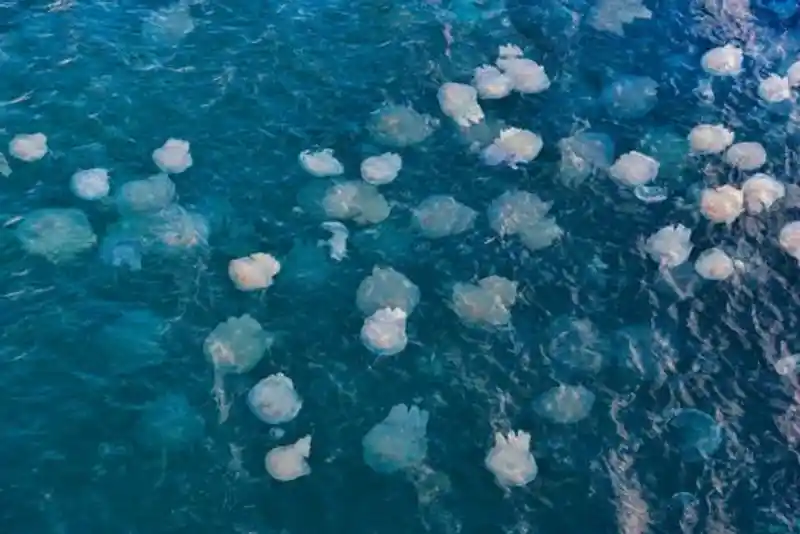
According to The Independent, two sources told CNN that this drone formation might have enabled Iran to successfully target the F-15E. This implies the tactic was not merely for show but a functional element of the engagement. The advanced coordination required for such a swarm points to significant advancements in Iran’s drone technology and operational planning.
Retired Air Force Col. Cedric Leighton provided analysis on these new drone tactics. He discussed Iran’s deployment of this “jellyfish-like” formation. His insights were featured on CNN’s Situation Room. Leighton’s expertise suggests a strategic intent behind the observed drone behavior. This analysis is crucial for understanding the implications for future defense strategies.
Pilot’s Account and Intelligence Debriefing
The U.S. pilot’s testimony during his debriefing provided critical intelligence. He vividly described the interconnected drones moving in unison. This visual description was key to identifying the unique formation. The report from The Independent further details the pilot’s account. He noted the main drones with smaller ones beneath them, creating the jellyfish analogy.
The F-15E Strike Eagle, valued at $31 million, was the aircraft involved. Its downing on April 3rd triggered an extensive search operation. The pilot managed to hold out in the mountains for several hours before his dramatic rescue. This harrowing experience included witnessing an unprecedented drone tactic. The pilot’s survival and subsequent detailed report are invaluable to U.S. intelligence.
As reported by Times of Israel, initial reports also suggest the drone formation was instrumental in bringing down the fighter jet. Multiple sources corroborated this assessment with CNN. This consistent reporting from different outlets strengthens the credibility of the pilot’s account and the analysis of the event.
Implications for Drone Warfare and Future Conflicts
The “jellyfish” drone formation signals a potential paradigm shift in unmanned aerial combat. It demonstrates an ability to deploy drones not as single units but as a cohesive, dynamic force. This networked approach could significantly enhance offensive capabilities. It also poses new challenges for electronic warfare and air defense systems.
Military analysts are closely examining this development. The coordinated swarm tactic could be adapted for various missions. These might include surveillance, electronic jamming, or direct attack. The adaptability of drone technology is constantly pushing the boundaries of warfare. This incident underscores the need for continuous innovation in counter-drone measures.
The incident raises important questions about the future of military engagements. As drone technology advances, so too will the tactics employed by nations. Understanding these evolving strategies is crucial for maintaining strategic advantage and ensuring national security. The “jellyfish” formation is a stark reminder of the rapid pace of innovation in the defense industry.