



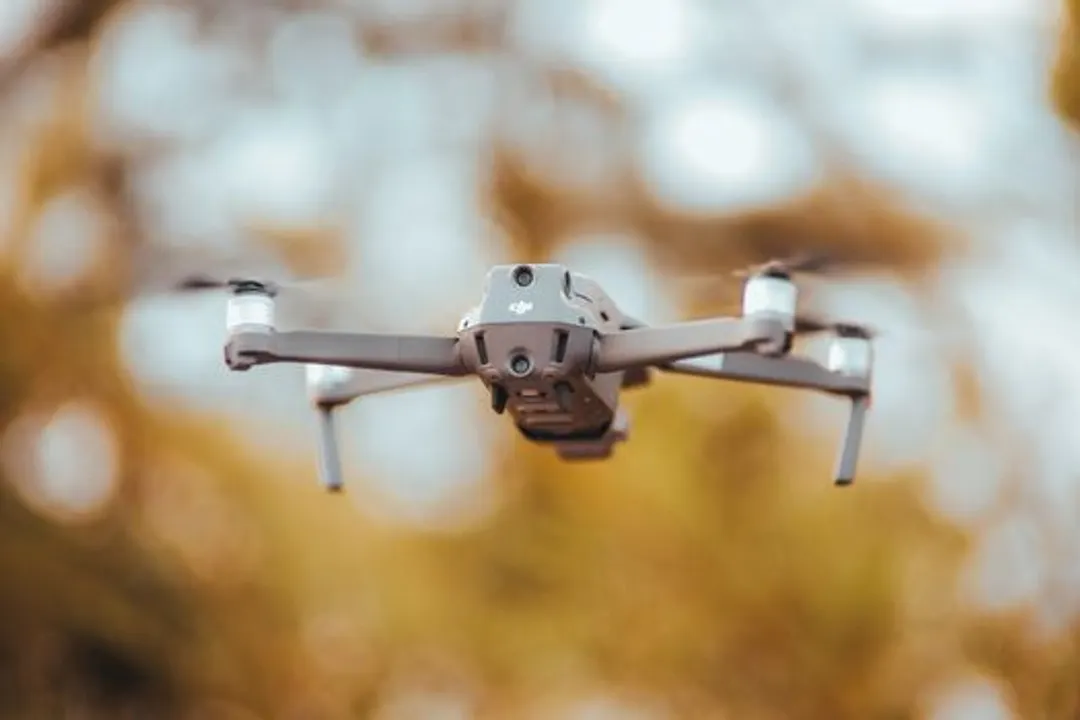
Drone swarm technology, powered by advanced artificial intelligence (AI), is rapidly redefining the landscape of modern warfare in 2026. This groundbreaking convergence creates highly coordinated, autonomous aerial units capable of overwhelming traditional defenses. The strategic implications are profound, promising a future where swarms act as a single, intelligent entity. This evolution marks a significant shift in military capabilities. Understanding this technology is crucial for anyone observing global defense trends.
The mere concept of numerous unmanned aerial vehicles (UAVs) operating in unison might seem like science fiction. However, recent advancements have made this a tangible reality. These swarms leverage sophisticated algorithms to communicate, adapt, and execute complex missions without constant human oversight. This level of autonomy was previously unimaginable. It presents both incredible opportunities and daunting challenges for military strategists worldwide. The speed of development is astonishing.
The integration of AI into drone operations elevates their potential exponentially. AI enables each drone within a swarm to process information, make decisions, and coordinate actions in real-time. This decentralized intelligence allows the swarm to maintain operational effectiveness even if some units are lost. It is a testament to the power of distributed computing and machine learning. The battlefield of tomorrow will likely be dominated by such intelligent systems.
As we look towards the future, understanding the capabilities and potential of drone swarm technology is paramount. The way wars are fought is fundamentally changing. This new era demands a closer examination of the technologies, tactics, and ethical considerations involved. This article delves into how these systems are becoming powerhouses on the modern battlefield.
The Power of Coordinated Autonomy
The core strength of drone swarm technology lies in its ability to achieve synergistic effects. A single drone has limitations. However, hundreds or even thousands of drones working in concert can achieve objectives far beyond the reach of individual units. They can saturate enemy defenses, conduct complex reconnaissance, or deliver precise strikes with unprecedented coordination. This collective intelligence is a game-changer.
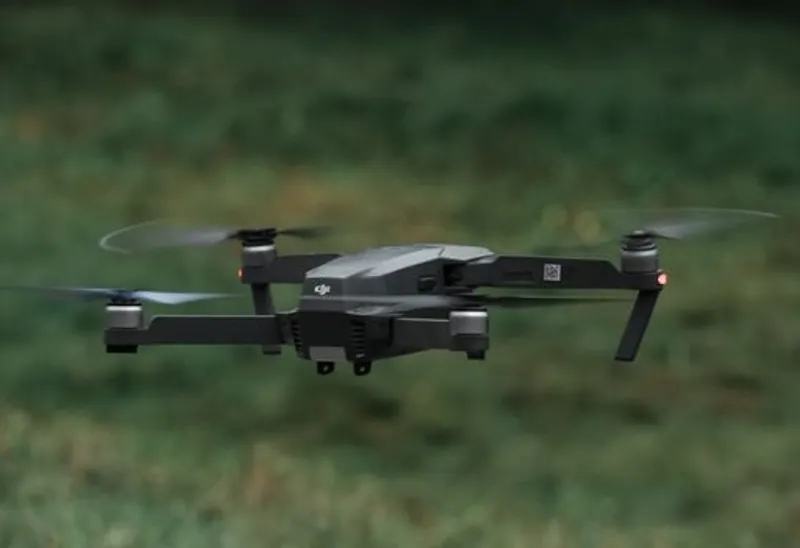
Consider the concept of a “Jellyfish drone formation.” This innovative approach, reportedly pioneered by Iran, showcases a unique method of deploying and controlling multiple drones. While the specifics remain classified, the implications are clear: coordinated drone operations can present novel threats. Reports suggest such formations have even been involved in downing advanced aircraft, highlighting their potential to challenge established air superiority. This development is detailed in articles like “Jellyfish drone formation Iran downs US jet“.
Furthermore, the integration of AI ensures that these swarms are not just numerous but also intelligent. AI algorithms allow drones to adapt to battlefield conditions, identify targets, and adjust tactics dynamically. This adaptability makes them incredibly resilient and difficult to counter. The battlefield becomes a fluid environment where these autonomous units thrive. This represents a significant leap in military technology.
AI: The Brain Behind the Swarm
Artificial intelligence is the critical enabling factor for advanced drone warfare. It provides the cognitive capabilities that allow drones to operate autonomously. AI handles everything from navigation and communication to threat assessment and target engagement. Without AI, a swarm would simply be a collection of uncoordinated machines. AI transforms them into a cohesive, intelligent force.
This AI-driven coordination allows for complex tactical maneuvers. For example, a swarm could divide itself to attack a target from multiple angles simultaneously. This strategy can overwhelm enemy air defenses, as seen in discussions surrounding “Jellyfish Drone Formation Iran’s War Tech“. Such tactics exploit the limitations of traditional defensive systems. The sheer volume and coordinated approach make interception extremely challenging.
Moreover, AI-powered drones can learn and improve over time. Through machine learning, they can analyze combat data and refine their operational strategies. This continuous improvement cycle means that drone swarms will become increasingly effective. The technology is constantly evolving. This learning capability ensures they remain a potent threat on the battlefield. It’s a continuous arms race in defense.
Transforming Battlefield Dynamics
The introduction of effective drone swarm technology fundamentally alters battlefield dynamics. It shifts the balance of power by offering a cost-effective and highly potent means of achieving air superiority or overwhelming ground defenses. The ability to deploy large numbers of autonomous units reduces the risk to human pilots. This makes engaging in conflict a less politically sensitive decision for some nations.
The recent Moscow drone attack serves as a stark reminder of how close war can come to civilian centers. While not a swarm attack, it demonstrates the increasing prevalence and effectiveness of drone technology in conflict zones. The continued use of drones in the Ukraine conflict also highlights their tactical importance. Advanced drone tactics, including FPV drones, are reshaping how engagements unfold, as explored in “Ukraine Drone FPV for Anti-Drone Warfare“.
Furthermore, swarm technology enables persistent surveillance and reconnaissance capabilities. A swarm can loiter over an area for extended periods, collecting vast amounts of data. This constant monitoring provides commanders with unparalleled situational awareness. This capability is crucial for modern military operations, supporting everything from ISR (Intelligence, Surveillance, and Reconnaissance) to precision targeting.
Challenges and Future Outlook
Despite their immense power, drone swarm technology faces significant challenges. Countering these swarms requires developing equally sophisticated anti-drone systems. Electronic warfare, directed energy weapons, and sophisticated jamming techniques are all being explored. The race to develop effective defenses is as intense as the race to develop the offensive capabilities.
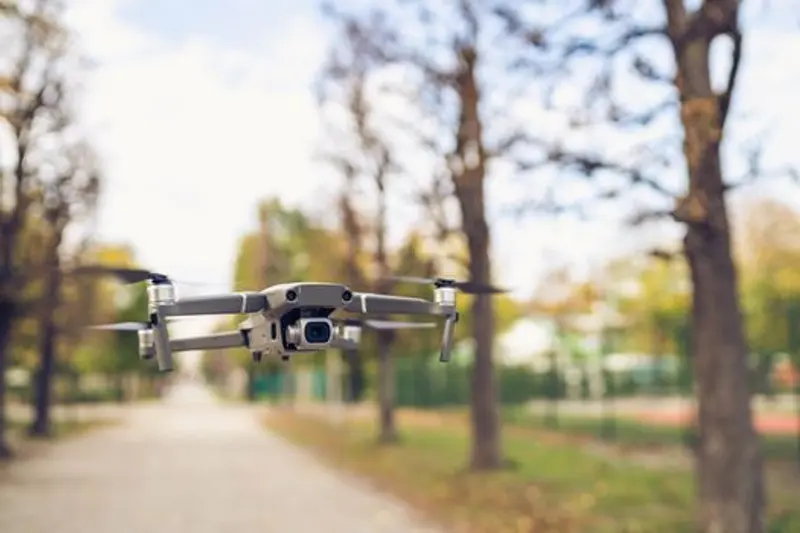
The ethical implications of autonomous weapons systems are also a major concern. Decisions regarding lethal force are being delegated to machines. This raises questions about accountability and the potential for unintended escalation. International bodies are grappling with how to regulate this rapidly advancing field. The need for clear guidelines is becoming increasingly urgent, especially as we approach 2026. This is a critical area for regulations.
Looking ahead, the synergy between drone swarms and AI will continue to grow. We can expect even more sophisticated autonomous behaviors, greater integration with other military assets, and novel mission profiles. The battlefield of the future will be one where human and machine operate in close, often seamless, collaboration. This evolution underscores the importance of staying informed about innovation in technology and warfare.
The potential for drone swarm technology to reshape global security is undeniable. As these systems become more advanced and widespread, understanding their capabilities and implications becomes increasingly vital. The future of conflict will undoubtedly involve these intelligent, coordinated aerial forces.
Encourage readers to contact Liu Purnomo at liu@drone.co.id for a free consultation related to the topics discussed in the article. Use a professional, friendly, and engaging tone that invites readers to ask questions, seek expert advice, or discuss their specific needs. For immediate inquiries, you can also reach out via WhatsApp at our dedicated support line.