




Russia Ukraine peace talks have remained a complex and elusive pursuit since the full-scale invasion in February 2022. Despite numerous attempts and proposals, direct negotiations have repeatedly stalled due to fundamental disagreements on core issues. The path to a lasting settlement is fraught with obstacles, with both nations holding firm on their respective positions, making any immediate breakthrough appear unlikely.
The history of these discussions is marked by periods of intense engagement followed by prolonged silence. Initial talks, which occurred in the early stages of the conflict, showed some promise but ultimately failed to yield a breakthrough. As reported by The New York Times, these early exchanges represented the only known occasions when Ukrainian and Russian officials directly participated in peace discussions. However, both sides became entrenched in their stances, leading to the cessation of these direct dialogues.
The complexity of the situation is further underscored by the differing perspectives on what constitutes a viable peace agreement. Russia has frequently articulated its readiness for negotiations, but often with stringent conditions that Ukraine finds unacceptable. President Putin, for instance, has indicated Russia’s willingness to engage in peace talks, but these statements are typically accompanied by tough prerequisites that escalate the conflict rather than de-escalate it, as noted by WION.
Furthermore, external factors and events on the ground have significantly impacted the trajectory of peace efforts. The discovery of atrocities, such as the Bucha massacre, cast a dark shadow over any potential for trust-building and reconciliation. These grim discoveries have fueled doubts about Russia’s sincerity and have hardened Ukraine’s resolve, making concessions even more difficult to contemplate. Consequently, the pursuit of a peaceful resolution continues to be a challenging endeavor, with both sides navigating a minefield of political, territorial, and security concerns.
Early Negotiations and Subsequent Stalemates
The initial phase of the conflict saw a flurry of diplomatic activity aimed at de-escalating the situation. Ukrainian and Russian officials agreed to convene for talks at a location on the Belarusian border, a meeting coordinated by President [Name Not Specified in Source] of Belarus, as detailed in reports from the Cambridge Initiative on Peace Settlements. These early discussions were crucial as they represented the first direct engagement between the two warring parties since the invasion began.
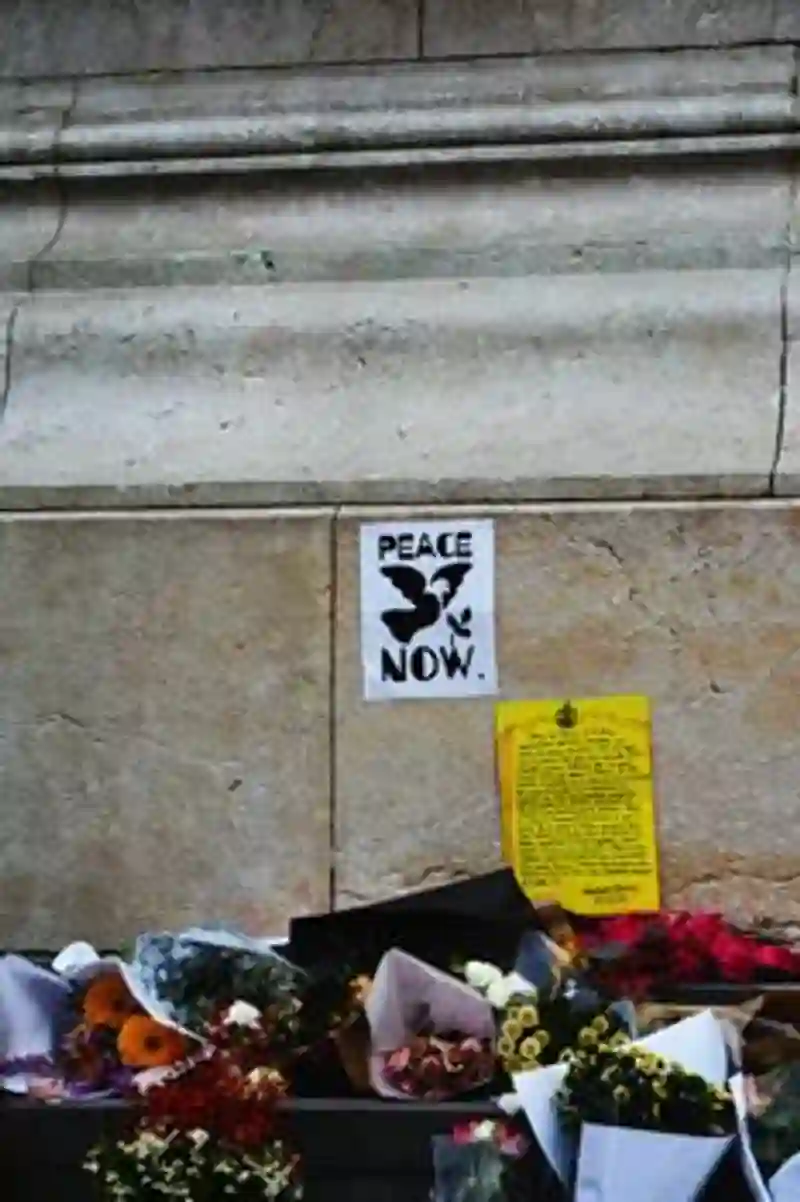
However, these promising beginnings were short-lived. The negotiations faltered as fundamental differences emerged regarding key aspects of a potential peace deal. According to Wikipedia, a significant sticking point was Russia’s insistence on a veto power over Ukraine’s defense capabilities. This demand was perceived by Ukraine as an unacceptable infringement on its sovereignty and security autonomy.
Adding to the growing chasm were profound doubts about Russia’s genuine commitment to a peaceful resolution. The alleged atrocities committed during the occupation of areas like Bucha severely eroded any nascent trust. The revelations from Bucha, in particular, served as a stark reminder of the brutality of the conflict, making it exceedingly difficult for Ukraine to engage in good-faith negotiations with a party it viewed as responsible for such heinous acts. This lack of trust, coupled with Russia’s unyielding demands, led to the eventual halt of these early peace talks.
The Istanbul Talks and Lingering Disagreements
A significant chapter in the Russia Ukraine peace talks narrative unfolded in Istanbul, Turkey. Throughout 2022, multiple rounds of discussions were held in the city, marking a period of renewed diplomatic engagement. As reported by Anadolu Agency, three rounds of these crucial talks took place on May 16, June 2, and July 23, 2022. These sessions were significant as they produced major proposals that, at the time, offered a glimmer of hope for a potential ceasefire and a framework for peace.

The Istanbul talks were particularly noteworthy for the comprehensive nature of the proposals discussed. Both sides presented frameworks that aimed to address core security concerns and territorial issues. However, despite the detailed nature of these discussions and the significant progress made in drafting potential agreements, a final accord remained elusive. The core disagreements that plagued earlier negotiations resurfaced, preventing the solidification of any mutually acceptable terms.
Ultimately, the momentum generated in Istanbul could not be sustained. The failure to reach a conclusive agreement can be attributed to a combination of factors, including the ongoing military operations on the ground and the persistent divergence in political objectives. While the Istanbul agreements represented a significant diplomatic effort, they ultimately did not bridge the fundamental divide between Russia and Ukraine, leading to the suspension of these high-level negotiations.
Persistent Conditions and the Role of External Actors
Even as direct talks have stalled, the possibility of future negotiations remains a topic of discussion, albeit often framed by stringent conditions. President Putin has repeatedly stated Russia’s readiness for peace talks, but these pronouncements are invariably linked to specific prerequisites. As mentioned by Anadolu Agency, Russia’s current stance often refers back to the initial Istanbul agreements as a potential basis for renewed dialogue. However, the interpretation and implementation of these past proposals remain a point of contention.

The geopolitical landscape surrounding the conflict also plays a crucial role in shaping the dynamics of peace talks. The involvement of external actors, including the United States and other international powers, adds layers of complexity. Russia has, at times, accused the U.S. of no longer maintaining neutrality in the context of Ukraine peace talks, suggesting external influence is a significant factor. This perception highlights the intricate web of international relations that impacts the prospects for mediation and negotiation.
Moreover, developments such as drone attacks, both within Russia and Ukraine, underscore the continuing intensity of the conflict and the challenges to achieving a stable ceasefire. Incidents like the Moscow drone attack serve as stark reminders that the war remains active and volatile, making the environment for diplomatic breakthroughs increasingly difficult. The ongoing military actions and the complex interplay of international interests mean that any future Russia Ukraine peace talks will likely unfold within a highly charged and challenging context.
The Path Forward: Challenges and Potential Avenues
The road to peace between Russia and Ukraine is undeniably arduous, characterized by deep-seated mistrust and conflicting strategic objectives. As evidenced by the historical attempts at negotiation, including the significant but ultimately unsuccessful rounds in Istanbul, bridging the divide requires more than just dialogue. It necessitates a fundamental shift in the underlying dynamics of the conflict and a willingness from both sides to compromise on core issues that have proven to be intractable.

The current environment, marked by continued military engagements and complex international politics, presents significant hurdles. The lack of a neutral ground for discussion, coupled with accusations of external interference, further complicates mediation efforts. Without a genuine commitment from both parties to de-escalate and a clear framework for addressing security guarantees and territorial integrity, any future peace talks risk following the same pattern of initial engagement followed by a return to stalemate.
Despite these formidable challenges, the pursuit of peace remains a critical objective. Exploring alternative avenues for dialogue, potentially through multilateral forums or involving a broader coalition of mediators, might offer new possibilities. Furthermore, focusing on de-escalation measures and confidence-building initiatives, even outside formal peace talks, could create a more conducive atmosphere for eventual negotiations. The ongoing global interest in conflict resolution, exemplified by discussions on advanced technologies like the Jellyfish drone formation and its implications for defense strategies, also highlights the ever-evolving nature of warfare and the persistent need for diplomatic solutions.