



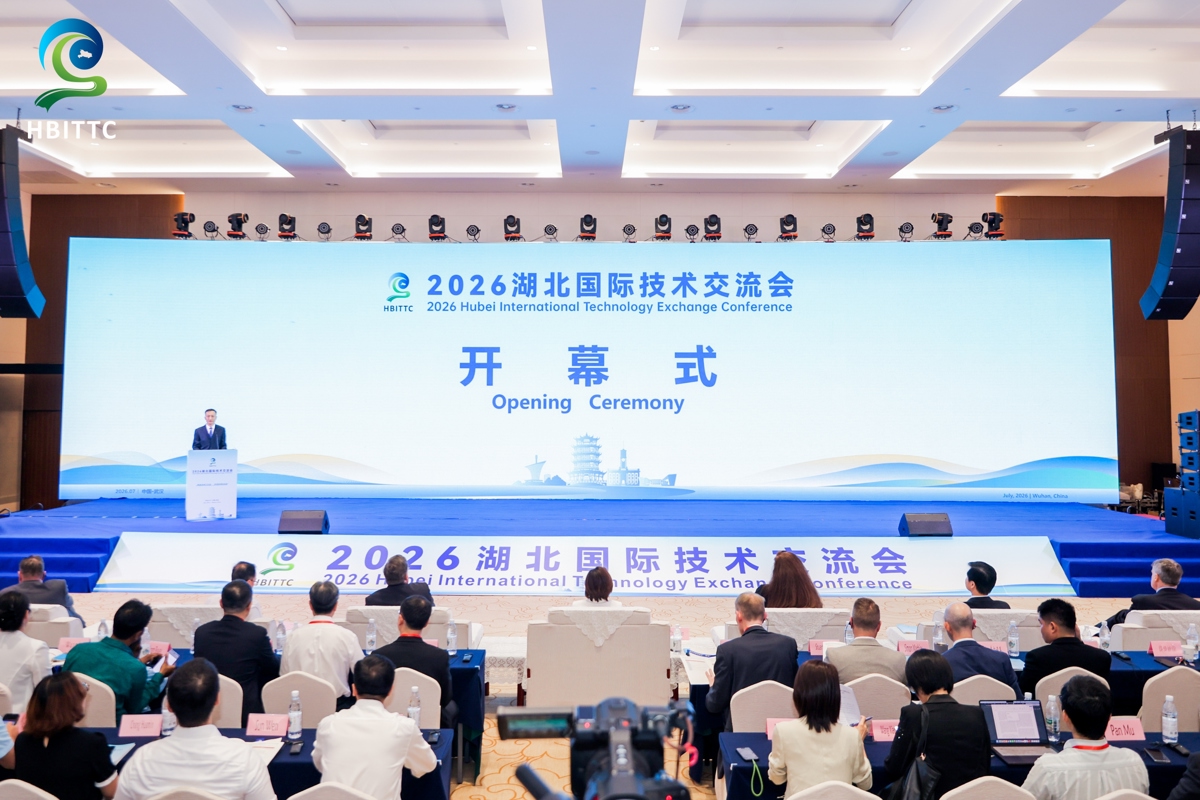
The 2026 Hubei International Technology Exchange Conference is set to convene in Wuhan, China, fostering a crucial platform for global scientific and technological collaboration. This prominent event, organized by the Hubei Provincial Department of Science and Technology, aims to unite innovators and researchers from across the globe. The conference theme, “Jingchu Innovation Converges Globally, Open Collaboration for the Future,” underscores its commitment to bridging international divides and driving future advancements. This gathering promises to be a significant milestone in promoting open dialogue and strategic partnerships within the rapidly evolving technological landscape.
Wuhan, a vibrant hub of innovation, will serve as the central location for this significant exchange. The event will feature a diverse array of participants, including over 60 representatives from more than 10 countries and regions. These international delegates will join hundreds of domestic experts from leading universities and prominent corporations. This diverse participation highlights the conference’s broad scope and its ambition to address multifaceted technological challenges through collective expertise. The focus on precise industrial alignment ensures that discussions translate into tangible outcomes and collaborative projects.
The conference agenda is designed to facilitate in-depth discussions and knowledge sharing across various critical sectors. Key areas of focus will likely include advancements in artificial intelligence, cutting-edge educational technologies, and sustainable solutions for urban water environments. Such a comprehensive approach ensures that the event caters to a wide spectrum of scientific interests, promoting interdisciplinary innovation. The high standard of the event and its extensive international participation signal its growing importance in the global technology exchange calendar.
Moreover, the 2026 Hubei International Technology Exchange Conference is not an isolated event but part of a broader trend of international collaboration and knowledge sharing happening in Hubei province. Several other significant academic and technological conferences are scheduled to take place in Wuhan and other parts of Hubei in 2026. These include forums on intelligent design and computing, educational technology, and urban water environments, all contributing to Hubei’s growing reputation as a center for technological discourse and innovation. This clustering of events amplifies the province’s impact on the global scientific community.
Global Collaboration and Innovation Hub
The 2026 Hubei International Technology Exchange Conference, organized by the Hubei Provincial Department of Science and Technology, is a testament to the province’s dedication to fostering international scientific cooperation. As reported by Baidu Baike, the event convened in Wuhan on July 2, 2026, with the central theme “Jingchu Innovation Converges Globally, Open Collaboration for the Future.” This theme clearly articulates the conference’s core objective: to bring together global innovators and foster an environment of open collaboration for future technological advancements. The event’s high standard and extensive international participation underscore its significance in the global technology exchange landscape.
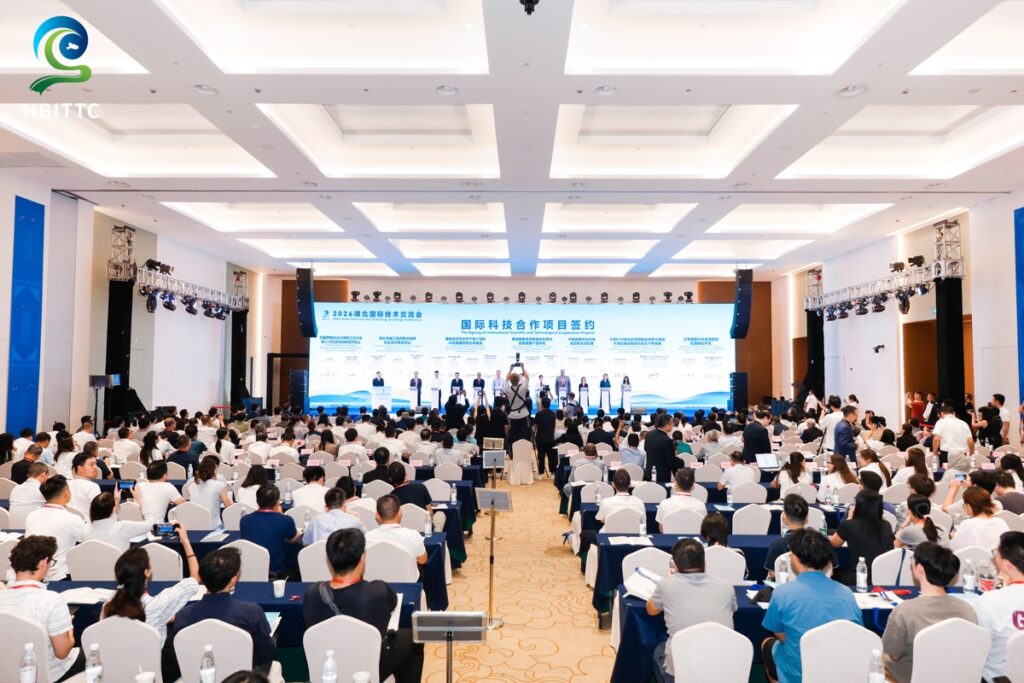
The conference successfully attracted over 60 representatives from more than 10 countries and regions, including the United Kingdom, France, South Korea, Japan, Israel, Malaysia, Bangladesh, Saudi Arabia, Thailand, and Hungary, alongside participants from Hong Kong. This diverse international contingent signifies the global reach and appeal of Hubei’s technological initiatives. Furthermore, more than 300 representatives from prominent Chinese universities such as Huazhong University of Science and Technology, China University of Geosciences (Wuhan), and Wuhan University of Science and Technology participated. Leading enterprises, including Dongfeng Motor Corporation and China National Pharmaceutical Group (Sinopharm), also contributed their expertise, ensuring a robust exchange between academia and industry.
The organization, led by the Hubei Provincial Center for International Science and Technology Exchange, ensured precise industrial alignment, facilitating focused discussions and potential collaborations. This strategic approach aims to translate innovative ideas into practical applications and strengthen the ties between research institutions and industrial players. Such focused collaboration is essential for driving economic growth and addressing complex global challenges through technological solutions. The event’s emphasis on bridging the gap between theoretical research and industrial implementation is a key factor in its success.
Synergistic Events in Wuhan and Hubei
The 2026 Hubei International Technology Exchange Conference is part of a larger ecosystem of technological and academic events taking place in Wuhan and across Hubei province in 2026. One such event is the 2026 International Conference on Intelligent Design and Computing (IC-IDC 2026), scheduled to be held in Wuhan from May 15 to 17, 2026. As detailed on AIScholar, this conference aims to create a high-level international academic exchange and cooperation platform for experts in intelligent design and computing technology. It focuses on cutting-edge research, development trends, and industrial applications, promoting the sharing of scientific achievements and the integration of industry, university, and research sectors.
Another significant gathering is the 6th International Conference on Educational Technology (ICET 2026), hosted in Wuhan from October 23-26, 2026. According to ICET, this conference centers on “The Digital and Intelligent Transformation of Education: Reimagining Human-Centric and Inclusive Learning Ecosystems.” Organized by South-Central Minzu University and supported by several other prominent universities, ICET 2026 serves as a pivotal platform for advancing dialogue on educational technology. This event highlights the growing importance of integrating data intelligence and innovative pedagogical approaches within the education sector, a crucial area for future development.
Furthermore, the 2026 (8th) Conference on Urban Water Environment and Ecology, coupled with the 4th Three Gorges Symposium on Environmental Technology, also took place, as noted by China Daily. While the specific date mentioned is May 20, this event underscores Hubei’s commitment to addressing critical environmental challenges through technological innovation. These concurrent conferences collectively paint a picture of Hubei province as a dynamic center for technological discourse, attracting global attention and fostering collaborations across diverse scientific fields. Such a concentration of events is vital for accelerating innovation and promoting sustainable development.
Hubei University of Arts and Science Hosts Key Symposiums
Beyond the major events in Wuhan, the Hubei Province also serves as a host for specialized academic gatherings. The International Symposium on Smart Systems and Service Robotics (ISSSR 2026) is scheduled to be held at the Hubei University of Arts and Science (HBUAS) in Xiangyang, Hubei Province. As indicated by the conference venue information, HBUAS is a comprehensive public university recognized for its role as a regional center for higher education and academic exchange, affiliated with the Hubei Provincial Government.
HBUAS provides a conducive environment for scholarly pursuits, boasting modern academic facilities essential for conferences and collaborative research. The campus includes multimedia classrooms, advanced research laboratories, extensive libraries, and vibrant student activity spaces, all designed to encourage innovation and communication among scholars and students. This setting in Xiangyang, a city with a rich history and strategic location in northwestern Hubei, offers a unique blend of cultural heritage and academic vibrancy, making it an attractive destination for international visitors.
The university’s location near the historic Longzhong area, the former residence of Zhuge Liang, adds a cultural dimension to the academic experience. The campus is situated in a pleasant environment surrounded by natural scenery and cultural landmarks, further enhancing its appeal. HBUAS’s commitment to fostering a welcoming academic community and its well-equipped facilities ensure that events like ISSSR 2026 are productive and enriching for all participants. This initiative by HBUAS demonstrates the province’s commitment to decentralizing academic engagement and leveraging its diverse geographical and cultural assets.
The convergence of these varied technological and academic conferences across Hubei in 2026 highlights a strategic effort to position the province as a leading destination for international scientific exchange and innovation. From the broad scope of the Hubei International Technology Exchange Conference in Wuhan to specialized symposiums in Xiangyang, the province is actively cultivating an environment where global minds can connect, collaborate, and drive progress. This multifaceted approach to fostering technological dialogue is crucial for addressing the complex challenges of the 21st century, from the advancements in AI and its potential impact on warfare, as seen in discussions around Ukraine drone FPV for anti-drone warfare and drone swarm technology and AI, to the critical need for sustainable urban development and cutting-edge educational practices. The province’s commitment to these areas, supported by infrastructure like that at HBUAS, positions it as a key player in the global innovation landscape, mirroring the market dominance seen with companies like DJI and the evolving regulatory frameworks such as those in Indonesia regarding airspace management. The ongoing efforts for peace talks, such as those between Russia and Ukraine, also underscore the global context in which technological advancements are developed and deployed, making events like these even more critical for fostering understanding and shared progress.