



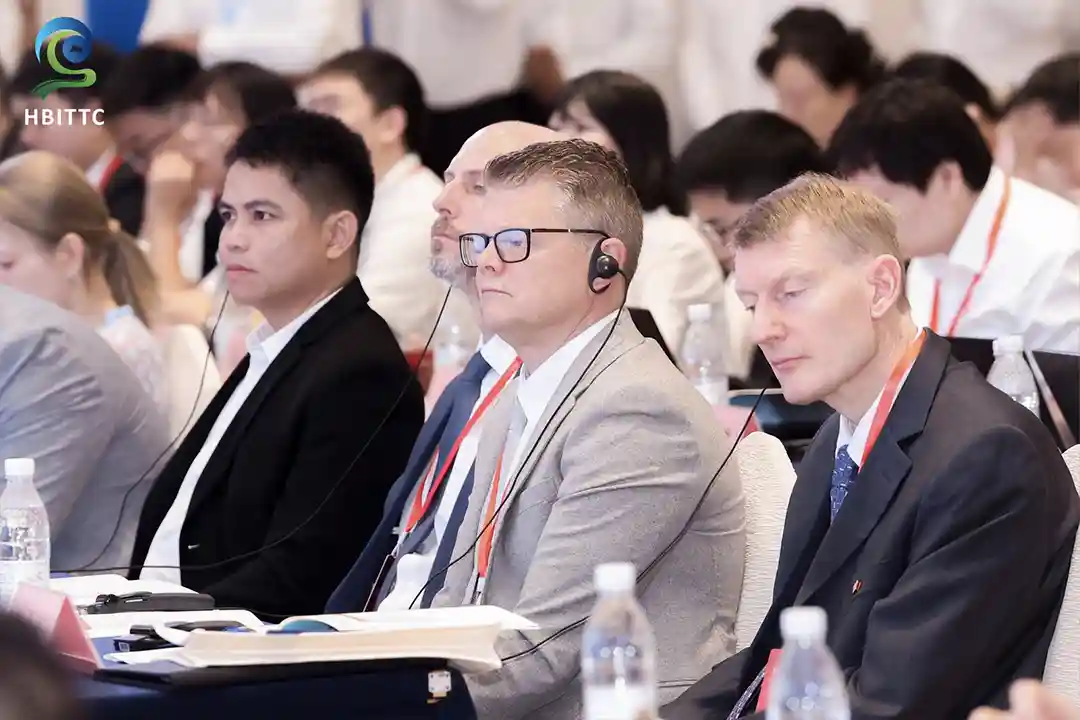
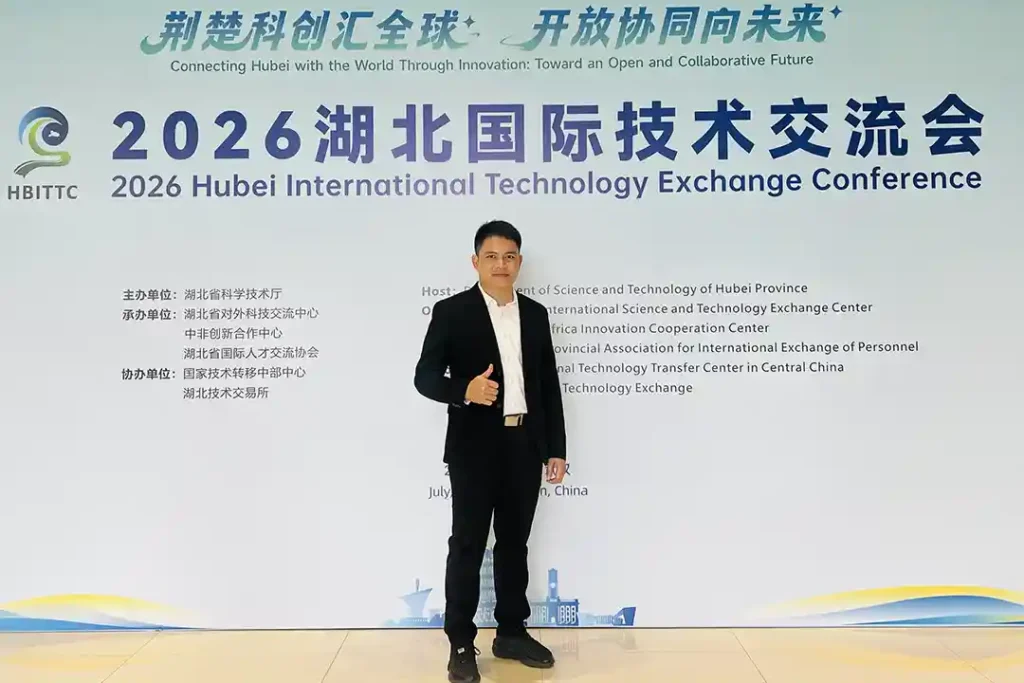
WUHAN, China — July 2, 2026 — Liu Purnomo, President Director of PT Remote Pilot Indonesia, was among more than 40 international delegates attending the 2026 Hubei International Technology Exchange Conference, which commenced today at the Conference Center of the Hongshan Building in Wuhan, the capital of central China’s Hubei Province. The event facilitated 21 project cooperation agreements across various sectors, including drone education.
Mr. Purnomo’s attendance followed a formal invitation from the conference’s Organizing Committee, acting on behalf of the Hubei Provincial Department of Science and Technology. The invitation, issued in June 2026, sought to “share new opportunities for high-quality development in Hubei, and jointly create a new chapter for international scientific and technological cooperation.”
Global Collaboration and Project Agreements
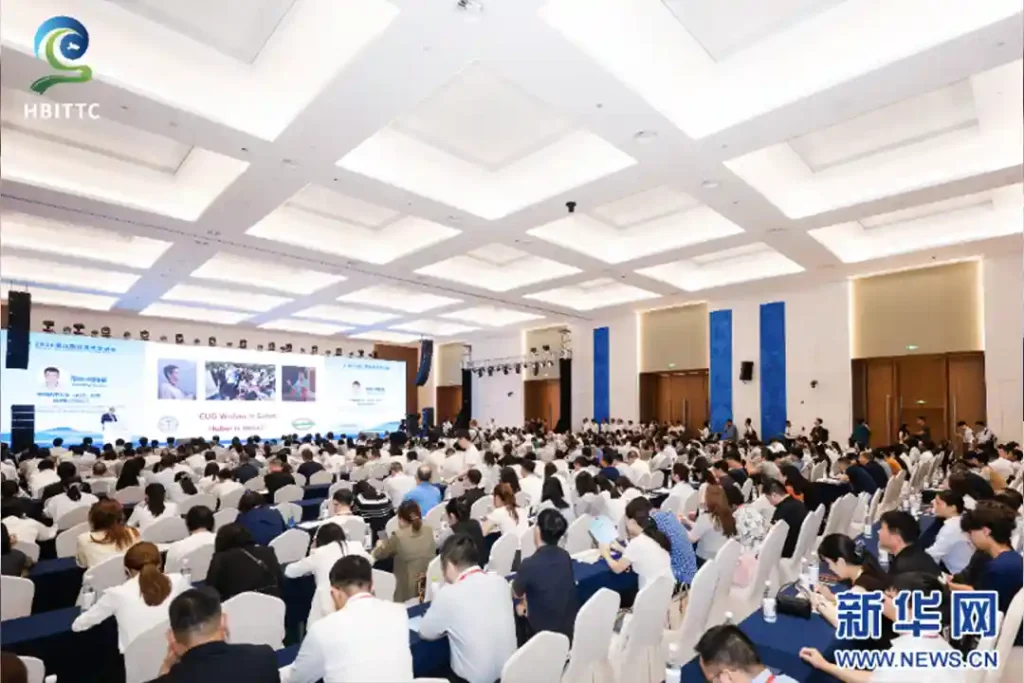
The conference, themed “Connecting Hubei with the World Through Innovation: Toward an Open and Collaborative Future,” was hosted by the Hubei Provincial Department of Science and Technology and organized by the Hubei Center for International Science and Technology Exchange. Reports from Xinhua and Science and Technology Daily indicate that the gathering attracted delegates from over ten countries and regions, including the United Kingdom, South Korea, Saudi Arabia, and Bangladesh. More than 260 representatives from prominent Chinese institutions, such as Wuhan University and Dongfeng Motor Corporation, also participated.
A significant outcome of the conference was the signing of 21 project cooperation agreements by 40 organizations from over ten countries. These agreements span diverse fields, including artificial intelligence, traditional Chinese medicine research and development, digital health, biomanufacturing, and drone education. The inclusion of drone education is particularly relevant to PT Remote Pilot Indonesia, a Jakarta-based company specializing in remote pilot training and unmanned aviation. The company focuses on developing skilled professionals for the growing drone industry, which aligns with the global emphasis on drone technology.
Focus on the Low-Altitude Economy
Unmanned aviation and the burgeoning low-altitude economy were central to the conference agenda. Following on-site registration on July 1, the full program on July 2 featured an opening ceremony and seven specialized sessions. These sessions covered six key sectors: new energy, life and health, intelligent manufacturing, artificial intelligence, the low-altitude economy, and next-generation information technology. One notable session was the International Technology Exchange Conference on Promoting the Integrated Development of the Low-Altitude Economy and Industry Ecosystem.
The conference also included dedicated matchmaking sessions, such as those on green energy with the UK, traditional medicine with South Korea, medical technology with Israel, and 6G communications technology transfer. These sessions, structured with keynote reports, project roadshows, and face-to-face negotiations, aimed to foster collaboration and strengthen Hubei’s industrial chains by addressing technical barriers between Chinese and international partners. For more insights into the broader context of this event, readers can refer to our previous coverage on the Hubei International Technology Exchange Conference Gathers Global Innovators.
During the opening ceremony, two significant initiatives were launched: the English version of “Zhurong,” described as the world’s first large AI model specifically for the refractory materials sector, and the establishment of the Hubei 6G International Science and Technology Cooperation Industrial Alliance. This alliance was initiated by Wuhan University, Huazhong University of Science and Technology, the Hubei Technology Exchange, Hubei Luojia Laboratory, and other institutions.
A Decade of International Exchange

Zhang Lan, Deputy Director-General of the Hubei Provincial Department of Science and Technology, stated at the opening ceremony that Hubei intends to develop higher-level international cooperation platforms. This includes jointly establishing laboratories, research centers, and technology transfer centers with more countries and regions, as well as pursuing collaborative research in areas of global significance such as artificial intelligence, optoelectronics, and health.
This year marks the tenth consecutive edition of the Hubei International Technology Exchange Conference, which first launched in 2017. Over the past decade, the conference has hosted more than 100 high-level international exchange events, connecting over 900 top Chinese universities, research institutes, and leading enterprises with more than 400 foreign institutions from 54 countries, according to Xinhua. It has facilitated the matching of over 800 projects and resulted in nearly 190 high-quality cooperation intentions and more than 80 signed agreements.
For participants like Mr. Purnomo, the conference provides direct access to this expansive network, offering a strategic position as China’s low-altitude economy continues its rapid international expansion. This aligns with Indonesia’s growing interest in developing its own drone ecosystem, as discussed in Indonesia Drone Laws Navigating Aviation Rules. The education sector, particularly in remote pilot training, stands to benefit significantly from such international collaborations.