



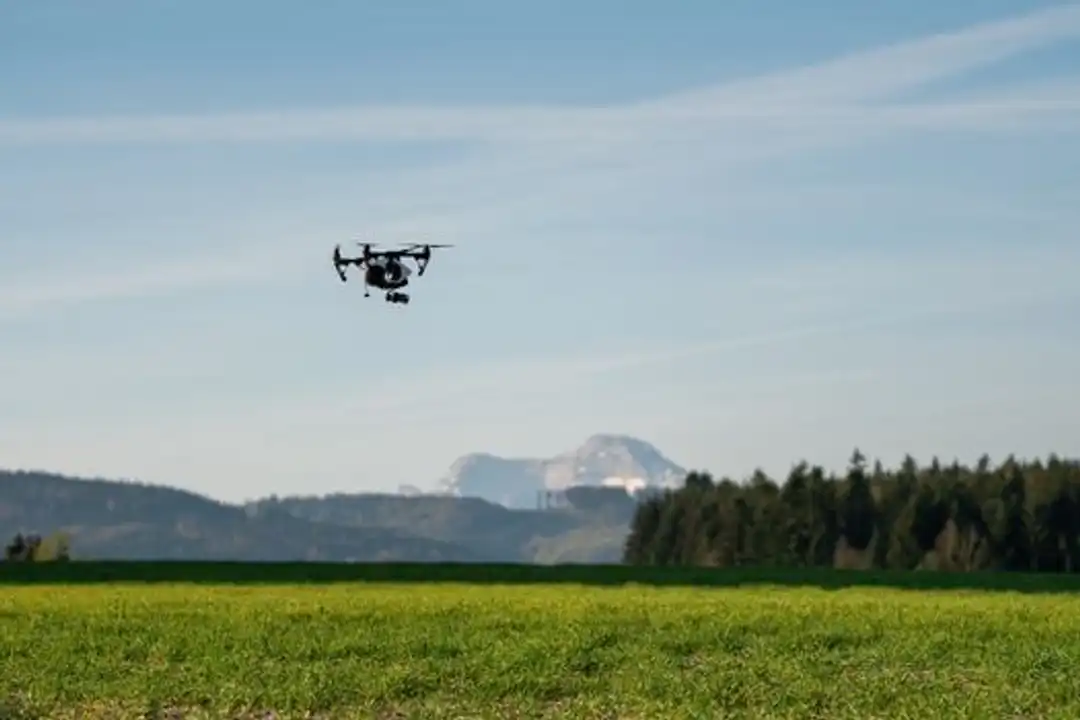
Washington commercial drone fees will rise tenfold starting on January 1, 2027, under a newly enacted state transportation package. Commercial uncrewed aircraft operators must pay $150 annually for every drone registered in the state. Consequently, enterprise fleet managers and independent remote pilots face steep operational cost adjustments across Washington.
According to DroneXL, the financial shift stems from Engrossed Substitute House Bill 2711. Governor Bob Ferguson signed the comprehensive transportation revenue measure into law on March 31. The statute effectively restructures state aviation funding mechanisms while altering tax liabilities for uncrewed systems.
The revised annual cost combines two distinct statutory charges on commercial uncrewed aircraft systems. First, the baseline aircraft registration fee increases from $15 to $30 per airframe. Second, lawmakers introduced a brand-new $120 aircraft excise tax specifically targeted at commercial unmanned aerial vehicles.
As reported by Reboot Hub, the legislation quietly replaced previous tax models while eliminating planned private luxury aircraft duties. Therefore, the state shifted revenue obligations directly toward uncrewed systems operating within commercial airspace sectors.
Breakdown of the New 2027 Fee Structure
The statutory changes modify two key chapters of the Revised Code of Washington. Under RCW 47.68.250 as amended, the general registration fee for every aircraft doubles to $30. Furthermore, RCW 82.48.030 establishes a dedicated $120 aircraft excise tax category for commercial uncrewed aircraft systems.
Combined, these line items bring total annual state fees to $150 per commercial aircraft in 2027. State legislative schedules also dictate an additional increase to $153 per unit in 2028. Because the statutes apply per aircraft, companies operating large fleets face substantial recurring annual overhead.
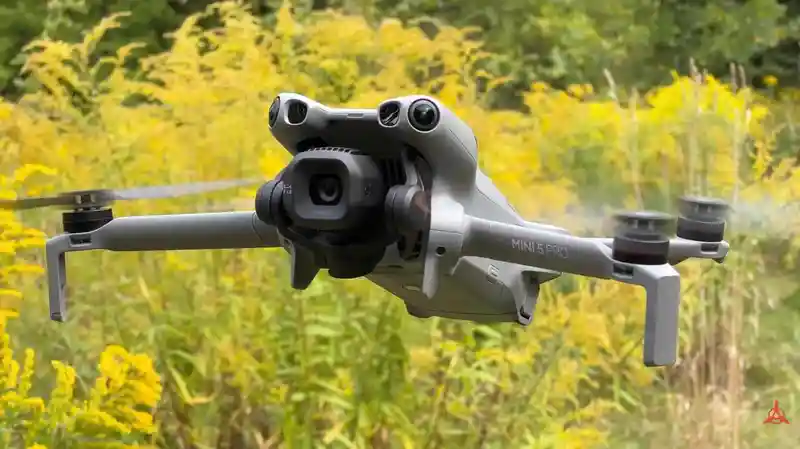
Currently, the Washington State Department of Transportation collects an annual fee of $15 per commercial drone. This system has operated smoothly through the state Secure Access Washington online portal since April 2022. However, the upcoming adjustment represents a 900 percent increase over the existing baseline charge.
The updated rules apply to any aircraft operating or based within Washington during a calendar year. As a result, businesses conducting aerial mapping, infrastructure inspection, or aerial media production must register every working unit. Hobbyist fliers remain exempt from these specific state commercial aviation surcharges.
Legislative Background and Luxury Jet Tax Repeal
The steep fee hike originated as part of a legislative compromise involving general aviation revenue. Lawmakers initially passed a 10 percent luxury tax on private aircraft valued above $500,000. However, ESHB 2711 repealed that luxury jet tax before it officially took effect across the state.
To offset the resulting revenue shortfall, budget planners expanded the scope of aircraft excise taxes. Consequently, legislators turned to the rapidly expanding commercial Industry for uncrewed aviation. This decision redistributed the state aviation tax burden onto emerging autonomous technology sectors.
Industry observers note that the regulatory change went largely unnoticed during initial legislative committee hearings. In fact, standard news outlets barely referenced the uncrewed aircraft clauses when covering the broader bill in March. The policy details emerged only when local drone program directors examined the statutory revisions.
Advocates for the drone sector argue that the sudden tenfold spike could discourage local technology adoption. Washington has historically fostered innovation in the Low-Altitude Economy Ecosystems Shaping Future Industries. Nevertheless, the newly enacted fees present unexpected financial hurdles for emerging enterprise service providers.
Impact on Commercial Operators and Fleet Management
The financial impact of the 2027 fee schedule varies significantly across different business models. Independent operators flying a single aircraft for real estate photography will see manageable budget shifts. Conversely, enterprise organizations running distributed utility inspection fleets will face major annual expenditure increases.
For example, a utility provider deploying 50 inspection drones will pay $7,500 annually in state registration fees. Previously, that same fleet required an annual outlay of only $750 under existing WSDOT administrative rates. Consequently, fleet managers must re-evaluate equipment deployment strategies and capital allocation plans.

The increase comes at a crucial moment for companies advancing advanced operations. Enterprise data programs, such as those analyzed in AirData’s Surge in Energy Sector Clients Points to Maturing BVLOS Landscape, rely heavily on scalable multi-drone deployments. Rising state taxes could slow fleet scaling across Pacific Northwest service territories.
Moreover, commercial drone operators already pay federal registration fees to the Federal Aviation Administration. Federal Part 107 rules mandate a $5 registration fee per aircraft every three years. The incoming Washington state fee structure vastly exceeds federal compliance expenses, making Washington among the costliest states for UAS fleets.
WSDOT Registration Mandates and Compliance Requirements
Washington state law mandates registration for anyone operating uncrewed aircraft for compensation or commercial hire. The WSDOT Aviation Division oversees the registration process to integrate emerging technologies into state airspace safely. According to WSDOT official guidance, collected revenues support uncrewed aviation infrastructure assessment and planning.
Remote pilots must maintain active records through their Secure Access Washington user accounts. Registrants submit aircraft serial numbers, remote pilot certificate details, and proof of commercial operations. In addition, pilots must renew their aircraft credentials every calendar year to remain compliant with state law.
State aviation officials emphasize that compliance ensures seamless integration with traditional crewed aviation traffic. Washington hosts extensive aerospace operations, ranging from commercial airports to innovative flight demonstrations. Clear registration registries help authorities track commercial airspace utilization across regional economic corridors.
Commercial operators have until January 1, 2027, to prepare their balance sheets for the incoming taxes. Until that date, the standard $15 annual registration fee remains fully in effect for all operators. Industry associations are expected to monitor legislative sessions closely for any proposed technical corrections or fee adjustments.