



Low-Altitude Economy Ecosystems are rapidly transforming industries in 2026. This dynamic sector leverages advanced technology. It unlocks unprecedented opportunities for growth and innovation. Understanding these ecosystems is crucial for businesses and policymakers alike. They will shape our future in profound ways. This article explores their current state and future potential.
The integration of unmanned aerial vehicles (UAVs) forms the backbone of this new economy. These advanced systems move beyond simple aerial photography. They are becoming integral to logistics, surveillance, and even public safety. The rapid evolution of drone technology drives this expansion. It pushes the boundaries of what’s possible in our airspace.
Moreover, regulatory frameworks are evolving to support this growth. Governments worldwide are recognizing the economic benefits. They are also addressing the inherent safety and security challenges. This delicate balance is key to fostering a sustainable and thriving low-altitude economy.
The year 2026 marks a significant inflection point. We see widespread adoption of drone technology. This adoption spans various sectors. From agriculture to urban mobility, the impact is undeniable. Let’s delve into the components that define these vital ecosystems.
The Pillars of the Low-Altitude Economy
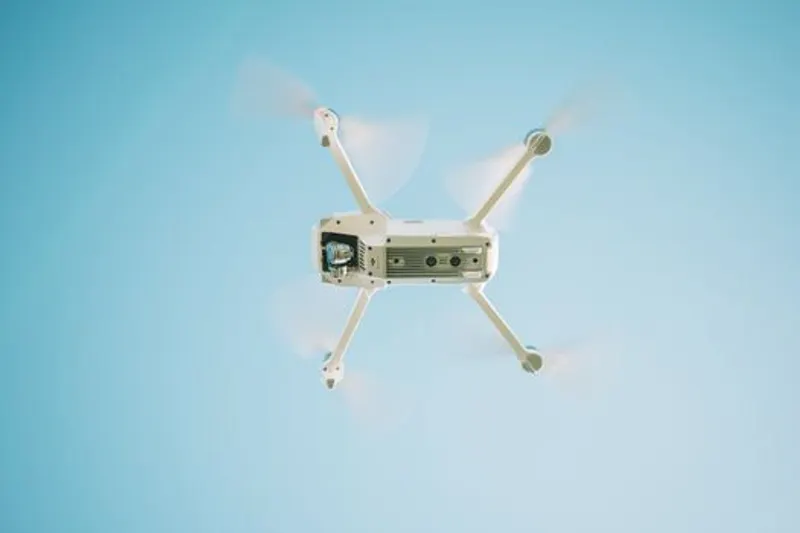
At its core, the Low-Altitude Economy Ecosystem relies on several key pillars. These include advanced drone technology, sophisticated data analytics, and robust infrastructure. The dominance of manufacturers like DJI highlights the technological advancements. They provide the hardware that makes these operations possible.
Furthermore, artificial intelligence (AI) plays a pivotal role. AI algorithms process the vast amounts of data collected by drones. This transforms raw information into actionable insights. Drone swarm technology and AI are revolutionizing warfare. They also enhance civilian applications significantly.
The development of dedicated infrastructure is also essential. This includes vertiports for drone take-off and landing. It also encompasses robust communication networks. These elements ensure efficient and safe operations within the low-altitude airspace.
Key Sectors Driving Adoption
Several sectors are leading the charge in adopting low-altitude economy solutions. Logistics and delivery services are experiencing a revolution. Companies are exploring drone cargo for remote regions. This overcomes geographical barriers and improves delivery times.
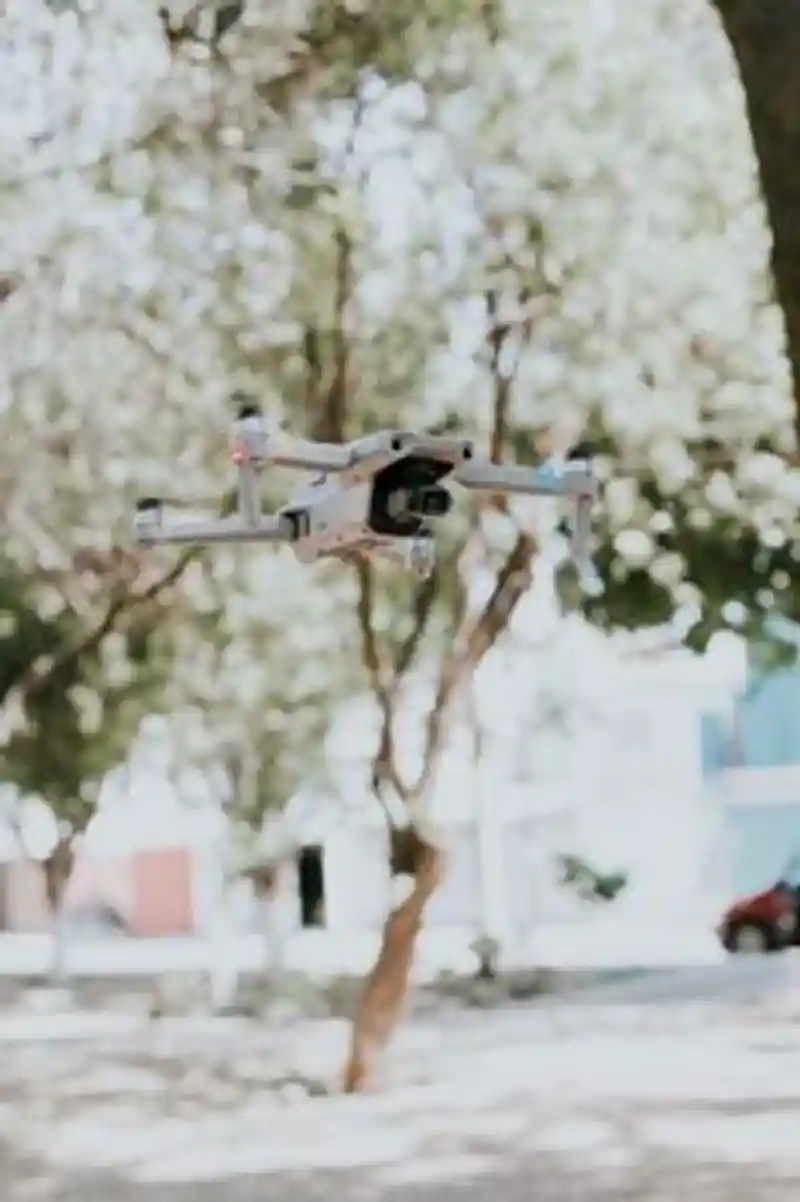
In the realm of public safety, drones are invaluable. They aid in search and rescue operations. They also monitor critical infrastructure. Surveillance drones enhance global ISR capabilities. They provide real-time situational awareness for law enforcement and emergency services.
The agricultural sector benefits immensely too. Precision farming techniques utilize drones for crop monitoring. They identify disease outbreaks and optimize resource allocation. This leads to increased yields and reduced environmental impact. This marks a significant step forward for agriculture.
Regulatory Landscape and Challenges
Navigating the regulatory landscape is a critical aspect of the Low-Altitude Economy Ecosystem. As drone usage expands, so does the need for clear guidelines. UU Nomor 21 Tahun 2025 on Airspace Management exemplifies this. It supports the Indonesian drone ecosystem.
However, challenges persist. Ensuring airspace safety is paramount. Preventing unauthorized drone use is also a concern. The development of effective anti-drone warfare capabilities highlights this need.
International collaboration is vital. Harmonizing regulations across borders will facilitate global trade. It will also promote technological interoperability. This ensures the safe and efficient integration of drones into our skies.
The Role of AI and Autonomy
Artificial intelligence is no longer a futuristic concept. It is a present-day enabler of the low-altitude economy. AI algorithms are powering autonomous drone operations. This includes complex tasks like navigation and decision-making. Drone swarm technology and AI are transforming modern warfare.
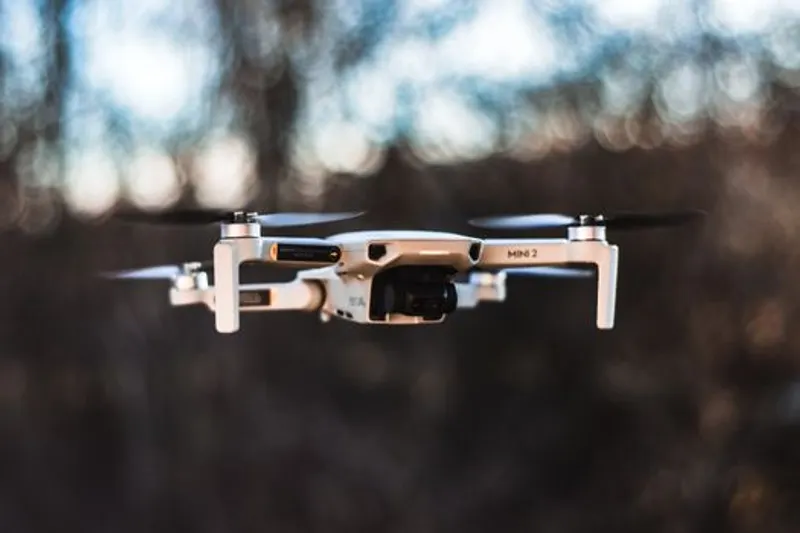
Autonomous systems reduce the need for constant human supervision. This increases operational efficiency. It also minimizes the risk of human error. The EU AI Act addresses these advancements. It raises complex questions for the drone industry regarding autonomy and safety.
The evolution towards greater autonomy is continuous. Future systems will likely operate with even more independence. This will unlock new applications and business models. The advancements in AI are fundamental to this progression.
Innovations in Drone Technology
Innovation in drone technology is relentless. We see advancements in battery life, payload capacity, and sensor technology. The DJI Mavic 3 Pro, for instance, offers enhanced creative perspectives. It showcases the increasing sophistication of consumer and professional drones.
New designs are emerging to meet specific needs. Vertical Take-Off and Landing (VTOL) UAVs are becoming more common. VTOL UAVs offer flexibility in deployment. They can operate in diverse environments.
The development of specialized drones continues. From FPV drones used in conflict zones to specialized surveillance drones, the market is diverse. Each innovation contributes to the growing ecosystem.
Economic Impact and Future Outlook
The economic impact of the Low-Altitude Economy Ecosystem is substantial. It creates new jobs. It drives investment in technology and infrastructure. The global market share held by leading manufacturers indicates significant economic activity.
The future outlook is exceptionally bright. Analysts predict continued exponential growth. This growth will be fueled by further technological breakthroughs. It will also be supported by expanding regulatory acceptance. The potential for new services and industries is immense.
As we look towards the horizon, the integration of drones will deepen. They will become an indispensable part of our daily lives. The aerospace sector is at the forefront of this transformation.
The Low-Altitude Economy Ecosystems of 2026 are a testament to human ingenuity. They represent a significant shift in how we utilize our airspace. From revolutionizing industries to enhancing global security, the possibilities are vast. As these ecosystems mature, they promise to unlock even greater potential. They will redefine our interaction with technology and the environment.
We encourage you to explore these exciting developments further. Understanding the nuances of this evolving landscape is key. It can unlock new opportunities for your business or organization.
For a personalized consultation and to discuss how these advancements can benefit you, please reach out to Liu Purnomo at liu@drone.co.id. Liu is ready to assist you with expert advice and tailored solutions related to the topics discussed in this article. Let’s explore the future of the low-altitude economy together.