



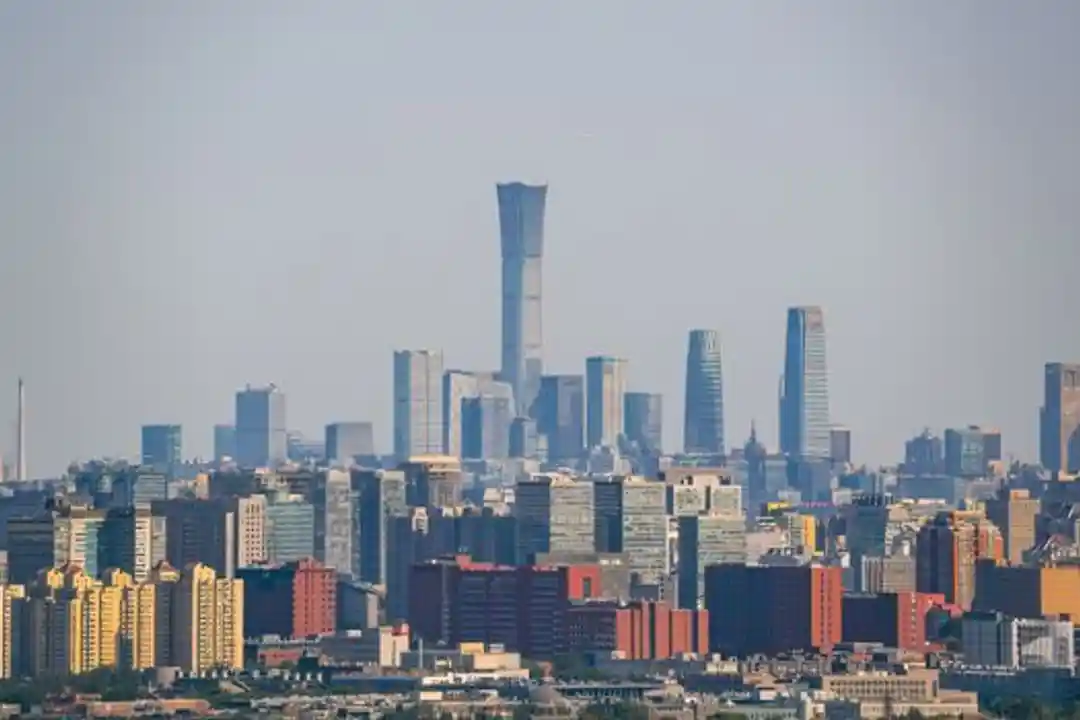
Beijing drone owners are selling or moving their aircraft ahead of an unprecedented citywide ban on private possession and storage. The strict regulations will take effect across the Chinese capital on November 15, 2026. Consequently, consumer pilots and commercial operators are acting quickly to liquidate their uncrewed aerial hardware.
The municipal measure represents one of the most comprehensive restrictions ever imposed on civilian uncrewed aircraft systems. Authorities are prohibiting not only unauthorized flights but also the basic ownership, storage, and transport of drones within municipal limits. Therefore, individuals and enterprises face severe enforcement penalties if they fail to dispose of their hardware before the deadline.
According to reports from DRONELIFE, municipal authorities will confiscate non-compliant equipment and levy hefty fines. In addition, the city has barred visitors from transporting any aerial devices into Beijing. As a result, local operators must decide whether to scrap their units, sell them through designated channels, or relocate them to outside jurisdictions.
Meanwhile, long queues have formed at authorized trade-in modules across commercial districts in the capital. As reported by the Taipei Times, owners are rushing to recover financial value through state-supported trade-in points. This rapid transition is reshaping the regional drone market while setting a major precedent for metropolitan airspace control.
Strict Possession Ban and Enforcement Protocols
The municipal government is establishing stringent protocols to enforce the complete ban on private drone ownership. Under the new statute, individuals and commercial entities cannot store aerial platforms or essential components anywhere in Beijing. Furthermore, law enforcement officers will have explicit power to seize banned items during routine security checks.
City officials have provided three specific compliance avenues for current owners before the November deadline arrives. Specifically, residents can sell their hardware through state-approved appraisal stations, surrender devices for recycling, or transfer equipment outside municipal boundaries. Moreover, the municipal government has introduced financial subsidies to encourage swift public participation.

The Japan Times confirmed that enforcement teams will monitor entry checkpoints, transit hubs, and commercial zones. In addition, logistics providers must halt shipments of aerial hardware destined for addresses inside Beijing. Consequently, travelers entering the metropolitan zone must leave their aerial gear outside the administrative boundary.
As reported by The Associated Press, the rules distinguish Beijing sharply from other parts of China. While properly registered consumer flights continue in neighboring regions, the capital enforces strict domestic security measures. Therefore, operators residing in Beijing must adapt to total prohibition within their home territory.
Buy-Back Centers and Market Impact on Resale Prices
Crowds of civilian pilots have gathered at designated appraisal stations across the city to sell their devices. At authorized electronics hubs and flagship retail stores, technicians are inspecting airframes, optical payloads, and flight batteries. For example, customers queued outside the flagship store for DJI in Beijing’s central business district to complete appraisals.
Uniformed police officers maintain a visible presence at all official reception centers across Beijing. According to the Taipei Times, users who turn in equipment at approved buy-back stations receive a government subsidy of up to 30 percent. This incentive softens the financial loss for operators who purchased premium gear such as the DJI Mavic 3 Pro or commercial mapping platforms.
However, the sudden rush of transactions is impacting secondary market values across the wider region. Industry analysis from Reboot Hub indicates that the immediate disposal wave is flooding pre-owned channels. Consequently, used hardware prices are facing downward pressure as Beijing sellers offload inventory simultaneously.
Many aerial photographers are choosing to transfer high-end equipment to relatives in neighboring provinces instead. Because the ban applies only within Beijing’s administrative border, relocating gear prevents total financial loss. Nevertheless, the local retail ecosystem for civilian uncrewed systems inside the capital has effectively ground to a complete halt.
Safety Incident and Regulatory Escalation in Beijing
The total ban follows months of escalating administrative controls implemented by municipal regulators. In March 2026, Beijing approved rules that prohibited commercial drone sales and mandated real-name registration starting May 1. While those early measures allowed registered owners to retain their hardware, subsequent events prompted a much harsher response.
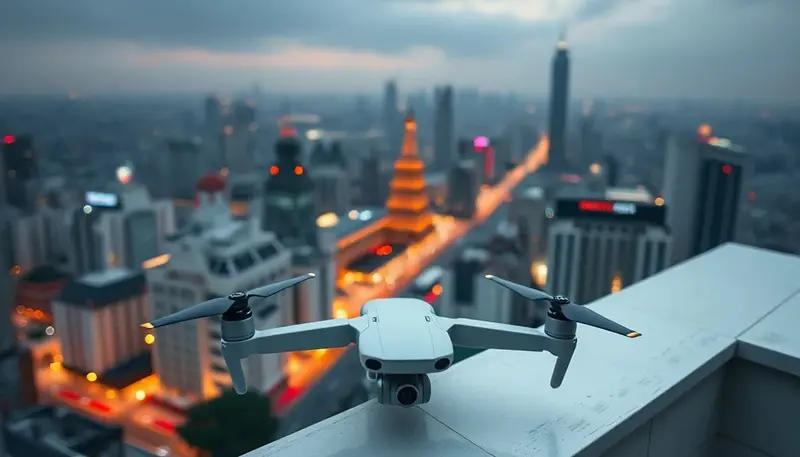
Airspace security concerns intensified dramatically following a major flight safety breach earlier in the summer. In June, an errant civilian aircraft crashed directly into Beijing’s tallest skyscraper. As a result, municipal leaders moved swiftly from managing flight activity to eliminating private possession entirely.
The revised policy framework approved in September removed previous registration exemptions for private individuals. Consequently, the municipality shifted its posture from operational management to total physical prohibition. Authorities decided that tracking individual flights posed too many enforcement risks within high-density urban areas.
The rapid shift surprised many enthusiast groups and commercial aerial service providers across the region. Although international bodies face similar challenges, such as when World Cup drone seizures exceed 300 during major sporting events, Beijing chose absolute prohibition. As a result, the capital has established the most restrictive urban airspace policy in the modern UAS sector.
Divergence Between Capital Restrictions and National Drone Policies
Beijing’s sweeping municipal ban contrasts sharply with broader economic initiatives across mainland China. Nationwide, government planners continue to promote the commercial low-altitude economy across logistics, agricultural mapping, and emergency services. In addition, national aviation authorities actively support expanded flight testing across designated industrial corridors.
Provincial authorities in regions like Hubei and Guangdong continue to build infrastructure for commercial uncrewed operations. For instance, international delegates recently gathered at the Hubei International Technology Exchange Conference to advance aerial manufacturing. Furthermore, commercial delivery trials continue expanding in southern cities with strong municipal backing.
However, Beijing frequently enforces separate, heightened security parameters to safeguard national government functions and public infrastructure. While industrial testing advances elsewhere, the capital prioritizes zero-risk airspace containment. Therefore, civilian operators must observe sharp geographic divisions when transporting or maintaining equipment.
Professional pilots are now establishing operational bases outside the capital to maintain their business activities. Many enterprise operators have relocated their flight hardware to Tianjin or Hebei province. Through these strategic adjustments, commercial flight teams continue servicing industrial contracts while remaining fully compliant with Beijing’s November 15 mandate.