



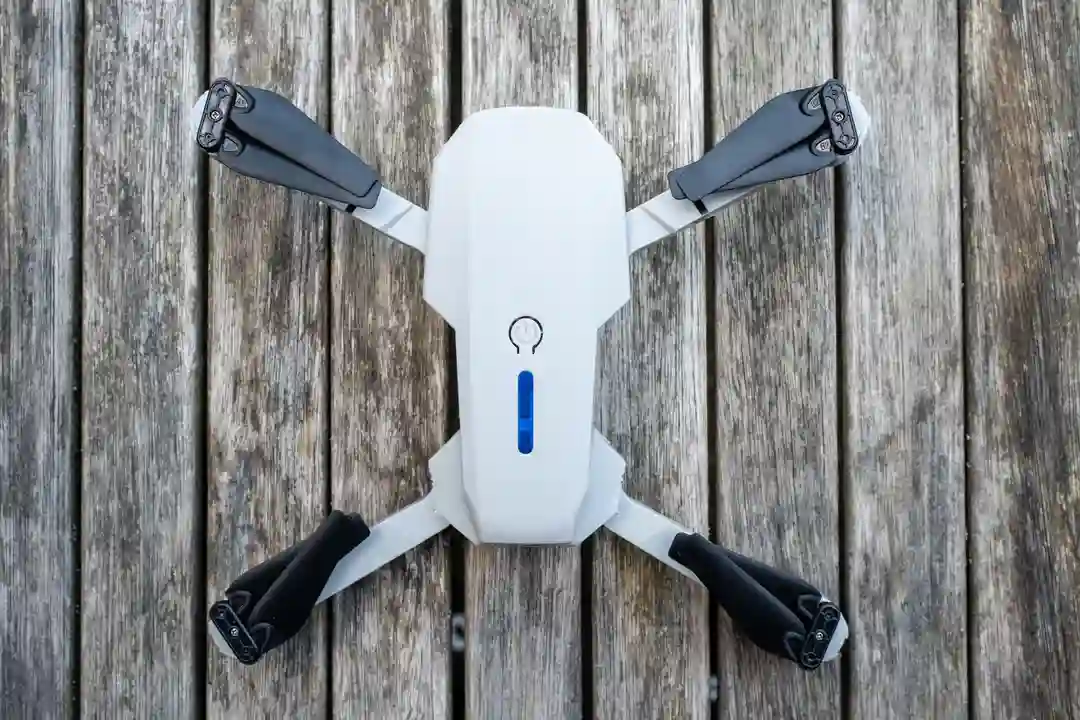
A widely available “4K drone” purchased for under $50 online has been critically panned for failing to meet its advertised specifications, delivering “shockingly awful” performance, and producing images far below 4K resolution. The review, conducted by technology publication TechRadar, highlights significant discrepancies between product claims and actual functionality, raising questions about consumer protection in the burgeoning drone market.
The unnamed drone, vaguely marketed as a “Mavic Pro upgrade” and sold for £36.49 (approximately $46 USD) including shipping from China, was tested by a TechRadar reviewer with extensive experience across various drone models. Despite its low cost, the drone failed to deliver on fundamental promises such as true 4K video recording, stable flight, and reasonable battery life.
Discrepancies in Specifications and Performance
The primary selling point, “4K” video, was found to be misleading. While advertised as capable of 3840 x 2160 pixel resolution, actual footage captured by the drone measured a mere 640 x 480 pixels. This constitutes a significant misrepresentation, as even older, entry-level drones typically offer higher resolutions. The image quality was described as “barely fit for purpose.”
Battery performance also fell short of expectations. The drone was advertised with an 1800mAh LiPo battery offering 15-25 minutes of flight time after a 100-minute charge. However, practical tests revealed much shorter operational periods, a common issue with budget-friendly consumer drones. For comparison, more reputable entry-level models like some in the DJI Lito Series or the DJI Mini 4K Drone typically offer significantly longer flight times and more reliable performance.
Flight stability, crucial for capturing usable aerial footage, was another area of significant failure. The product description claimed “altitude hold” for stable flight, but the drone exhibited considerable drift and difficulty maintaining a consistent position. This makes capturing steady video or photographs virtually impossible, undermining the core utility of an aerial photography platform.
Consumer Impact and Market Concerns
The TechRadar review underscores a growing problem within the consumer drone sector, where numerous unbranded or ambiguously branded products are sold online with exaggerated claims and glowing, potentially unverified, customer reviews. These products often target new users or those seeking an inexpensive entry into drone piloting, but deliver a substandard experience that can deter future engagement with the technology.
The prevalence of such misleading products can negatively impact consumer trust in the broader drone industry. While the market for high-quality drones continues to grow, with companies like DJI dominating global market share, the proliferation of low-quality alternatives can create a false impression of drone capabilities for unsuspecting buyers.
Broader Implications for Drone Technology Adoption
The ease with which these underperforming drones can be purchased also has implications for the perception of drone technology as a whole. For instance, while advanced FPV drones are revolutionizing modern warfare and sophisticated UAS are being deployed for everything from drone cargo delivery in Indonesia’s 3T regions to surveillance, a poor initial experience with a cheap, ineffective drone can overshadow the true potential and advancements in the field.
Regulators and consumer protection agencies face challenges in monitoring and enforcing standards for products sold through vast global e-commerce platforms. The review serves as a cautionary tale for consumers to exercise due diligence and critically evaluate product claims, particularly for electronics sold at prices significantly lower than established market benchmarks.