



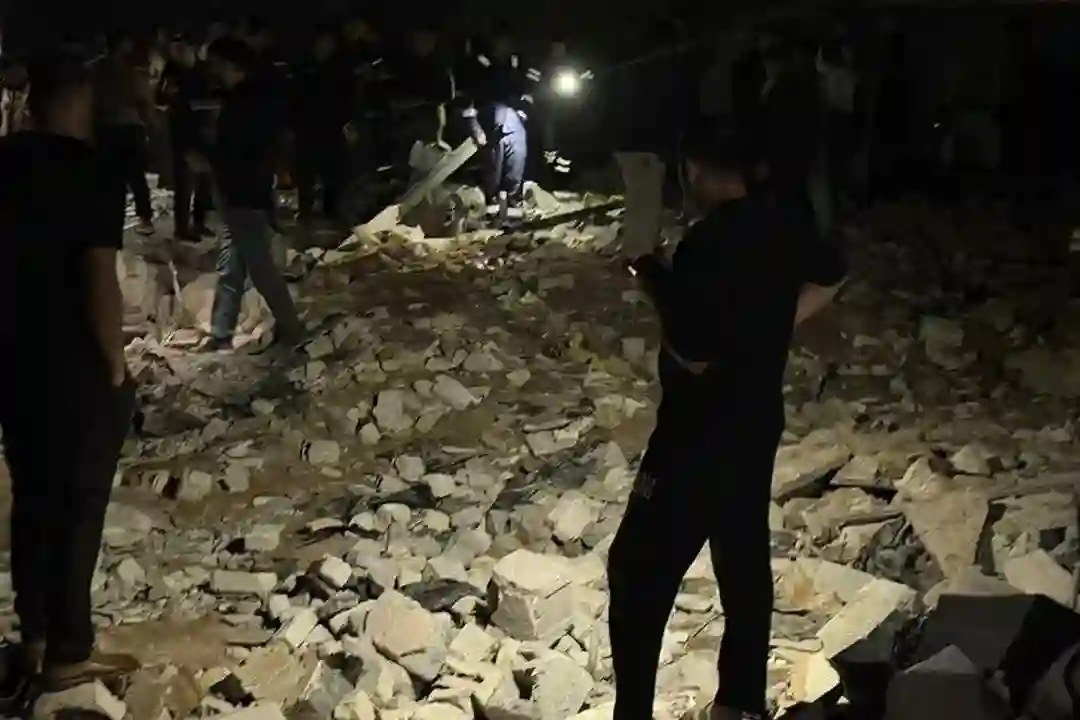
Saudi intercepts Houthi drones launched from Yemen before the unmanned aircraft could strike targets across Riyadh. Royal Saudi Air Defense forces detected the hostile aerial vehicles during the early hours of Saturday.
Military tracking systems neutralized both incoming aircraft high above sovereign airspace. Consequently, defensive interceptors eliminated the aerial threat before causing any ground casualties or critical infrastructure damage.
Saudi-led coalition spokesperson Turki al-Maliki confirmed the successful interception through an official public statement on social media platform X. He emphasized that coalition radar networks maintain continuous surveillance over potential missile and unmanned aerial system trajectories.
Furthermore, the defensive engagement marks a critical escalation following the collapse of a multi-year truce in Yemen. Regional military authorities have heightened their operational readiness to protect municipal centers and critical energy assets.
Coalition Forces Neutralize Capital Airspace Threat
According to Detik News, defensive units identified two hostile unmanned aircraft approaching the metropolitan airspace of Riyadh. Coalition surface-to-air missile systems engaged the targets immediately after detection. Therefore, the coordinated fire destroyed the incoming threats mid-flight without civilian disruption.
As reported by Metro TV News, Turki al-Maliki stated that coalition forces actively track hostile launches originating from Yemen. The coalition monitors all aerial vectors directed at commercial hubs and administrative districts across the kingdom. Consequently, early warning networks ensure defensive countermeasures deploy rapidly against hostile incursions.
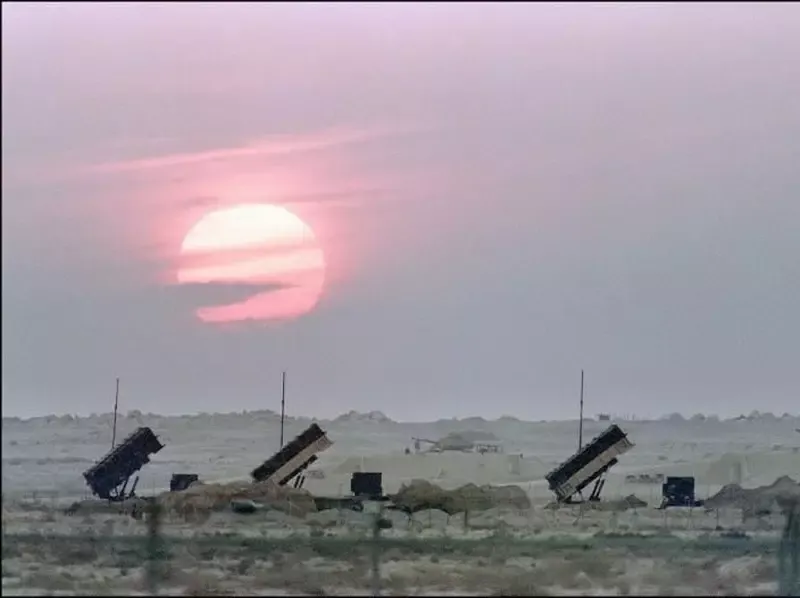
International news wires, including Anadolu Agency and AFP, highlighted the operational readiness of Saudi anti-missile systems. Strategic Patriot missile batteries form a multi-layered shield surrounding the capital. Moreover, security analysts observe that integrated radar sensors successfully counter low-altitude aerial threats. These modern defensive systems provide essential protection within modern Defense architectures.
Meanwhile, the successful neutralization prevented potential damage to urban districts and commercial facilities. The coalition stressed that protecting civilian populations remains the top strategic objective. In addition, tactical response units remain deployed across southern border corridors to detect subsequent airborne incursions.
Escalation in Yemen and Maritime Blockade Pressure
The latest aerial attack follows intense fighting between Yemeni government troops and Houthi fighters. Conflict hostilities flared again after prolonged ceasefire agreements fractured across several active frontlines. Because of these territorial clashes, cross-border strikes have expanded significantly toward major Saudi urban hubs.
In addition to cross-border aerial incursions, Houthi leaders announced a maritime blockade targeting commercial tankers. Regional trade routes throughout adjacent waterways face severe disruptions from naval drones and remote attacks. Similar security issues surrounding commercial navigation mirror operations where the French Navy Intercepts Fifth Suspected “Ghost Fleet” Tanker in Mediterranean to secure global shipping lanes.
Furthermore, Yemeni government forces executed coordinated counter-offensives against insurgent strongholds in Taiz Province. Yemeni military spokesperson Majid Abdullah al-Nazili published video footage demonstrating strikes against insurgent supply lines. Therefore, frontline operations aim to sever logistics routes that support long-range weapon launches toward Saudi territory.
Consequently, ground battles in Taiz and surrounding provinces have directly influenced cross-border launch frequencies. Insurgent units often launch aerial attacks to retaliate against government ground advances. Coalition air defense crews now maintain constant vigilance across central and western Saudi sectors.
Unmanned Systems in Modern Asymmetric Warfare
Unmanned aerial vehicles have become primary tools for asymmetric combat operations across the Middle East. Regional armed factions deploy loitering munitions to challenge conventional air defense networks. Indeed, autonomous strike systems mirror operational trends detailed in FPV Drones: The Unseen Force Reshaping Global Conflict and Defense.
Modern combat environments increasingly feature low-cost aerial platforms designed to bypass traditional radar arrays. Militant groups use navigation programming to guide autonomous drones across extended distances. Similar tactical developments appear globally, as explored in African Skies: How Rebel Groups Are Rewriting Drone Warfare with FPV Technology.

Moreover, defense strategists emphasize the economic imbalance between low-cost attack drones and expensive interceptor missiles. Surface-to-air systems must expend sophisticated munitions to neutralize relatively inexpensive unmanned aircraft. Consequently, military planners actively explore next-generation counter-drone systems to reduce operational interception expenditures. Current international developments reflect how Drone Swarm Technology and AI Revolutionize Warfare across contested airspace.
In response to recurring threats, defense forces integrate electro-optical sensors alongside radar tracking stations. These combined sensor networks detect small composite airframes at greater distances. As a result, early detection allows commanders to select optimal interception protocols before threats reach populated areas.
Regional Security Ramifications and Strategic Outlook
Saturday’s interception highlights the volatile security environment surrounding the Arabian Peninsula. Recent military claims indicate repeated attempts to target strategic facilities in Riyadh and Yanbu. Heightened security protocols now safeguard energy production infrastructure, transport terminals, and government installations.
Furthermore, the aerial confrontation reflects broader geopolitical friction across the Middle East. Similar incidents, such as when U.S. Strikes Iranian Targets After Drone Attack on Commercial Ship in Strait of Hormuz, demonstrate widespread vulnerabilities in critical transport corridors. Regional defense partners continue sharing real-time radar intelligence to counter coordinated drone incursions.
Consequently, diplomatic efforts to restore the Yemen ceasefire face severe obstacles amid renewed cross-border hostilities. Coalition leaders maintain that self-defense operations will continue against any hostile launch platforms. As reported across international News outlets, military commanders demand strict accountability for attacks targeting civilian infrastructure.
Ultimately, the successful interception over Riyadh confirms the operational effectiveness of Saudi multi-tier air defenses. Defensive radar arrays continue scanning southern flight corridors for incoming unmanned systems. Meanwhile, coalition military personnel remain on high alert to neutralize future aerial threats against the kingdom.