


The quest for superior intelligence, surveillance, and reconnaissance (ISR) capabilities continues to drive innovation in the unmanned aerial vehicle (UAV) sector. Among the emerging technologies, the Q4 surveillance drone represents a significant advancement, offering enhanced efficiency and expanded operational parameters for a variety of critical missions. This new generation of drones is poised to redefine how organizations gather vital information, from military operations to civilian security and disaster response.
These sophisticated unmanned aircraft are designed to provide persistent, real-time data, crucial for informed decision-making in complex environments. As threats evolve and the need for situational awareness grows, the deployment of advanced surveillance platforms like the Q4 becomes increasingly vital. The capabilities offered by these drones address the growing demand for cost-effective yet high-performance ISR solutions.
The development of the Q4 surveillance drone builds upon years of research and development in UAV technology. Its design emphasizes autonomy, vertical takeoff and landing (VTOL) capabilities, and advanced sensor integration. This combination allows for greater operational flexibility and reduced logistical footprints compared to traditional surveillance methods. Consequently, these drones are finding applications across a wide spectrum of demanding sectors.
As the global landscape shifts, the importance of robust ISR is paramount. Whether safeguarding borders, monitoring critical infrastructure, or responding to natural calamities, the Q4 surveillance drone emerges as a key technological asset. Its ability to operate autonomously and gather comprehensive data marks a significant leap forward in unmanned aerial systems technology.
Advancements in Q4 Surveillance Drone Technology
The Q4 surveillance drone is engineered with a focus on delivering high-performance ISR capabilities through advanced technological integration. These systems are often characterized by their fully autonomous operation and VTOL capabilities, as highlighted by TOR Robotics. This means the drones can take off and land vertically, similar to a helicopter, without the need for a runway. Such a feature significantly broadens the deployment options, allowing operations from confined or unprepared areas, which is a critical advantage in many scenarios.
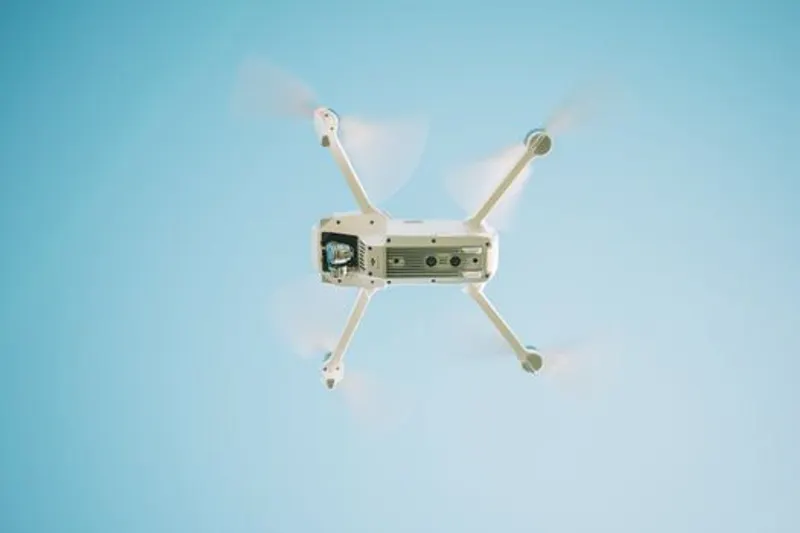
Furthermore, the Q4 platform is designed to enhance efficiency and expand operational capabilities. This often translates into longer endurance times, greater payload capacity for sophisticated sensors, and improved data processing. The integration of advanced sensor suites, such as electro-optical/infrared (EO/IR) and synthetic aperture radar (SAR), allows for comprehensive data collection across various environmental conditions. This capability is essential for providing a broad overview and systematic surveillance, as noted in the context of similar high-altitude platforms like the RQ-4 Global Hawk.
The development of these drones is driven by the need for reliable and economical solutions. For instance, the Q4i UAV, developed by ideaForge, is presented as an economical small-category VTOL UAV. This positioning suggests a market focus on providing advanced surveillance technology that is accessible for a wider range of applications, including those where cost-effectiveness is a major consideration. These advancements ensure that the Q4 surveillance drone can effectively support various intelligence-gathering requirements.
Operational Capabilities and Applications
The operational capabilities of the Q4 surveillance drone are tailored to meet the demanding requirements of modern ISR missions. The VTOL feature, for example, is instrumental in enabling rapid deployment and operation in diverse geographical terrains. This flexibility is crucial for scenarios such as security operations, traffic management, and crowd control, where quick and agile responses are often necessary. As reported by ideaForge, the Q4i UAV is specifically suited for these applications, offering reliable performance in challenging conditions.
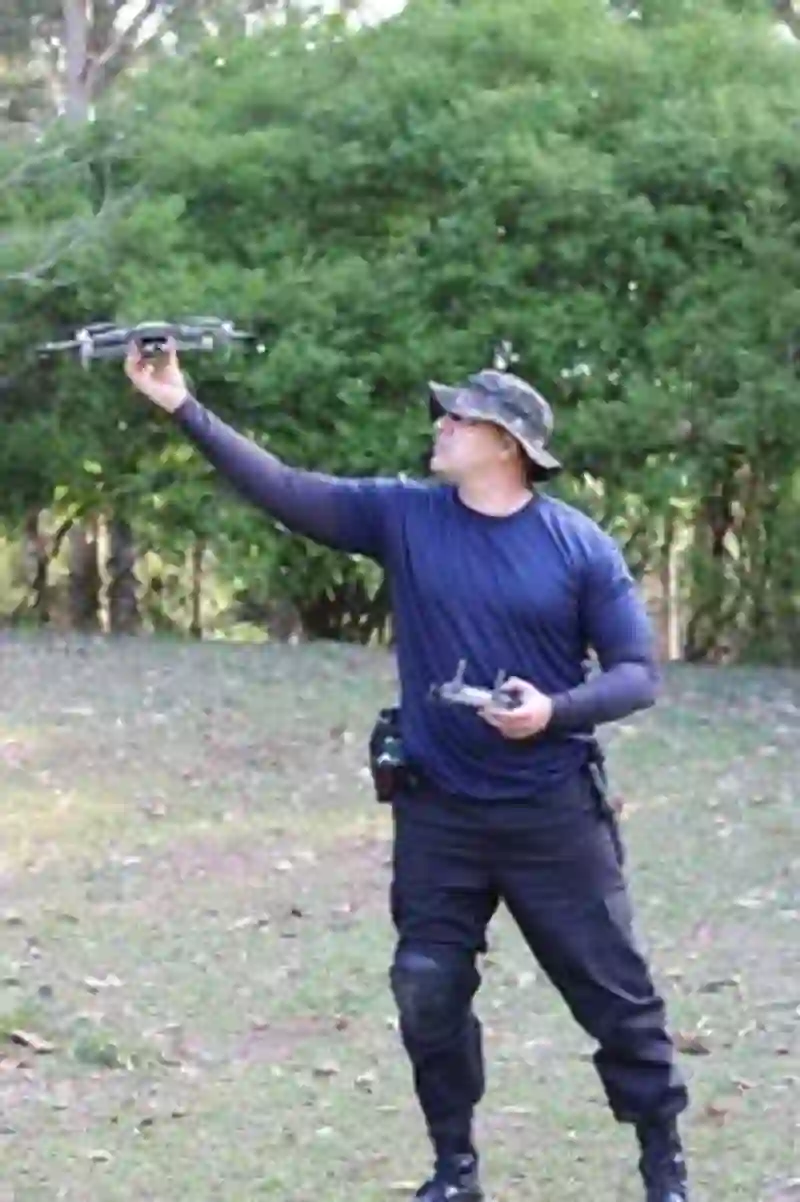
Moreover, the autonomous nature of these drones allows them to execute complex flight plans and surveillance patterns without continuous human intervention. This not only reduces the workload on operators but also ensures consistency and precision in data collection. The ability to maintain long loiter times over target areas, a characteristic of high-altitude platforms like the RQ-4 Global Hawk, is also a key benefit that can be translated into smaller, more agile VTOL systems for specific tactical advantages. This persistent presence is invaluable for monitoring dynamic situations or gathering intelligence over extended periods.
The versatility of the Q4 surveillance drone extends to disaster management and humanitarian relief efforts. In such situations, rapid aerial assessment can provide critical information for coordinating rescue operations and understanding the extent of damage. The ability to cover large areas efficiently and provide real-time imagery makes these drones indispensable tools for first responders. Their deployment can significantly improve the effectiveness of relief efforts and potentially save lives, underscoring their importance beyond traditional defense applications.
Comparison with Other ISR Platforms
When evaluating the Q4 surveillance drone, it is beneficial to consider its capabilities in relation to other prominent ISR platforms. The Northrop Grumman RQ-4 Global Hawk, for instance, is a high-altitude, long-endurance (HALE) aircraft. According to sources like Wikipedia, the Global Hawk operates at very high altitudes, providing a broad overview and systematic surveillance using advanced sensors like SAR and EO/IR. It is designed for persistent ISR collection over vast geographical areas, supporting global military operations and contingency planning, particularly in theaters like the Pacific.
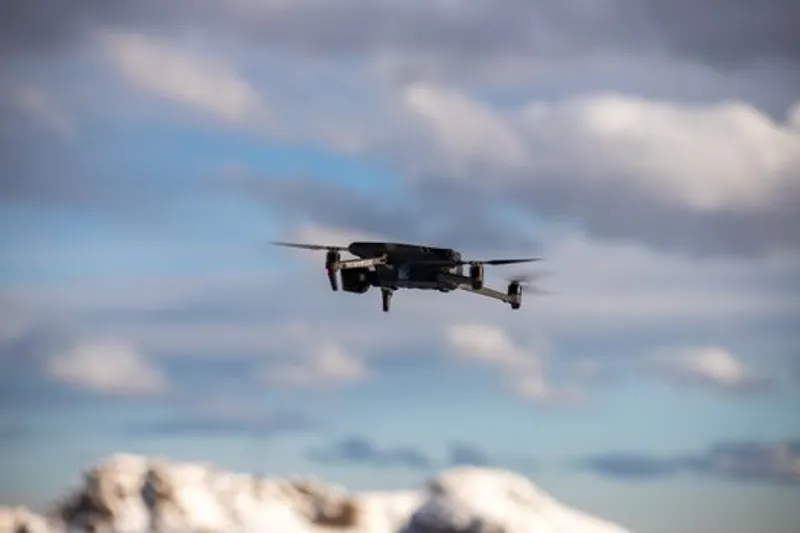
In contrast, the Q4 surveillance drone, particularly models like the Q4i, often represents a more compact and agile solution. While not matching the vast operational ceiling and range of the Global Hawk, these VTOL UAVs offer distinct advantages in terms of deployment flexibility and cost-effectiveness. As reported by AF.mil, the Global Hawk supports ISR missions across all geographic combatant commands, highlighting its strategic, large-scale role. The Q4, on the other hand, is well-suited for more localized or tactical surveillance needs, such as border security, infrastructure monitoring, or immediate incident response.
The TOR Robotics Q-4 Drone, described as a multi-rotor VTOL system, further emphasizes the agility and efficiency aspect. This type of platform is ideal for missions requiring rapid deployment from small footprints and the ability to hover or navigate complex urban environments. While the RQ-4 Global Hawk excels in strategic, long-duration reconnaissance, the Q4 series drones offer tactical advantages for immediate situational awareness and detailed inspection tasks. The choice between these platforms often depends on the specific mission parameters, required operational altitude, endurance, and the nature of the intelligence being sought. This technological diversity ensures that a wide range of ISR needs can be met effectively.
The Future of Q4 Surveillance Drones
The trajectory of Q4 surveillance drone technology points towards continued evolution and broader integration across both military and civilian sectors. As sensor technology advances and artificial intelligence capabilities are further embedded, these drones will become even more sophisticated in their ability to autonomously identify, track, and analyze targets. The trend towards miniaturization and enhanced power efficiency will likely lead to even longer flight times and greater payload options for smaller VTOL platforms.
Furthermore, regulatory frameworks are adapting to accommodate the increasing proliferation of UAVs. As certifications, such as the DGCA certification mentioned for the Q4i UAV, become more common, the path for commercial and governmental adoption will become clearer. This will unlock new applications and markets, potentially leading to widespread use in areas like precision agriculture, infrastructure inspection, and environmental monitoring. The ability to provide cost-effective, high-resolution data will drive this expansion.
The synergy between different types of unmanned systems is also a growing area of interest. For instance, while larger drones like the RQ-4 Global Hawk can provide strategic overview, smaller drones like the Q4 could be deployed as part of a swarm or in conjunction with ground forces for close-in reconnaissance. This layered approach to ISR collection, leveraging the strengths of various platforms, represents the future of intelligence gathering. The ongoing developments in the Q4 surveillance drone technology are thus critical for maintaining a leading edge in a rapidly changing world.