



Drone cargo presents a revolutionary solution for Indonesia’s logistical challenges. As an archipelago nation, reaching remote areas, particularly the underdeveloped, frontier, and outermost (3T) regions, remains a significant hurdle. Traditional transportation methods often prove costly and time-consuming. This is where advanced drone technology steps in. By leveraging drone technology, Indonesia can bridge geographical gaps efficiently. This article explores the immense potential of drone cargo for these underserved areas in 2026.
The sheer geographical complexity of Indonesia demands innovative approaches to connectivity. Islands are scattered across vast oceans. Many communities within these islands lack proper road infrastructure. This isolation impacts access to essential goods, healthcare, and economic opportunities. Implementing a robust drone cargo network promises to overcome these obstacles. It offers a more agile and cost-effective alternative to conventional logistics.
The year 2026 marks a critical juncture for the adoption of advanced technologies. Regulations are becoming more supportive of drone operations. The technology itself has matured significantly. We see increased payload capacity and longer flight ranges. These advancements make autonomous systems like cargo drones viable for real-world applications. Indonesia is poised to benefit immensely from this technological leap.
This article will delve into the specific advantages drone cargo offers Indonesia. We will examine its role in delivering vital supplies. We will also discuss the economic implications and the future outlook for this transformative technology. Understanding this potential is key to unlocking a more connected and prosperous Indonesia.
Bridging the Gap: The Need for Drone Cargo in Indonesia
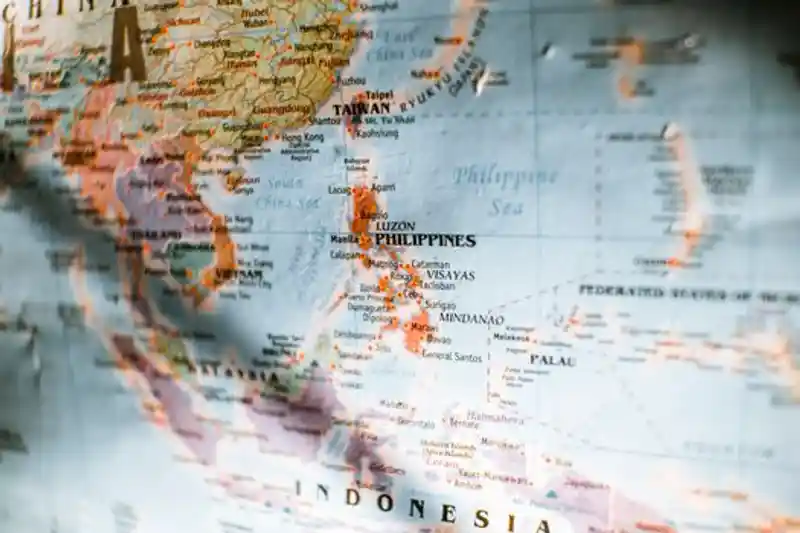
Indonesia’s vast geography creates unique logistical nightmares. Reaching the 3T regions often involves multiple modes of transport. This can include boats, small planes, and arduous overland journeys. Each step adds significant cost and time. For instance, delivering medicine to a remote island clinic can take days. This delay can be critical in medical emergencies. Drone cargo offers a direct, faster route.
Furthermore, the cost factor is substantial. Maintaining traditional supply chains to remote areas is expensive. Fuel, infrastructure, and personnel costs add up. Drones, especially electric ones, offer lower operational expenses. They reduce reliance on fuel-intensive vehicles. This makes them an economically attractive option for consistent delivery. This aligns with the goal of achieving low-cost solutions for Indonesia.
The current infrastructure limitations in many 3T regions make them inaccessible for regular large-scale deliveries. Drones bypass these limitations. They do not require roads or runways. They can access areas directly, landing in small clearings or designated drop zones. This capability is invaluable for consistent support of these communities. This technology directly addresses the core problem of accessibility.
How Drone Cargo Revolutionizes Remote Logistics
The primary advantage of commercial drones for cargo is their speed and efficiency. They can operate beyond the constraints of traffic and terrain. Imagine urgent medical supplies reaching a remote village within hours, not days. This speed is critical for life-saving interventions. It also ensures timely delivery of essential goods like food and educational materials.
Moreover, the integration of advanced AI and autonomous systems enhances operational capabilities. Drones can navigate complex routes, avoid obstacles, and manage their payloads effectively. This reduces the need for constant human oversight. This is crucial for long-distance flights. Companies like DJI, which dominates the global market share, continue to innovate in this space. Their advancements contribute to the overall reliability of drone cargo solutions.
Beyond speed, drone cargo offers unparalleled flexibility. Delivery schedules can be adapted quickly based on demand. Small, frequent deliveries can replace large, infrequent ones. This reduces waste and ensures resources are available when needed. This adaptability is a significant benefit for managing supplies in dynamic environments.
The Regulatory Landscape and Future Outlook
The successful implementation of drone cargo operations in Indonesia hinges on a supportive regulatory framework. Thankfully, progress is being made. UU Nomor 21 Tahun 2025 tentang Pengelolaan Ruang Udara provides a crucial foundation. This legislation aims to foster a robust drone ecosystem. It addresses airspace management and operational guidelines. Such regulations are vital for ensuring drone safety and security.

The future outlook for drone cargo in Indonesia is bright. As the technology matures and regulations evolve, we can expect wider adoption. This will extend beyond the 3T regions. We might see drones integrated into urban logistics and emergency response. The technology continues to advance, promising greater payload capacities and longer ranges. This will further solidify its role in national logistics.
Global trends also support this growth. Countries worldwide are exploring and implementing drone delivery services. From Amazon’s efforts to smaller, specialized operators, the industry is expanding. Indonesia can learn from these global experiences. It can adapt best practices to its unique context. This collaborative approach will accelerate the adoption of drone cargo.
Specific Use Cases and Benefits
The most impactful use case for drone cargo in Indonesia is the delivery of medical supplies. Vaccines, blood, and essential medicines can reach remote clinics quickly. This directly improves healthcare outcomes in underserved areas. For example, delivering anti-venom to a rural community could save lives. This capability alone justifies the investment in drone logistics.

Furthermore, drone cargo can support disaster relief efforts. Following natural disasters like earthquakes or floods, traditional routes may be impassable. Drones can deliver emergency food, water, and shelter materials. They can also perform reconnaissance, assessing damage and identifying areas in need. This rapid response capability is critical in humanitarian crises.
Economically, commercial drones can empower local economies. They can facilitate the transport of local produce to larger markets. This opens new revenue streams for farmers and small businesses in remote areas. It connects them to wider consumer bases, fostering economic growth and reducing rural-to-urban migration. This economic uplift is a significant benefit.
Challenges and Considerations
Despite the immense potential, challenges remain. One significant concern is airspace management and safety. Integrating a large number of drones into existing airspace requires sophisticated systems. This includes traffic management and collision avoidance technologies. The UU Nomor 21 Tahun 2025 is a step in the right direction. However, detailed operational protocols are still needed.

Another consideration is payload capacity and range limitations. While technology is advancing, current drones may not be suitable for all types of cargo. Heavy or bulky items still require traditional transport. Battery life and weather conditions also pose challenges for drone operations. Indonesia’s tropical climate, with its rain and wind, requires robust drone designs.
Public perception and acceptance are also important. Concerns about privacy and security need to be addressed. Educating the public about the benefits and safety measures of drone cargo is crucial. Building trust will facilitate wider adoption and integration into daily life. This is an ongoing process for the drone industry.
The Path Forward: Collaboration and Innovation
To overcome these challenges, collaboration is key. Government agencies, private companies, and research institutions must work together. This ensures that regulations are practical and promote innovation. The Indonesian drone industry is growing. Events like the Indonesian Drone Industry Leader Attends Hubei International Technology Exchange Conference highlight global collaboration opportunities. Such partnerships can accelerate technology transfer.
Continuous innovation is also essential. Drone manufacturers must focus on developing models suited for Indonesia’s specific needs. This includes enhanced payload capacity, longer flight times, and greater resilience to weather. Investment in autonomous systems and AI will further improve efficiency and safety. This drive for innovation will shape the future of drone logistics.
Ultimately, the successful deployment of drone cargo will transform Indonesia. It will connect its people, boost its economy, and improve the lives of those in remote regions. By embracing this technology, Indonesia can leapfrog traditional logistical hurdles. The vision of a connected archipelago, powered by advanced drone solutions, is within reach.
Encourage readers to contact Liu Purnomo at liu@drone.co.id for a free consultation related to the topics discussed in the article. Readers are invited to ask questions, seek expert advice, or discuss their specific needs. For immediate assistance, you can also reach out via WhatsApp: Contact Us.