



United flight drone encounter near Newark Airport prompts FAA investigation.
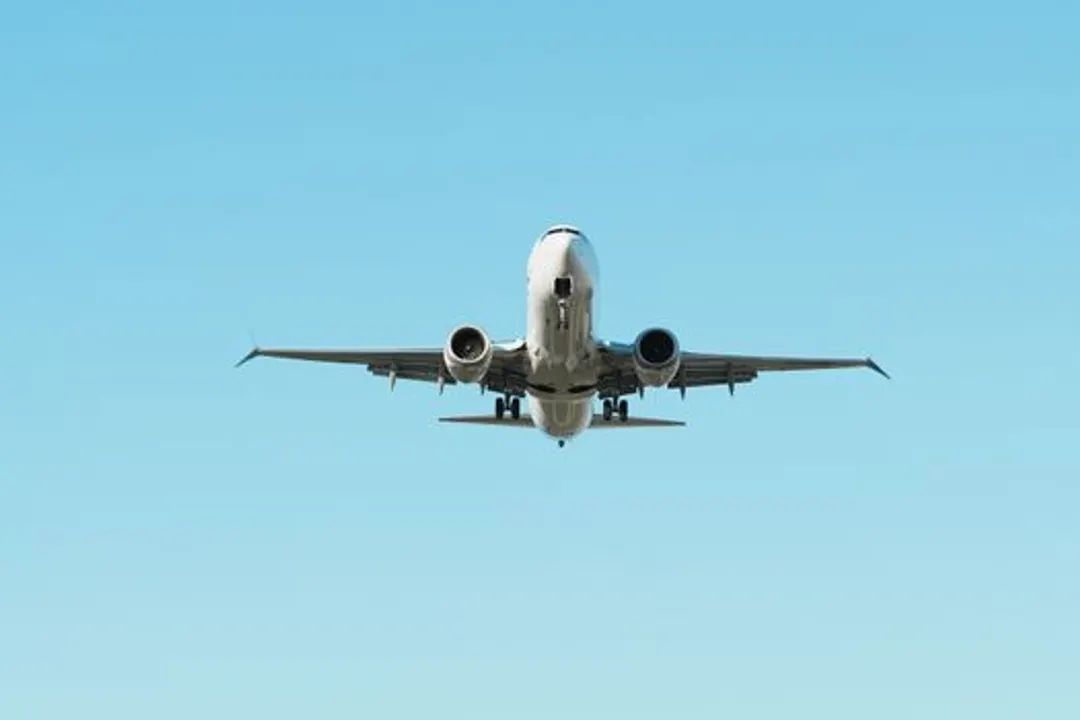
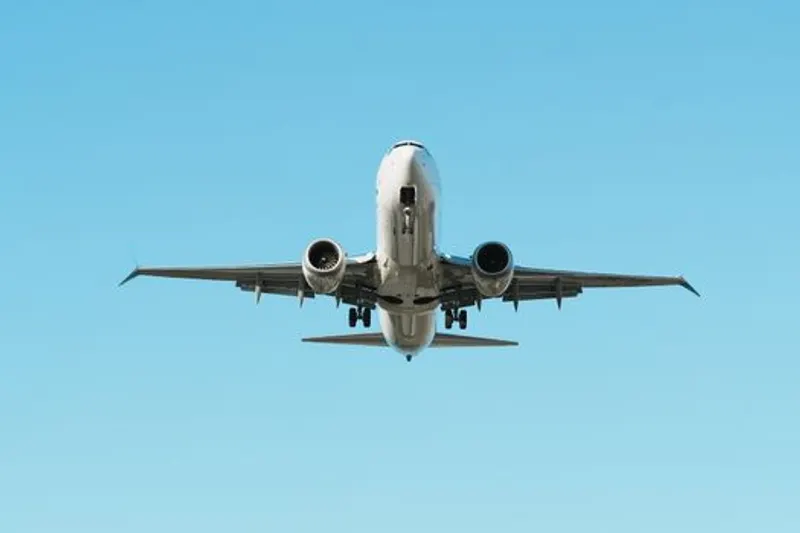
A United Airlines Boeing 737 MAX 9 experienced a harrowing near-miss with a drone as it approached Newark Liberty International Airport on Friday afternoon. The pilot reported the unmanned aerial vehicle (UAV) was approximately 100 feet below the aircraft, highlighting growing concerns about drone activity in sensitive airspace. This incident, occurring just before the busy Fourth of July holiday weekend, has prompted an immediate investigation by the Federal Aviation Administration (FAA).
The flight, originating from Key West, Florida, was on its final approach to Newark when the close call occurred. Air traffic control audio captured the pilot’s urgent report, stating, “We almost hit a drone.” The pilot described the drone as circular and roughly three feet wide. This encounter underscores a persistent issue across the United States, where an average of 100 drone sightings are reported near airports each month, according to the FAA.
The United Airlines aircraft, carrying 106 passengers and five crew members, landed safely at approximately 5:30 p.m. ET. Passengers disembarked without incident, unaware of the proximity of the potential danger they had just narrowly avoided. However, the incident has reignited discussions about the safety implications of drones operating in proximity to commercial aviation routes.
The FAA is actively investigating the United flight drone encounter, seeking to identify the operator of the drone and determine the circumstances surrounding the event. Operating drones in controlled airspace around airports is a federal offense, and authorities are keen to understand how such a close call could happen. The agency’s commitment to aviation safety means that all such reports are taken very seriously, especially given the increasing prevalence of drones in everyday life.
Drone Encounter Heightens Aviation Safety Concerns
The near-collision between the United Airlines flight and the drone over Newark highlights a critical and escalating issue within the aviation industry. As drone technology becomes more accessible, the challenges of integrating these unmanned systems safely into shared airspace grow significantly. The pilot’s report of the drone being only 100 feet below the aircraft paints a stark picture of the potential for disaster.
According to CNN, the pilot described the drone as circular and approximately three feet wide. This detailed observation from the cockpit is crucial for the ongoing investigation. Such encounters are not isolated incidents; the FAA acknowledges receiving about 100 reports of drone sightings near U.S. airports monthly. This statistic reveals a systemic challenge that requires robust regulatory frameworks and enforcement.
The incident occurred on a Friday afternoon, around 5:20 p.m. ET, as the Boeing 737 MAX 9 was on its final approach. The flight, identified as United Flight 1513, originated from Key West International Airport. The fact that the aircraft landed safely is a testament to the crew’s professionalism, but it does not diminish the severity of the near-miss. The incident serves as a potent reminder of the importance of adhering to airspace regulations, especially for drone operators.
FAA Investigates Incident and Drone Regulations
The Federal Aviation Administration has confirmed its investigation into the United flight drone encounter. The agency is committed to understanding how the drone came to be in such close proximity to a commercial aircraft on its landing path. This investigation is vital for preventing future occurrences and ensuring the safety of passengers and crew alike. The FAA’s role is crucial in managing the complexities of drone integration into the national airspace system.
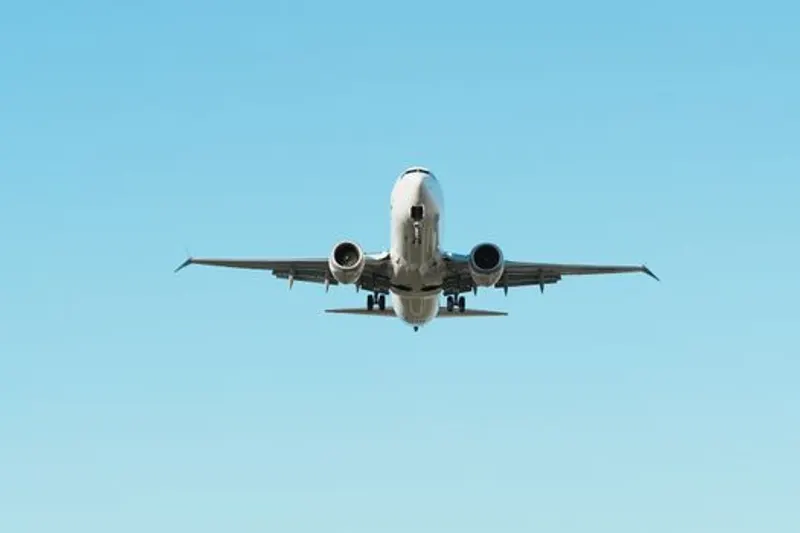
As reported by The New York Times, the crew of the Boeing 737 reported the drone while approaching Newark Airport. This report initiated the FAA’s inquiry. The agency emphasizes that operating drones near airports is a federal offense, and they are working to identify the individual or entity responsible for piloting the drone in this instance. Such investigations often involve reviewing flight data, radar information, and witness testimonies.
The FAA’s ongoing efforts to manage drone operations are multifaceted. They include developing and enforcing regulations, promoting education for drone operators, and implementing technologies to detect and track unauthorized drone activity. The agency has previously issued guidance and rules regarding drone usage, particularly concerning altitudes and proximity to airports. This latest incident underscores the need for continued vigilance and potentially stricter enforcement measures to uphold airspace management principles.
Broader Implications for Drone Operations and Aviation Safety
The United flight drone encounter at Newark is emblematic of a broader trend: the increasing intersection of commercial aviation and widespread drone use. While drones offer numerous benefits in various sectors, from photography to infrastructure inspection, their operation requires strict adherence to safety protocols. The potential for catastrophic accidents, though statistically rare, remains a significant concern for aviation authorities worldwide.
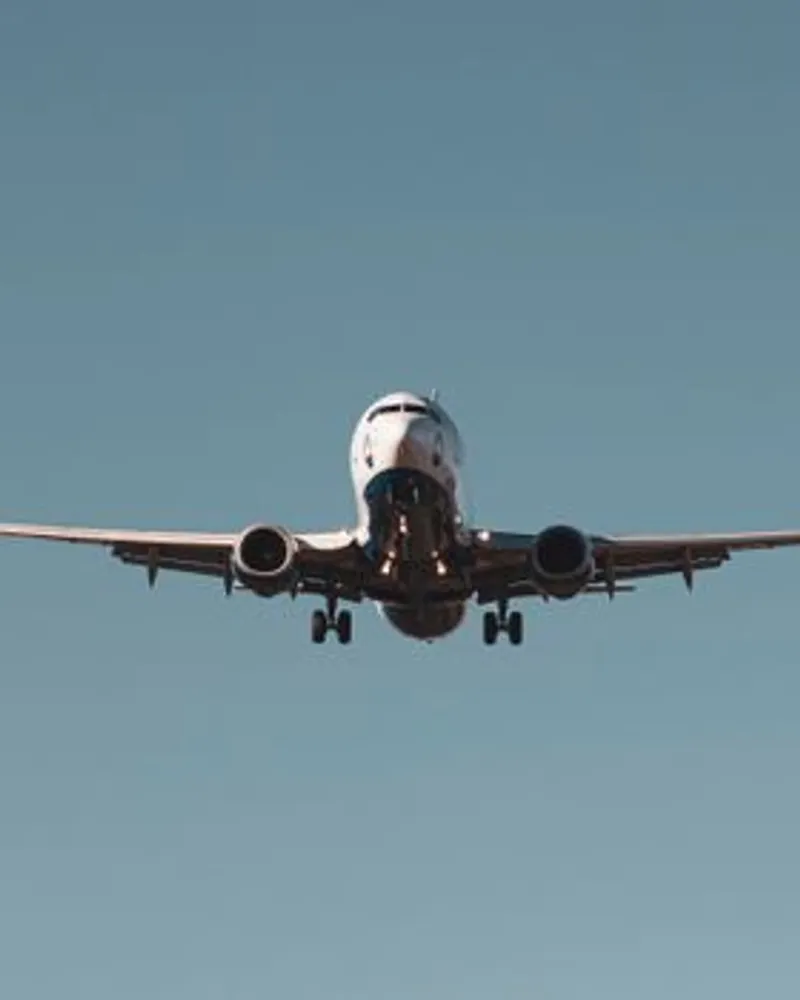
According to Simple Flying, a United Airlines Boeing 737 MAX 9 came within 100 feet of a drone on final approach. This proximity is alarming, as even a small drone could cause significant damage if ingested into an aircraft engine or strike critical flight surfaces. The incident also occurred shortly after another United Express pilot reported seeing a drone at a considerable altitude, suggesting potentially widespread unauthorized drone activity in the area.
This event also brings to the forefront the rapid advancements in drone technology, such as the development of FPV drones and advanced surveillance capabilities like the Q4 Surveillance Drone. While these technologies are pushing boundaries in various fields, including defense and ISR, their misuse poses risks. The industry, including manufacturers like DJI, which dominates the global market share, faces scrutiny regarding the responsible deployment of their products. The potential for drone swarms, as seen in military applications like drone swarm technology, further complicates the regulatory landscape.
The Growing Challenge of Unauthorized Drone Activity
The United flight drone encounter serves as a stark reminder of the challenges posed by unauthorized drone activity near airports. While the vast majority of drone operators are responsible, a small fraction can jeopardize the safety of everyone involved. The FAA’s data, indicating around 100 drone sightings per month near U.S. airports, suggests this is not an isolated problem but a recurring issue that requires continuous attention and evolving solutions.
The incident at Newark occurred just days before the Fourth of July, a period often associated with increased recreational drone use for celebrations. This timing further amplifies the FAA’s concerns about potential conflicts between drones and manned aircraft. Authorities are urging the public to be aware of and adhere to all regulations regarding drone operation, especially in and around airports and other restricted airspace. The consequences of violating these regulations can be severe, including hefty fines and potential legal action.
The development of technologies like the “Jellyfish drone formation” in Iran, mentioned in reports about Iran’s war tech and its alleged involvement in downing a US jet, highlights the dual-use nature of drone technology. While military applications are distinct from recreational use, the underlying challenges of detection and control are similar. The ongoing conflict between Russia and Ukraine has also seen extensive use of drones, including FPV kamikaze drones, demonstrating their evolving role in modern conflict and the need for robust counter-drone measures. Incidents like the Moscow drone attack further illustrate the increasing accessibility and impact of drone technology, even in civilian contexts, and the global implications, as seen in discussions about Russia-Ukraine peace talks.
Ultimately, the United flight drone encounter at Newark is more than just a single close call; it is a symptom of a larger, evolving challenge. As drone technology continues to advance and become more integrated into society, the need for clear regulations, effective enforcement, and public education becomes ever more critical. The FAA’s investigation will hopefully shed more light on this specific incident and contribute to broader strategies for ensuring the safety and security of our skies for all users.