



UAM and Low-Altitude Economy are no longer science fiction concepts. They represent a burgeoning sector poised to redefine urban landscapes and transportation. This new frontier promises faster commutes, efficient logistics, and innovative services. The integration of UAS technologies is central to this transformation. We are witnessing a fundamental shift in how we utilize our airspace. This article explores the vital role of Urban Air Mobility (UAM) in shaping this exciting future.
The year 2026 marks a significant point in the development of these advanced aerial systems. Regulatory frameworks are solidifying. Public acceptance is growing. Technological advancements are accelerating rapidly. These factors converge to create fertile ground for the Low-Altitude Economy. It encompasses a wide range of applications beyond just passenger transport. Think of cargo delivery, infrastructure inspection, and emergency services.
Understanding the dynamics of UAM is crucial for businesses and policymakers alike. It requires a holistic view of the ecosystem. This includes technological innovation, infrastructure development, and public safety considerations. The potential economic benefits are immense. However, navigating the complexities demands careful planning and collaboration. The future of our cities and industries depends on it.
This article will delve into the specific contributions of UAM. We will examine its symbiotic relationship with the broader Low-Altitude Economy. By understanding these connections, we can better anticipate the opportunities and challenges ahead. Let us explore how UAM pilots the way for a new era of aerial innovation.
The Foundation of the Low-Altitude Economy
The Low-Altitude Economy is built upon the efficient and safe utilization of airspace below traditional air traffic corridors. This space, once largely underutilized, is now a dynamic zone for advanced technologies. Drones, in their myriad forms, form the backbone of this economy. From small consumer drones to sophisticated industrial platforms, they enable new services.

Consider the impact of commercial drones on logistics. Companies like Amazon are exploring drone delivery to overcome urban congestion. This offers faster delivery times for consumers. It also reduces the carbon footprint associated with traditional delivery methods. The Drone Cargo for Indonesia’s 3T Regions initiative highlights this potential. It addresses connectivity challenges in remote areas.
Furthermore, the Low-Altitude Economy supports critical infrastructure management. Drones can perform inspections of bridges, power lines, and wind turbines. This is often safer and more cost-effective than manual methods. The Q4 Surveillance Drone exemplifies advancements in this area. Such technologies enhance global intelligence, surveillance, and reconnaissance capabilities.
Urban Air Mobility (UAM): The Passenger and Cargo Enabler
Urban Air Mobility (UAM) represents a significant evolution within the Low-Altitude Economy. It specifically focuses on air transport of people and high-value goods within urban and suburban areas. UAM vehicles, often referred to as eVTOLs (electric Vertical Take-Off and Landing), are designed for short-haul flights. They offer a compelling alternative to ground transportation. This is especially true in congested metropolitan centers.

The development of UAM is intrinsically linked to advancements in autonomous systems and battery technology. Companies are investing heavily in creating safe and reliable eVTOL aircraft. These vehicles promise to revolutionize commuting. Imagine reducing a one-hour car journey to a mere fifteen-minute flight. This vision is rapidly becoming a reality. The potential for increased productivity and improved quality of life is substantial.
Beyond passenger transport, UAM also encompasses advanced cargo operations. This includes rapid delivery of urgent medical supplies or critical spare parts. The goal is to create a seamless, three-dimensional transportation network. This network will complement existing infrastructure. It will unlock new efficiencies and economic opportunities. The business implications are profound.
UAM’s Role in Supporting the Ecosystem
UAM acts as a powerful catalyst for the entire Low-Altitude Economy. Its success depends on a robust ecosystem of supporting technologies and services. This includes advanced air traffic management systems, vertiports (landing and charging stations), and sophisticated drone operations. The UU Nomor 21 Tahun 2025 Airspace Management in Indonesia, for example, provides a crucial regulatory foundation for this growth.
Moreover, UAM drives innovation in related fields. The demand for advanced sensors, navigation systems, and communication technologies is soaring. This spurs further research and development across the technology sector. Companies like DJI, a leader in drone manufacturing, continue to push boundaries. Their innovations in camera technology and flight control systems benefit the entire UAM and low-altitude sector.
The integration of UAM also necessitates strong regulations and safety protocols. Ensuring public trust is paramount. The FAA in the United States and EASA in Europe are actively developing frameworks for UAM operations. These regulations cover everything from aircraft certification to pilot training and operational safety. This proactive approach is vital for sustainable growth.
Technological Advancements Fueling UAM Growth
The rapid pace of technological advancement is the primary engine behind UAM’s progress. Electric propulsion systems offer quieter and more environmentally friendly flight. Advanced battery technology provides the necessary range and endurance for eVTOL operations. Furthermore, sophisticated flight control systems and AI are enabling greater autonomy. This reduces pilot workload and enhances safety.
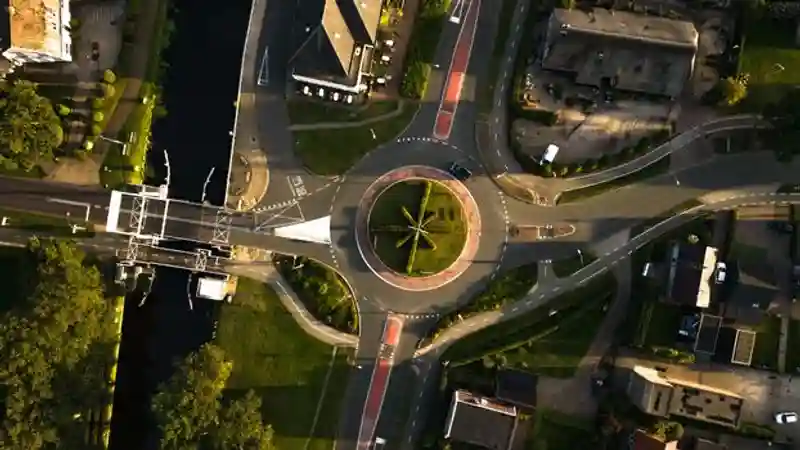
Onboard sensors and sophisticated AI are crucial for safe navigation. UAM vehicles must operate seamlessly in complex urban environments. They need to detect and avoid obstacles, other aircraft, and unexpected weather conditions. The development of advanced sense-and-avoid systems is a key area of research. This mirrors advancements seen in military applications, such as drone swarm technology and AI revolutionizing warfare.
The virtual realm also plays a role in UAM development. Simulations like the FPV Kamikaze Drone Steam Simulation, while focused on military applications, highlight the power of virtual testing environments. These simulations allow for extensive testing of flight dynamics and control algorithms. This reduces the need for costly and time-consuming physical prototypes. It accelerates the path to market readiness.
The Economic Impact and Future Outlook
The economic potential of UAM and the Low-Altitude Economy is staggering. Analysts predict a multi-billion dollar market within the next decade. This growth will create new jobs in manufacturing, operations, maintenance, and software development. The business opportunities span across various sectors.
As UAM services become more widespread, they will reshape urban planning and infrastructure. Cities will need to adapt by developing dedicated vertiport networks. This will require significant investment. However, the long-term benefits of reduced traffic congestion and improved accessibility will outweigh the costs. The Low-Altitude Economy Ecosystems Shaping Future Industries report underscores this transformative potential.
Looking ahead, the integration of UAM into daily life seems inevitable. While challenges remain, particularly concerning public perception and regulatory hurdles, the trajectory is clear. The sky is no longer a barrier but a new frontier for innovation and economic growth. The aerospace industry is undergoing a profound transformation, driven by these emerging aerial technologies.
Challenges and Opportunities Ahead
Despite the immense promise, the widespread adoption of UAM faces several hurdles. Public acceptance is a significant factor. Concerns about safety, noise pollution, and privacy need to be addressed. Transparent communication and robust safety demonstrations are essential. The United flight drone encounter incident, though a near-miss, highlights the importance of stringent airspace security and adherence to regulations.

Regulatory frameworks are still evolving. Harmonizing international standards and ensuring seamless integration with existing air traffic control systems are complex tasks. The regulations surrounding Aviation Law must adapt quickly to this new paradigm. The potential for conflicts, as seen in military contexts with Ukraine Drone FPV for Anti-Drone Warfare, underscores the need for clear operational boundaries.
However, these challenges also present opportunities. They drive innovation in safety systems, noise reduction technologies, and advanced air traffic management. The development of robust anti-drone measures is also a related area of growth. Addressing these issues proactively will pave the way for broader acceptance and integration of UAM.
Conclusion: Charting the Course for the Future Sky
The synergy between Urban Air Mobility and the broader Low-Altitude Economy is undeniable. UAM is not merely a mode of transport; it is a foundational element driving innovation, economic growth, and societal advancement. As technology matures and regulations solidify, we can expect to see UAM services become increasingly commonplace.

The transformation of our urban skies is underway. This shift promises to unlock unprecedented efficiencies and conveniences. It will redefine how we live, work, and connect. The journey from concept to widespread implementation is complex. But the potential rewards for society are immense. The future of war may be evolving with Jellyfish Drone Formation and AI, but the future of civilian life is being shaped by UAM.
As we navigate this new era, continuous learning and adaptation are key. The education and training sector plays a vital role. Low-Altitude Economy Drone Training Essential for developing the skilled workforce needed. This ensures the safe and effective operation of these advanced aerial systems.
The future of the Low-Altitude Economy, powered by UAM, is bright. It offers a glimpse into a more connected, efficient, and sustainable world. The sky is indeed the limit, and UAM is leading the charge.
Encourage readers to contact Liu Purnomo at liu@drone.co.id for a free consultation related to the topics discussed in the article. You can also reach out via WhatsApp at our dedicated consultation line for expert advice and to discuss your specific needs in the evolving world of UAM and the Low-Altitude Economy.