


Indonesia drone laws mandate strict adherence for all operators. Understanding these regulations is crucial for safe and legal flight operations across the archipelago. The Ministry of Transportation introduced key regulations to govern drone usage. These rules ensure public safety and manage airspace effectively. Ignorance of the law carries significant penalties. It is therefore essential for every drone pilot to familiarize themselves with the current legal framework.
Minister of Transportation Regulation No. 37/2020 and its subsequent amendments, particularly CASR Part 107, form the bedrock of drone legislation. These regulations address everything from pilot certification to operational limitations. They aim to integrate drones safely into existing aviation systems. This framework supports the growing Indonesian drone ecosystem, as highlighted by UU Nomor 21 Tahun 2025 concerning Airspace Management. This legal structure underpins the responsible development of drone technology.
Navigating Indonesia’s drone laws requires careful attention to detail. Operators must understand registration requirements, flight restrictions, and pilot responsibilities. Compliance ensures that the benefits of drone technology can be realized without compromising safety. This article delves into the specifics of these crucial regulations. It provides a clear overview for anyone operating drones in Indonesian airspace. We will explore the key provisions that govern drone activities nationwide.
The dynamic nature of drone technology necessitates updated regulations. Indonesia’s government actively works to keep its legal framework current. This proactive approach ensures that both recreational and commercial drone use can flourish responsibly. Understanding these laws is not just a legal obligation. It is a commitment to safe aviation practices. This guide will illuminate the path for compliant drone operations.
Understanding Minister of Transportation Regulation No. 37/2020
Minister of Transportation Regulation No. 37/2020 established the initial comprehensive framework for Unmanned Aircraft Systems (UAS) in Indonesia. This regulation was a significant step towards formalizing drone operations. It addressed critical areas like aircraft registration and pilot licensing. The regulation aimed to create a controlled environment for drone deployment. It also considered the potential risks associated with widespread drone use.
This foundational regulation defined various categories of drone operations. It differentiated between recreational, commercial, and public service uses. Each category carries specific requirements and limitations. For instance, commercial operations often require more stringent approvals and certifications. The aim was to foster innovation while maintaining safety standards. This approach balances economic benefits with public security concerns.
Furthermore, Regulation No. 37/2020 emphasized the importance of operational safety. It outlined rules regarding flight altitudes, proximity to airports, and flying over crowds. These provisions are vital for preventing accidents and ensuring the safety of the public. Adherence to these rules is paramount for all operators. The Ministry of Transportation oversees enforcement of these critical guidelines.
CASR Part 107: The Operational Standard
Complementing the broader framework, Civil Aviation Safety Regulations (CASR) Part 107 provides detailed operational rules. This section mirrors international standards, such as those set by the FAA in the United States. CASR Part 107 focuses on the practical aspects of drone piloting. It defines the requirements for obtaining a Remote Pilot Certificate. This certification is mandatory for operating drones for commercial purposes. It underscores the professionalization of drone piloting.

CASR Part 107 dictates specific operational limitations. Drones must remain within visual line of sight of the remote pilot. Flights are generally restricted to below 400 feet Above Ground Level (AGL). Operations over people and at night require special waivers or authorizations. These restrictions are designed to mitigate risks in controlled airspace. They also ensure that drone activities do not interfere with manned aircraft operations. This is crucial for overall airspace security.
Moreover, CASR Part 107 addresses registration requirements for drones. Drones weighing over a certain threshold must be registered with the relevant aviation authority. This registration process helps in accountability and tracking. It is a key component in managing the growing number of drones in operation. The regulations also classify drones based on their weight and intended use, influencing specific operational rules. This detailed approach ensures comprehensive oversight.
Key Provisions for Drone Operators
Indonesia drone laws require pilots to obtain specific certifications. For commercial operations, a Remote Pilot Certificate is essential. This involves passing a knowledge test covering regulations, airspace, weather, and drone operation. This ensures pilots possess the necessary understanding. It is similar to requirements seen globally for consumer drones and advanced models.
Registration is another critical aspect mandated by Indonesia drone laws. Drones exceeding 2 kilograms must be registered. This process involves submitting details about the drone and its owner to the Directorate General of Civil Aviation. Unregistered drones face strict penalties. This measure aids in tracking and accountability for all aerial vehicles. It’s a vital step for responsible ownership.
Flight restrictions are heavily emphasized in Indonesia drone laws. Operators must avoid flying near airports, military zones, and critical infrastructure. Drones are prohibited from flying over populated areas without explicit permission. Maintaining a safe distance from manned aircraft is paramount. Understanding restricted airspace is a core responsibility. This is particularly relevant given the global use of drones in sensitive areas, such as in anti-drone warfare.
Drone Registration and Identification
Registering your drone is a non-negotiable step under Indonesia drone laws. Drones weighing 2 kg or more require registration with the Directorate General of Civil Aviation (DGCA). This process ensures that each aircraft is identifiable. It provides a record for regulatory oversight. Failure to register can lead to fines and confiscation of the drone. This mirrors practices in many countries, including those governed by the FAA.
The registration process typically requires ownership details and drone specifications. Once registered, drones are assigned a unique identification number. This number must often be physically marked on the aircraft. This identification system is crucial for enforcement and safety. It helps authorities track down operators in case of incidents. This is a standard practice for all forms of aviation, including advanced surveillance drones.
This mandatory registration supports the overall goal of a secure and manageable airspace. It contributes to the responsible integration of drones into daily life. The DGCA provides specific guidelines on how to complete the registration process. Operators should consult these official channels for the most up-to-date information. This ensures full compliance with all legal requirements.
Pilot Certification and Responsibilities
Obtaining the correct certification is fundamental to operating drones legally in Indonesia. For commercial and non-recreational purposes, a Remote Pilot Certificate is mandatory. This certificate demonstrates that the operator has met the required competency standards. The certification process involves theoretical knowledge tests and practical assessments. It ensures pilots understand flight principles and safety protocols.
Beyond certification, pilots hold significant responsibilities. They must conduct pre-flight checks to ensure the drone is airworthy. Maintaining visual line of sight at all times is a key responsibility. This ensures the pilot can react to potential hazards. Pilots must also continuously monitor weather conditions. They must be prepared to land the drone safely if conditions deteriorate. This proactive approach is essential for preventing accidents.
Furthermore, pilots must comply with all airspace restrictions. This includes avoiding no-fly zones and maintaining safe distances from other aircraft. Ignorance of these rules is not an acceptable defense. The pilot is ultimately accountable for the safe operation of the drone. This mirrors the high standards expected in fields like military drones or professional aerial photography.
Navigating No-Fly Zones and Airspace Restrictions
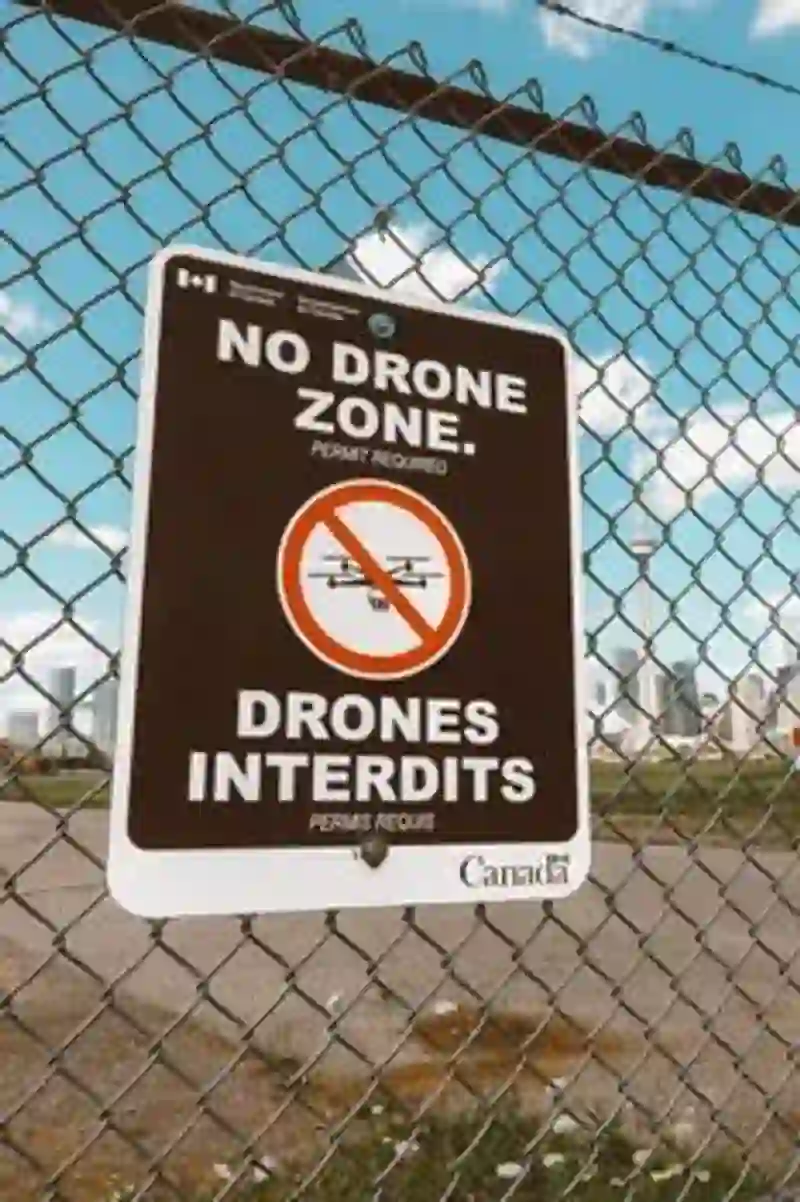
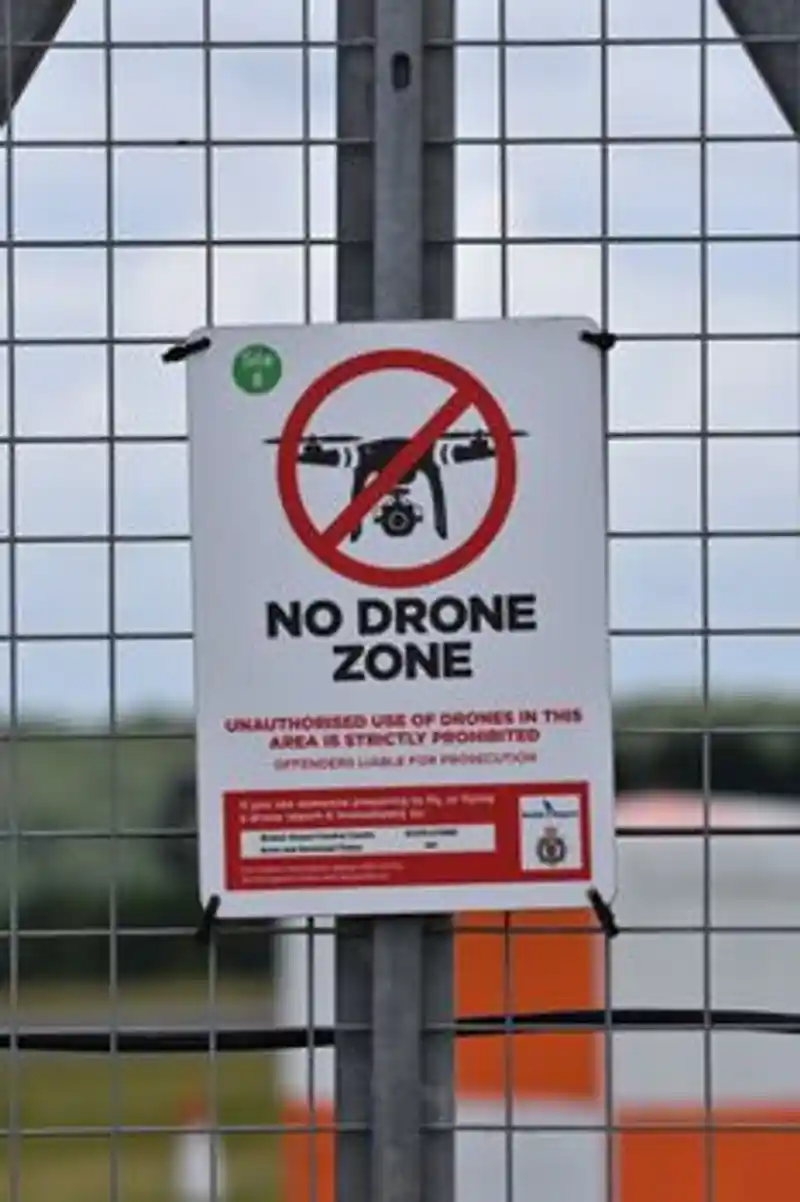
Indonesia drone laws strictly define areas where drone operations are prohibited or restricted. These no-fly zones are established to protect sensitive locations and ensure public safety. Key areas include airports, military installations, presidential palaces, and critical infrastructure. Flying in these zones without authorization can lead to severe penalties, including imprisonment. Understanding these boundaries is crucial for all operators.
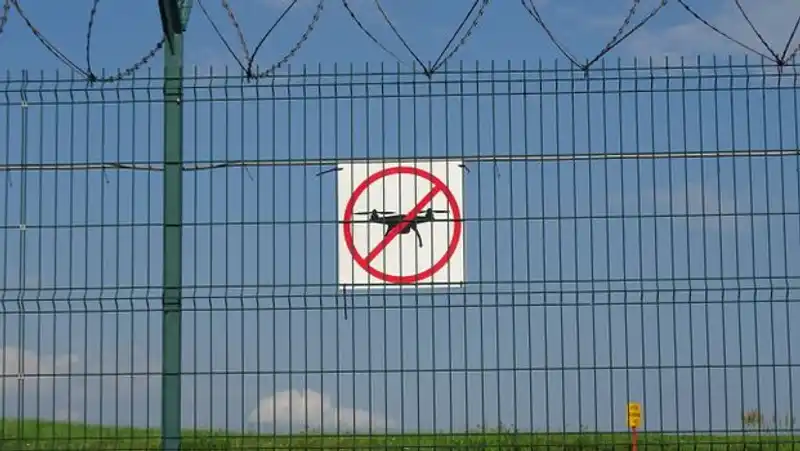
The DGCA publishes maps and guidelines detailing these restricted airspaces. Operators must consult these resources before every flight. Technology also aids in this, with many drone apps providing real-time airspace information. This is especially important as drone technology advances, with applications ranging from photography drones to complex military systems like jellyfish drone formations.
Temporary flight restrictions may also be imposed for public events or security reasons. Staying informed about local advisories is therefore essential. This proactive approach to airspace management ensures that drones operate harmoniously with other aviation activities. It prevents potential conflicts and enhances overall aviation safety. This aligns with broader efforts in airspace management.
Specific Restrictions and Waivers
Certain operations require special permission or waivers from the DGCA. Flying beyond visual line of sight (BVLOS) is one such case. This is essential for long-range surveillance or delivery operations, similar to those explored by surveillance drones. Obtaining a BVLOS waiver involves a rigorous safety case demonstrating how risks will be managed.
Operations over people or moving vehicles also fall under restricted categories. These are typically permitted only under specific conditions or with appropriate waivers. The regulations aim to minimize risks to the public. This is a global concern, as seen in discussions around drone swarm technology and its potential impact.
Night operations are another area with specific rules. While generally permitted under CASR Part 107 with appropriate training and drone lighting, specific Indonesian regulations might impose further limitations. Pilots must always verify the latest directives before planning any flight. This ensures full adherence to all legal requirements.
The Future of Drone Regulations in Indonesia
As drone technology rapidly evolves, Indonesia’s regulatory landscape continues to adapt. The government recognizes the immense potential of drones across various sectors. This includes logistics, agriculture, disaster management, and entertainment. Future regulations will likely focus on enabling more advanced operations. This includes expanding BVLOS capabilities and integrating drones into the broader air traffic management system.

The ongoing development of UU Nomor 21 Tahun 2025 concerning Airspace Management provides a supportive environment. This law aims to streamline processes and foster the growth of the drone industry. It signifies a commitment to embracing innovation responsibly. This forward-looking approach is vital for Indonesia to leverage drone technology effectively. It positions the nation for leadership in the technology sector.
In conclusion, understanding and complying with Indonesia drone laws is paramount. Regulations like Minister of Transportation No. 37/2020 and CASR Part 107 provide a robust framework. They ensure safety, security, and responsible operation. As the drone industry grows, staying informed about regulatory updates is crucial. This proactive engagement will allow individuals and businesses to harness the full potential of drones legally and safely.
For personalized guidance and expert advice on navigating the complexities of Indonesia drone laws, don’t hesitate to reach out. Hubungi UAS Daily via WhatsApp today to ensure your drone operations remain compliant and efficient.