


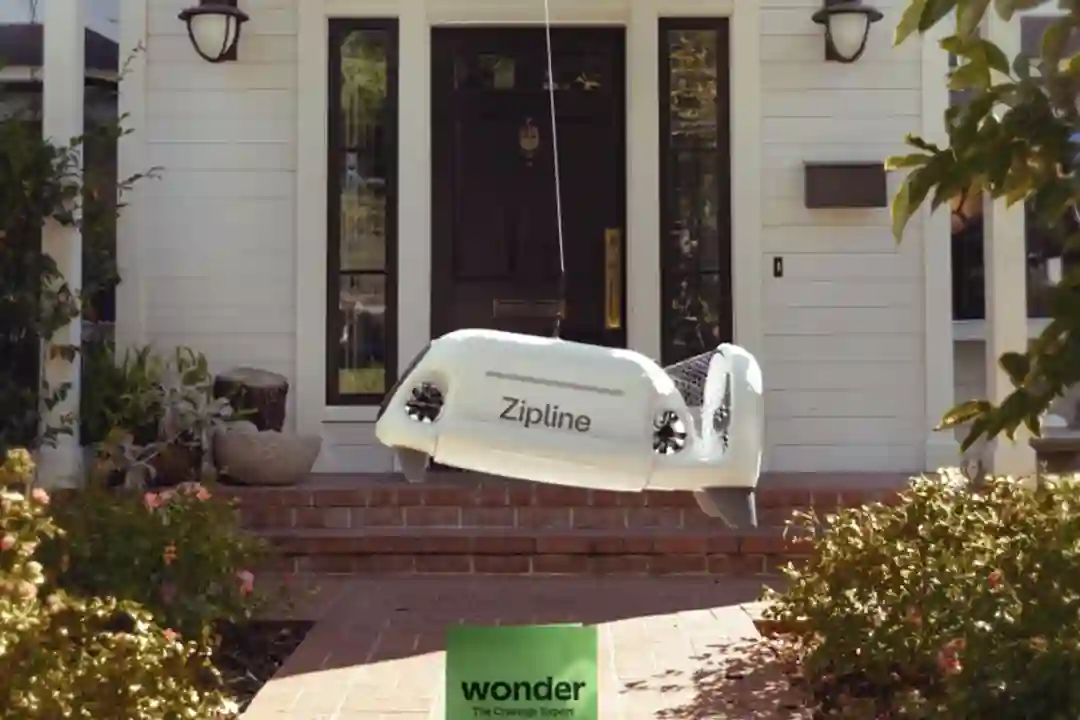
SAN FRANCISCO, CA – Autonomous drone delivery has reached a critical economic milestone, with Zipline reporting its cost per delivery is now lower than human-driven car delivery. Keller Rinaudo Cliffton, co-founder and CEO of Zipline, revealed that the fully burdened cost per delivery has dropped to approximately $12, down from $300 in 2016. This figure now places drone delivery below the expense of instant delivery via traditional vehicles.
Cliffton, speaking on Sequoia Capital’s Training Data podcast, stated that Zipline, which has logged over 140 million commercial autonomous miles without a single safety incident, currently conducts around 5,000 flights daily. The company projects an increase to over 30,000 daily flights by the end of 2026 and aims for one million daily flights in the future.

This economic shift is attracting significant customer interest. In Dallas, one customer reportedly placed 350 orders within a year. Large partners are now seeking capacity for millions of deliveries per day, signaling a growing demand for scalable drone logistics. This development underscores the potential for Low-Altitude Economy Ecosystems Shaping Future Industries.
Vertical Integration Fuels Cost Reduction
Zipline attributes its dramatic cost reduction to an aggressive strategy of vertical integration. The company designed 700 unique components from scratch and built a triple-redundant flight computer architecture leveraging smartphone supply chain economics. This approach allowed the hardware startup to overcome a decade of skepticism and now compete directly with established human logistics operations.
“It is now more cost effective to use a robot in logistics than it is to use a human,” Cliffton said, emphasizing the unambiguous economic advantage. He noted that the aircraft itself was never the most challenging aspect of their operations, despite the complexity of airborne autonomous systems.
Expansion into Food Delivery with Wonder
Further demonstrating its expanding capabilities, Zipline is partnering with Wonder to deliver takeaway meals in their original packaging via drone across Texas, USA. Starting January 2027, select Wonder locations will offer on-demand drone delivery services. Zipline’s electric drones will autonomously receive orders and transport them “quietly” to customers’ doorsteps.
This collaboration is designed to integrate seamlessly into existing kitchen workflows without requiring significant infrastructural changes or specialized packaging. The drone delivery system is expected to serve areas underserved by traditional delivery models, reducing transit times and ensuring fresher, higher-quality meals.
Tony Hoggett, CEO of Wonder North America, highlighted the partnership as a way to “push the boundaries of what’s possible,” combining Wonder’s food technology platform with Zipline’s drone capabilities to reach customers more efficiently. Chris Kenney, Zipline’s head of National Partnerships, added that the system allows restaurants to offer their full menu with confidence, knowing meals will arrive as intended, unaffected by traffic.
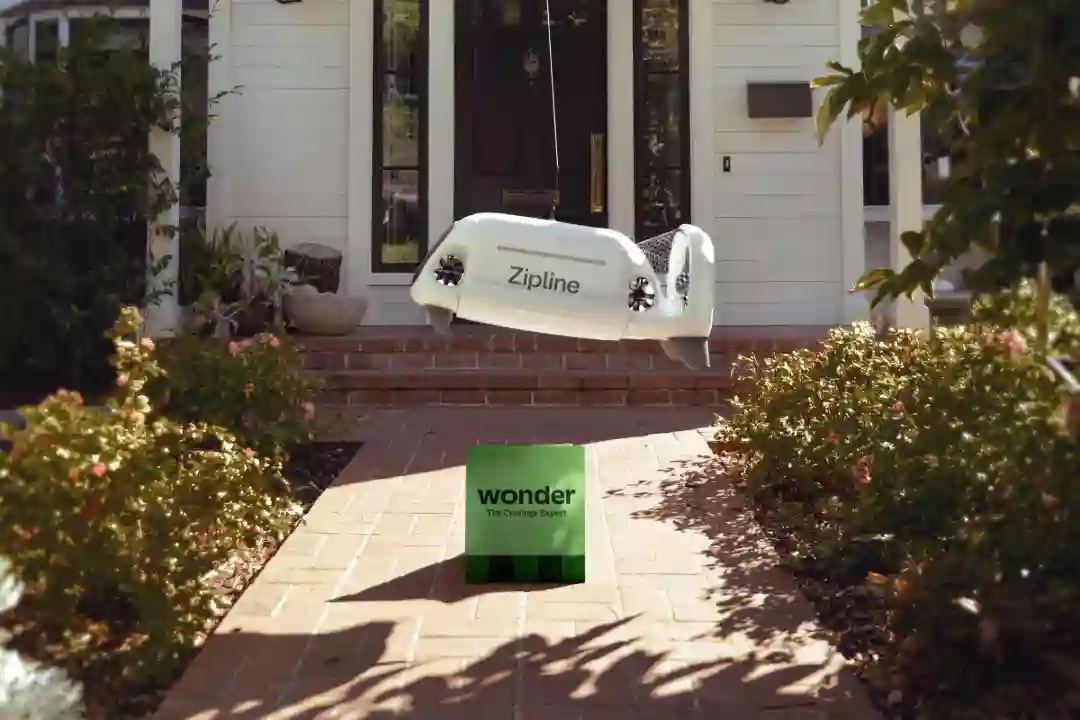
Texas has been identified as an ideal environment for scaling Wonder’s delivery network due to its geography and metropolitan growth. Wonder is currently establishing the necessary infrastructure in Dallas, including storefront construction and advanced logistics, with most of its Texas locations anticipated to offer drone delivery by the end of 2027. This initiative, alongside other commercial drones applications, signifies a major step in the evolution of last-mile logistics.
The implications of Zipline’s economic breakthrough extend beyond mere convenience, suggesting significant shifts for the logistics industry, regulatory frameworks, and labor economics in last-mile delivery. The company’s trajectory indicates that autonomous logistics is transitioning from experimental stages to commercial inevitability, potentially reshaping how goods are transported globally.