




More than 300 drones have been seized near World Cup sites across the United States since the major international soccer tournament kicked off on June 11. This significant number of seizures highlights the stringent airspace security measures in place for the event. Government agencies are actively enforcing no-drone zones around stadiums and fan gatherings to ensure public safety and prevent unauthorized aerial activity.
The Transportation Security Administration (TSA) confirmed the seizure of over 300 unmanned aerial vehicles (UAVs) in a statement earlier this week. This proactive enforcement demonstrates the government’s commitment to maintaining secure airspace during the high-profile sporting event. Unauthorized drone flights pose a significant risk, and authorities are taking a firm stance to mitigate these potential threats.
These seizures are part of a comprehensive airspace security effort, described as the most extensive in U.S. history for a FIFA World Cup. The Federal Aviation Administration (FAA) has established strict regulations, barring drones from flying over matches and associated public viewing areas. Violators face substantial penalties, including hefty fines and potential criminal charges.
The FBI’s Miami field office, for instance, has already taken action against drone operators. According to NBC News, the office issued tickets to 49 individuals for unauthorized flights and confiscated 54 drones within Florida alone. This indicates a targeted and robust enforcement strategy across various regions hosting World Cup events.
Strict Airspace Restrictions and Enforcement
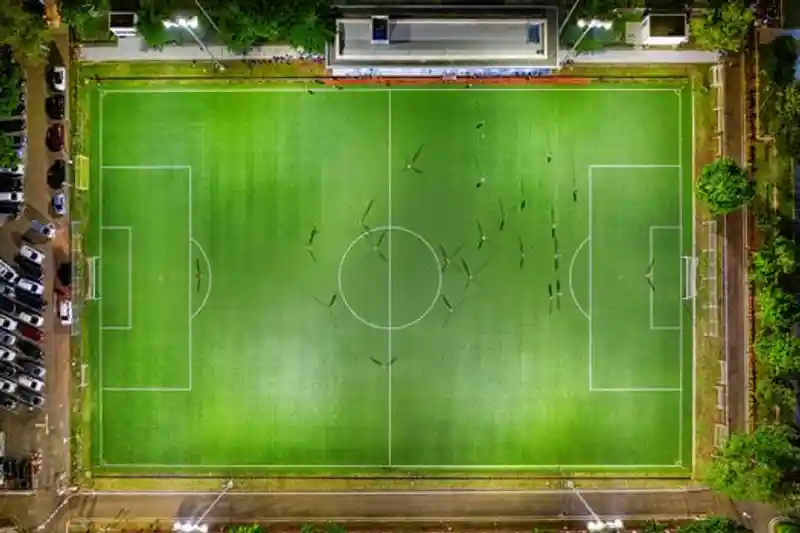
The FAA has declared stadiums and surrounding event spaces as strict “No Drone Zones” for the duration of the World Cup. This prohibition applies to all aircraft, including drones, on match days. Specifically, all drone operations are banned within a three-nautical-mile radius of stadiums and up to 3,000 feet above ground level. Any exceptions require explicit authorization from air traffic controllers.
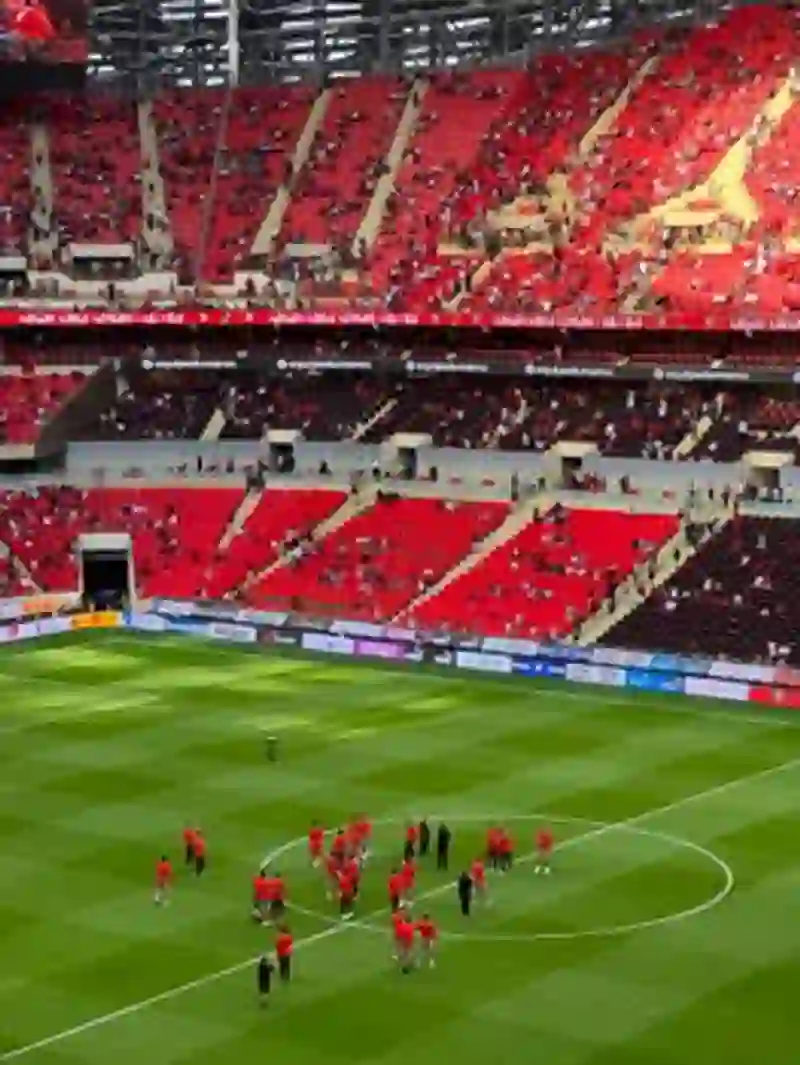
Furthermore, restrictions extend to fan gatherings and public viewing areas. At these locations, drones are prohibited within a one-nautical-mile radius and up to 1,000 feet above ground level. This layered approach ensures comprehensive coverage and minimizes opportunities for unauthorized drone incursions into sensitive areas. The TSA emphasized that enforcement is both swift and proactive, leaving little room for error.
The government’s commitment to securing the airspace is underscored by the formation of a White House Task Force. This task force collaborates with various agencies, including the FBI, Department of Homeland Security (DHS), TSA, and FAA, alongside state and local law enforcement. This multi-agency cooperation is crucial for the successful implementation of such an extensive security operation.
Penalties for Violators and Technological Countermeasures
Drone operators who disregard these regulations and enter restricted airspace without approval face severe consequences. As reported by The Detroit News, civil penalties can reach up to $75,000, while criminal fines may extend to $100,000. In addition to substantial financial penalties, violators may also face federal criminal charges and immediate arrest, with their drones subject to confiscation.
The FBI has deployed specialized teams around World Cup stadiums. These teams are equipped to detect and disable unauthorized drones, providing an immediate response capability. This technological and human intervention strategy is designed to neutralize threats before they can materialize. The proactive measures align with broader efforts to bolster U.S. defenses against potentially threatening drones, building on initiatives like President Donald Trump’s executive order from the previous year.
While federal officials have not yet released a detailed breakdown of seizures by host city or the total number of arrests, the overall figure of over 300 seized drones speaks volumes about the scale of the enforcement effort. The sheer volume suggests a significant number of individuals attempting to operate drones in restricted areas, necessitating the robust response from authorities.
The Growing Challenge of Drone Security
The incident at the World Cup highlights the increasing challenge posed by the proliferation of drones and the need for effective counter-UAS (cUAS) technology. As drones become more accessible and sophisticated, their potential for misuse in sensitive environments, such as major sporting events, grows. This situation is not unique to the World Cup and is a growing concern for security agencies worldwide.
The development and deployment of advanced cUAS technology are becoming increasingly critical. Solutions that can detect, track, and neutralize unauthorized drones are essential for protecting critical infrastructure, public gatherings, and national security interests. This ongoing challenge is driving innovation in the drone defense sector, with companies developing sophisticated systems to counter aerial threats.
The efforts at the World Cup reflect a broader trend in airspace management and drone regulation. Countries around the globe are grappling with how to integrate drones safely into their airspace while mitigating risks. For instance, Indonesia’s Airspace Management Law, enacted in 2025, aims to support its domestic drone ecosystem while ensuring safety and security. Similarly, the advancements in drone technology, such as drone swarm technology and AI, while offering military advantages, also necessitate robust counter-measures.
Global Implications and Future Trends
The World Cup drone seizures serve as a stark reminder of the evolving landscape of security in the age of ubiquitous drone technology. The use of drones in various contexts, from commercial applications like those offered by DJI, to military applications such as those seen in the Ukraine conflict, demonstrates their versatility and the parallel need for effective oversight and control.

The international nature of the World Cup means that the security measures implemented in the U.S. are being closely watched by other nations. As other major events approach, lessons learned from this tournament’s drone security operations will undoubtedly inform future strategies. The constant innovation in drone technology, from FPV drones used in simulations like FPV Kamikaze Drone Steam Simulation Reviewed, to surveillance drones like the Q4 Surveillance Drone, demands continuous adaptation from security agencies.
Looking ahead, the sophistication of drone threats may increase. Incidents involving advanced drone formations, such as Iran’s ‘Jellyfish’ drone formation mentioned in reports concerning its war technology and hypothetical scenarios like Iran downs US jet, highlight the potential for coordinated aerial attacks. This underscores the importance of ongoing investment in research and development for counter-drone systems and robust regulatory frameworks. The proactive stance taken by U.S. agencies during the World Cup is a significant step in managing these complex security challenges.
The extensive seizure of drones near World Cup venues underscores a critical point: the skies above major public events are heavily monitored and regulated. While the allure of capturing unique aerial footage or engaging in unauthorized flights might tempt some, the consequences are severe. Authorities are committed to ensuring the safety and security of the tournament, and this includes maintaining strict control over airspace. As reported by NBC News, the FBI’s actions in Florida are just one example of the widespread enforcement occurring across the nation.
The global community continues to navigate the dual nature of drone technology—its immense potential for good and its capacity for harm. The events at the World Cup serve as a clear signal that adherence to regulations is paramount. The ongoing efforts to secure airspace for major international events reflect a growing global understanding of the need for comprehensive drone management strategies. This situation is reminiscent of concerns raised by drone activity in other contexts, such as the Moscow drone attack, which brought the reality of aerial threats closer to home.
Ultimately, the more than 300 drone seizures near World Cup sites are a testament to the effectiveness of coordinated law enforcement and regulatory oversight. The TSA and its partner agencies are committed to protecting the integrity of the airspace, ensuring a safe and secure environment for athletes, fans, and the public alike. This proactive approach is essential as drone technology continues to evolve and integrate into various aspects of society, from entertainment, as seen with the concept of a Buzz Lightyear drone, to critical national security operations.