


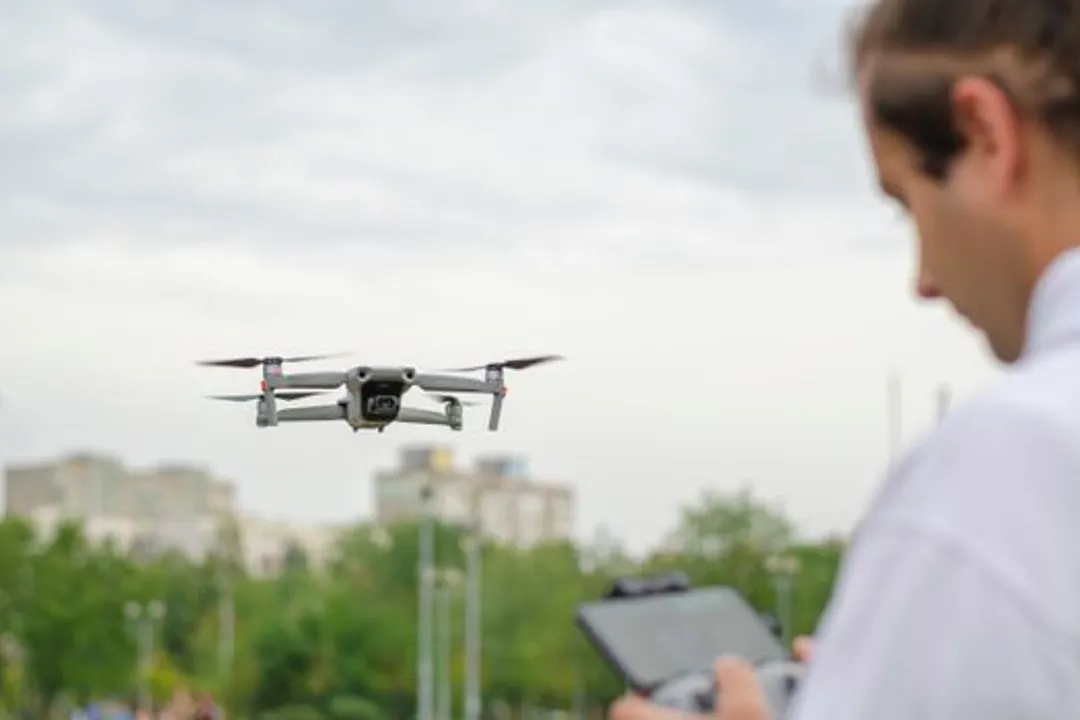
The Low-Altitude Economy is rapidly expanding in 2026. It unlocks vast new opportunities. This sector thrives on innovation and skilled professionals. Drones are at the forefront of this revolution. They enable new services and industries. Understanding this dynamic market is crucial for future growth.
This burgeoning economy relies heavily on advanced technologies. Drones, in particular, are transforming various sectors. From logistics to inspection, their applications are limitless. However, realizing this potential requires a skilled workforce. This is where specialized training becomes indispensable.
The demand for adept drone pilots and technicians is skyrocketing. Companies need professionals who can operate drones safely and effectively. They must also understand the complex regulatory landscape. Without proper training, this critical sector faces significant hurdles.
This article explores the vital role of drone training institutions. We will examine how they empower the Low-Altitude Economy. Their contribution is essential for sustained development and innovation.
The Expanding Landscape of the Low-Altitude Economy
The Low-Altitude Economy encompasses all activities conducted using drones. This includes commercial, industrial, and public sector applications. It operates within the airspace below 400 feet. This distinct economic domain is experiencing exponential growth.
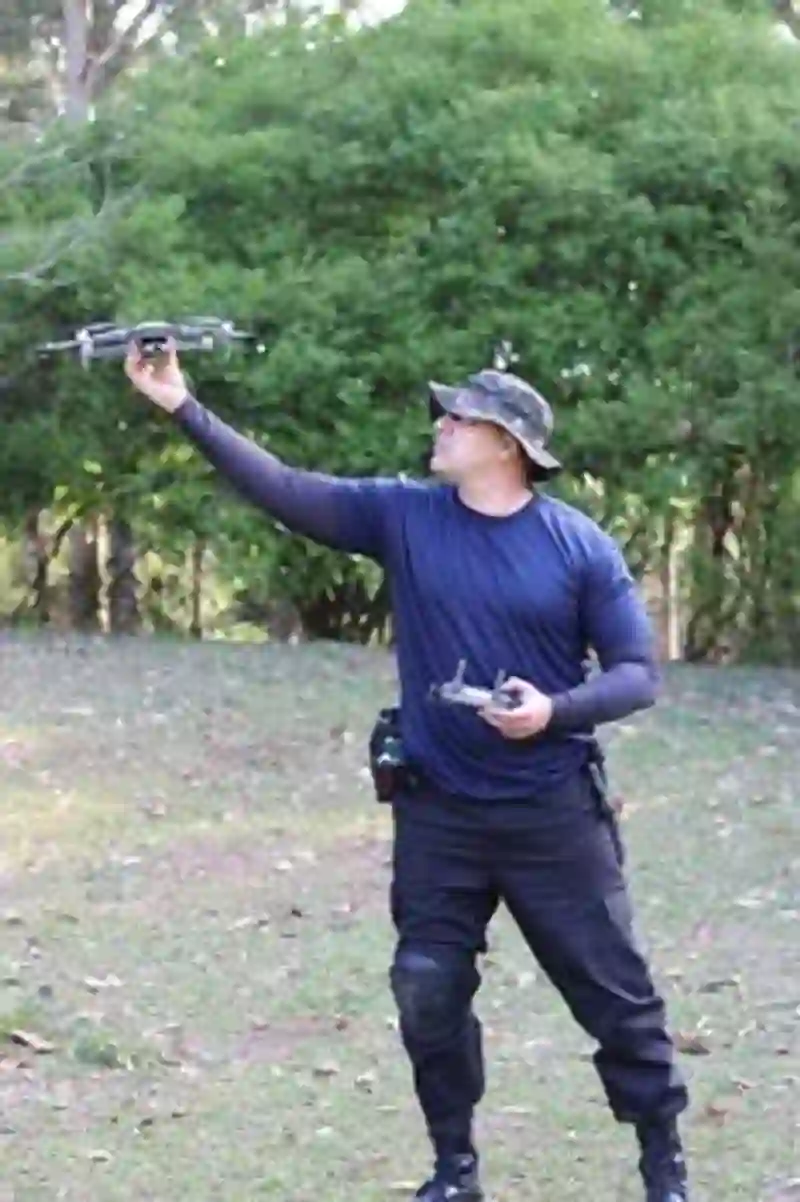
Consider the impact on logistics and delivery services. Companies are leveraging drone cargo for remote areas. They provide faster and more efficient transportation. This is particularly true in regions like Indonesia’s 3T areas. Furthermore, various industries use drones for inspection and monitoring.
Agriculture benefits from precision farming techniques. Drones monitor crop health and apply treatments precisely. Construction sites use them for surveying and progress tracking. Public safety agencies deploy drones for search and rescue missions. Even entertainment uses drone light shows for spectacular events.
The Critical Need for Skilled Drone Operators
The rapid growth of the Low-Altitude Economy creates a significant demand. This demand is for highly skilled and certified drone operators. Operating drones safely requires extensive knowledge. It also necessitates practical experience in diverse scenarios.
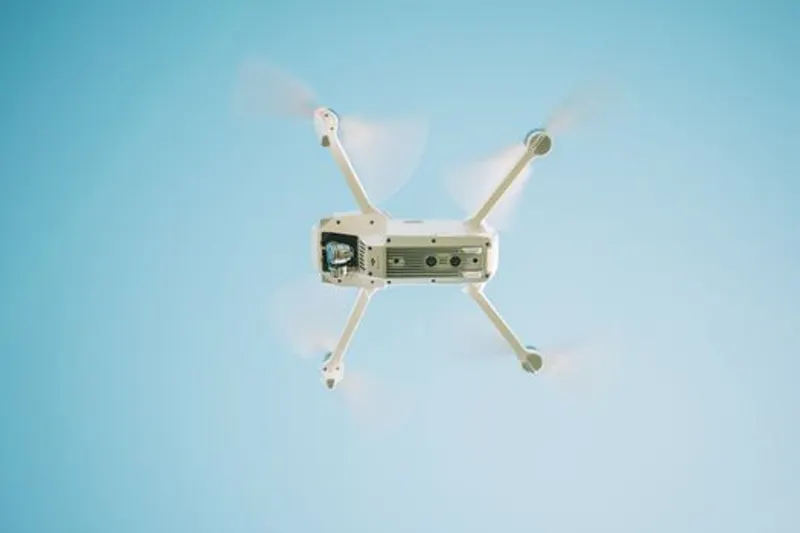
Pilots must understand aerodynamics, weather patterns, and flight controls. They also need expertise in payload operation and data management. Moreover, adherence to aviation regulations is paramount. For instance, UU Nomor 21 Tahun 2025 Airspace Management in Indonesia sets clear guidelines. Training ensures operators meet these standards.
Beyond basic piloting, specialized skills are increasingly valuable. This includes advanced maneuvering for complex tasks. It also covers data analysis for actionable insights. The Q4 Surveillance Drone, for example, requires trained personnel for effective ISR missions.
How Drone Training Institutions Empower the Low-Altitude Economy
Drone training institutions are the backbone of the Low-Altitude Economy. They provide structured education and hands-on experience. These programs equip individuals with the necessary skills. They also foster a culture of safety and responsibility.

Reputable training centers offer comprehensive curricula. These often cover topics like flight theory and regulations. They also include practical flight training sessions. Students learn to operate various drone types. This includes commercial drones and specialized platforms. For example, training might cover DJI drones, which hold significant market share.
Furthermore, these institutions play a role in certification. Many offer courses aligned with industry standards. This helps pilots gain the necessary credentials. These certifications are often required for commercial operations. They validate a pilot’s competence and adherence to safety protocols. This is crucial for industries like business and industry.
Specialized Training for Emerging Drone Applications
The Low-Altitude Economy is not static. New applications emerge constantly. Drone training must evolve to meet these changing needs. Specialized courses are becoming increasingly important.
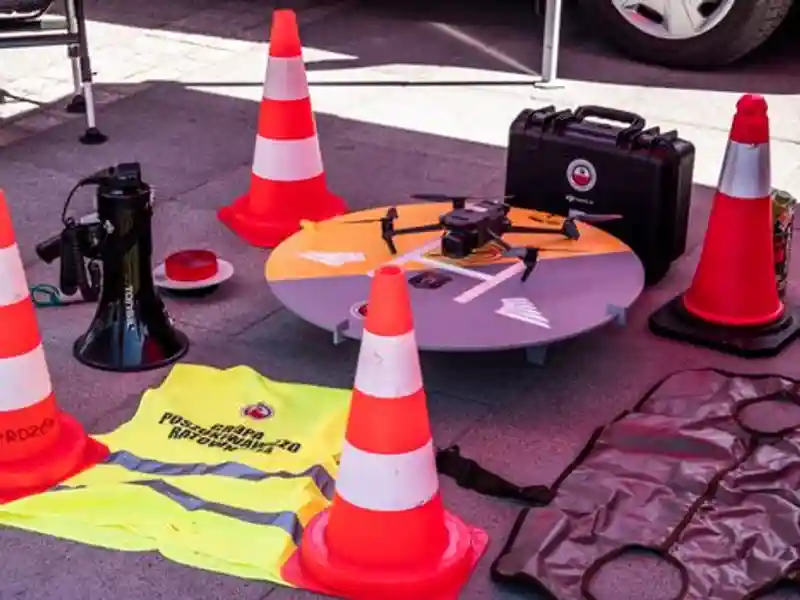
For instance, the use of FPV drones is expanding beyond hobbyists. In defense, FPV drones for anti-drone warfare are critical. Training programs now offer advanced FPV piloting techniques. They cover tactical applications and specific mission profiles. This is vital for the defense sector.
Other specialized training areas include night operations, BVLOS (Beyond Visual Line of Sight) flights, and drone swarm technology. As seen in drone swarm technology and AI, complex systems require expert operators. Training institutions bridge this skill gap, enabling advanced drone integration.
Regulatory Compliance and the Role of Training
Navigating the complex web of drone regulations is a significant challenge. Effective training programs emphasize regulatory compliance. They educate operators on local and international aviation laws. This ensures safe and legal drone operations.
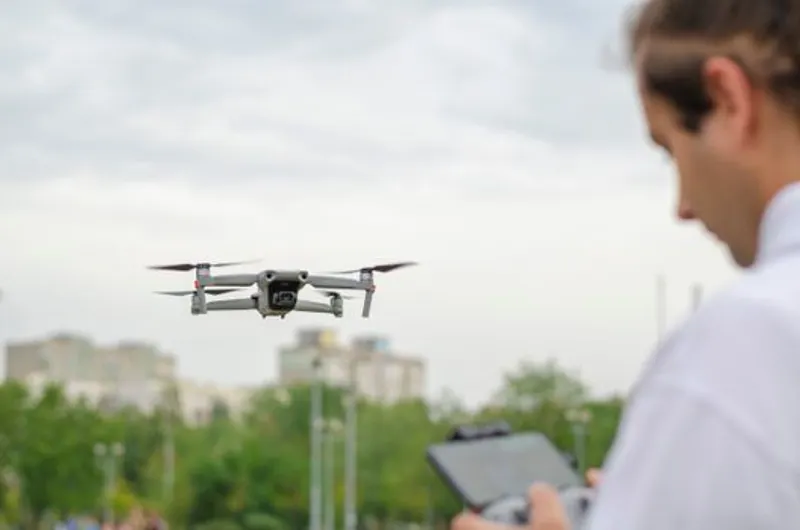
In Indonesia, Indonesia Drone Laws are evolving. Understanding rules like UU Nomor 21 Tahun 2025 is essential. Training providers help operators stay updated. They ensure adherence to rules set by bodies like the Ministry of Transportation.
Compliance is not just about avoiding penalties. It is fundamental to public safety and airspace integrity. This is why many training programs include modules on airspace management. They prepare pilots for scenarios like the United flight drone encounter. Training promotes responsible operation, preventing such incidents.
Bridging the Skills Gap for Industry Growth
The skills gap in the drone industry is a major bottleneck. Many businesses struggle to find qualified personnel. Drone training institutions directly address this issue. They create a pipeline of talent for the Low-Altitude Economy.
By providing accessible and high-quality training, they democratize access to drone technology. Aspiring pilots from various backgrounds can acquire the necessary skills. This fosters a more diverse and inclusive drone workforce. Consider the story of the Jombang Farmer who uses drones, showcasing accessibility.
Moreover, these institutions often collaborate with industry partners. This ensures their training programs remain relevant. They adapt curricula to meet current and future industry demands. This collaboration is vital for sustained growth in the technology sector.
The Future of Drone Training and the Low-Altitude Economy
The future of the Low-Altitude Economy is intrinsically linked to advancements in drone training. As technology evolves, so too must educational approaches.
We anticipate more integration of AI and automation in training. Virtual reality (VR) and augmented reality (AR) will offer immersive learning experiences. This can simulate complex scenarios safely. Think of FPV drone simulations becoming standard practice.
Furthermore, training will likely become more specialized. Focus will shift towards niche applications like advanced surveying, infrastructure inspection, and emergency response. The ongoing development in areas like drone swarm technology will necessitate new training paradigms.
The Low-Altitude Economy is a dynamic and rapidly evolving sector. Its continued growth and success hinge on a skilled and well-trained workforce. Drone training institutions are not merely educational providers. They are essential enablers of innovation and economic progress.
By offering comprehensive, specialized, and up-to-date training, these institutions empower individuals. They equip them with the skills to operate safely and effectively. This directly fuels the expansion of new industries and services. Their role is critical in unlocking the full potential of drone technology.
As the Low-Altitude Economy continues its upward trajectory, the importance of robust drone training will only increase. Investing in education is investing in the future of this exciting economic frontier.
Ready to navigate the complexities of the Low-Altitude Economy? Understanding the training requirements is the first step towards success. We encourage you to reach out for expert guidance. Please feel free to contact Liu Purnomo at liu@drone.co.id for a complimentary consultation. Let’s explore how we can support your journey in this innovative field.