



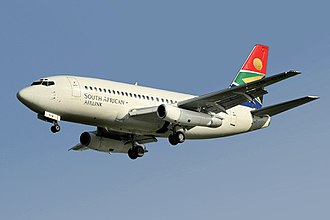
KARACHI, PAKISTAN – A Boeing 737 cargo aircraft operated by K2 Airways, carrying five crew members, is presumed to have crashed into the Arabian Sea off the coast of Pakistan. The aircraft, en route to Karachi from Sharjah, UAE, reported navigation system issues before flight tracking data indicated erratic altitude changes and a rapid descent on Tuesday night.
Pakistani authorities have initiated a coordinated sea search and rescue operation involving multiple agencies to locate the missing aircraft and its crew. The cause of the incident remains under investigation.
Erratic Flight Path and Sudden Descent
According to flight tracking service Flightradar24, initial data suggests the 27-year-old modified cargo plane likely went down southwest of Karachi. The aircraft experienced a series of sharp altitude changes followed by a steep plunge in the final stages of its flight.
Air traffic control (ATC) at Karachi received a report from the cargo plane at approximately 9:18 PM local time on Tuesday, indicating a problem with its navigation system. ATC attempted to guide the aircraft, but radar systems showed a rapid loss of altitude and a sharp change in direction three minutes later, at 9:21 PM, before communication was lost. The last recorded position placed the aircraft approximately 287 kilometers west of Karachi, over the Arabian Sea.
Flightradar24 data detailed a drastic altitude drop of about 5,000 feet (1,524 meters) in less than a minute, followed by an ascent of 6,000 feet (1,828 meters) within 30 seconds. The aircraft then began a sharp dive from an altitude of 36,550 feet (11,140 meters). The final data point indicated the plane at 1,100 feet (335 meters) above sea level, with a vertical descent rate of minus 22,400 feet (6,827 meters) per minute, or approximately 400 kilometers per hour. This rate of descent is considered highly unusual and indicative of a severe anomaly.
Technical Details and Previous Operations
Flightradar24 noted that while the tracking data indicates a “likely crash,” the aircraft experienced Global Navigation Satellite System (GNSS) interference shortly after takeoff from Sharjah, which may have affected tracking accuracy. The incident highlights the critical reliance on robust navigation systems in modern aviation and the potential vulnerabilities when these systems are compromised.
The Boeing 737, which was assembled in 1999, had previously operated as a passenger aircraft before being converted for cargo operations in 2012. This modification process is common in the commercial drones and cargo industry, extending the operational life of older airframes.
The disappearance of the K2 Airways flight underscores the inherent risks in air freight operations, particularly over vast expanses of water. While the incident involves a manned aircraft, the broader industry is increasingly looking towards autonomous and unmanned systems for cargo delivery, as seen in discussions around Drone Cargo For Indonesia’s 3T Regions and the development of the Low-Altitude Economy Ecosystems Shaping Future Industries. Such incidents often prompt renewed scrutiny of aircraft maintenance, operational protocols, and emergency response capabilities.