



Germany has officially accused Russia of orchestrating a failed drone attack on Leipzig/Halle Airport on August 4, escalating diplomatic tensions between the two nations. The German government stated it holds Moscow responsible for the incident, which involved an explosive-laden drone discovered near a Ukrainian cargo plane. In response, Germany summoned Russia’s ambassador and ordered the closure of two Russian institutions.
The accusation marks a significant step, ending weeks of speculation and demonstrating Germany’s firm stance against what it terms “dangerous behaviour” by Russia. This alleged attack is viewed by German officials as part of a broader pattern of Russian hybrid operations aimed at destabilizing Europe. Russia has vehemently denied the accusations, with President Vladimir Putin suggesting Berlin had fabricated evidence.
The drone, found in the airport’s security area, was equipped with explosives and a detonation mechanism. Authorities believe a second drone may have also been involved, potentially colliding with a DHL aircraft. German federal prosecutors have described the incident as a “serious attack on Germany’s transport and logistics infrastructure.” The evidence presented by German investigators points to agents controlled by Russian state entities.
The German government’s formal statement came after a press conference where Interior Minister Alexander Dobrindt and Foreign Minister Johann Wadephul detailed the findings. They emphasized that the drone’s configuration, components, and explosives are consistent with those used in previous Russian hybrid operations and in the ongoing conflict in Ukraine. This alleged drone attack underscores the evolving nature of conflict and the increasing use of unmanned aerial systems in geopolitical disputes.
German Government Attributes Attack to Russian State Actors
German Interior Minister Alexander Dobrindt stated unequivocally that the federal government concludes Russia is responsible for the hybrid attack in Leipzig. He detailed how investigators found proof that the individuals controlling the drone were acting on behalf of Russian state entities. This assertion is based on a comprehensive analysis of police investigations and the patterns observed in similar incidents.
Foreign Minister Johann Wadephul further elaborated on the nature of the attack, noting that the means employed—specifically the drone’s configuration, components, explosives, and detonation systems—are familiar from other Russian hybrid operations. He highlighted that the incident fits into a “long series of destabilization operations” targeting Europe. This perspective suggests a coordinated effort by Moscow to disrupt and damage infrastructure across the continent.
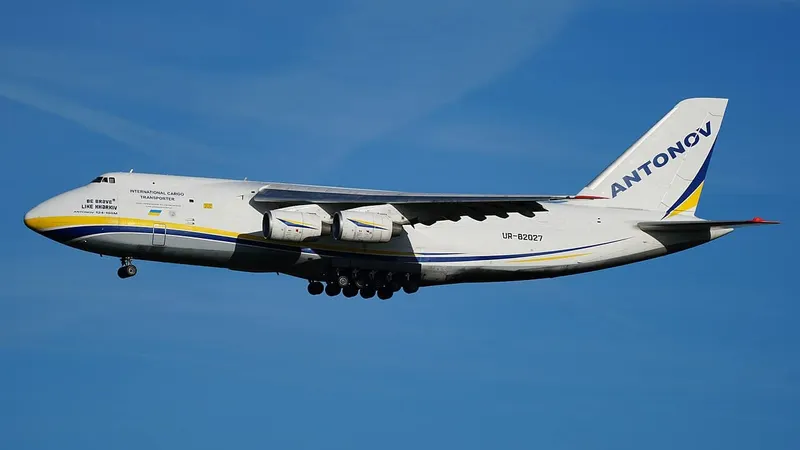
The drone was discovered on the evening of August 4 in the restricted area of Leipzig/Halle Airport. It was found in close proximity to a Ukrainian An-124 cargo plane, which is often used for transporting military equipment. Authorities confirmed the drone was laden with explosives and a detonation mechanism. While it failed to detonate, its potential impact was catastrophic, according to German officials.
Russia Denies Involvement and Criticizes German Response
In response to Germany’s accusations, Russia has rejected the claims, with President Vladimir Putin dismissing the evidence as fabricated. Putin characterized Germany’s response as a “serious mistake,” indicating a strong disagreement with Berlin’s assessment of the incident. This denial mirrors Russia’s typical reaction to accusations of its involvement in hybrid warfare tactics and cyberattacks.
The Kremlin has consistently denied allegations of orchestrating disruptive operations in Europe. Russia’s foreign ministry has previously stated that such accusations are unfounded and part of a broader Western narrative aimed at discrediting Moscow. The denial in this instance further entrenches the diplomatic standoff between Germany and Russia over the Leipzig airport incident.
As reported by Al Jazeera, Russia’s rejection of the claims underscores the deep divisions and mistrust that characterize current international relations. The German government, however, remains firm in its assessment, citing evidence that links the drone operation to Russian state actors. This conflicting narrative highlights the challenges in attributing responsibility for such incidents in the complex landscape of modern conflict.
Broader Implications and Retaliatory Measures
The incident at Leipzig airport is seen by German officials as part of a systematic effort by Moscow to cause significant damage through hybrid attacks. The use of drones, particularly those equipped with explosives, represents an escalation in tactics that blur the lines between conventional and unconventional warfare. This aligns with broader concerns about the increasing use of FPV drones in conflict and the proliferation of drone technology among state and non-state actors.
Foreign Minister Wadephul indicated that Russia would face a package of penalty measures in response to the attempted attack. The specifics of these measures were not immediately disclosed, but they are expected to include diplomatic and potentially economic sanctions. Such actions are intended to deter future aggressions and signal Germany’s resolve in protecting its national security and that of its allies.
The German government’s response also includes the closure of two Russian institutions, a move aimed at curtailing alleged Russian intelligence activities and destabilization efforts within Germany. This action reflects a broader trend of European nations taking a firmer stance against perceived Russian interference. The situation at Leipzig airport is indicative of the wider geopolitical challenges posed by Russia’s actions, as seen in conflicts and incidents across Eastern Europe and beyond.

The incident at Leipzig/Halle Airport, a significant logistics hub in eastern Germany, underscores the vulnerability of critical infrastructure to drone-based attacks. This event is particularly concerning given the airport’s role in cargo transport, including that of Ukrainian military aid. The failed attack raises questions about the security of airspace around such facilities and the effectiveness of current counter-drone measures. As reported by DW, the German federal prosecutors described the incident as a “serious attack on Germany’s transport and logistics infrastructure.”
The German government’s firm accusation against Russia positions this incident as more than just a localized event; it is framed as an element of a larger, ongoing hybrid warfare campaign. This narrative suggests that such attacks are designed to create fear, disrupt operations, and undermine confidence in state security. The implications extend to the broader debate surrounding AI and autonomy in defense systems, and the need for robust international frameworks to govern the use of such technologies.
The discovery of multiple drones, some reportedly loaded with explosives, at the airport in the days following the initial incident, as reported by German media, adds another layer of complexity. While authorities believe a second drone may have collided with a DHL aircraft, the presence of a third drone also loaded with explosives suggests a sustained or repeated effort. This raises concerns about the sophistication and persistence of the actors involved, and the potential for future, more successful attacks. The investigation into the precise capabilities and origins of these devices is ongoing, with Germany committed to uncovering the full extent of the operation and holding those responsible accountable.
The geopolitical ramifications of Germany’s accusation are significant. It signals a potential hardening of relations between Berlin and Moscow and could influence broader European security policy. The incident also highlights the growing importance of drone security and counter-drone technologies, an area seeing rapid development and investment globally. Companies like DroneShield are at the forefront of developing solutions to detect and neutralize aerial threats.
Furthermore, the nature of the attack—using a drone to target critical infrastructure and potentially disrupt military logistics—echoes concerns raised by other recent incidents. For instance, Ukraine has launched massive drone attacks across Russian territory, and similar tactics have been employed in other conflict zones. The Leipzig incident, however, is distinct in that it is attributed to a state actor targeting a European nation’s infrastructure, marking a significant escalation of hybrid warfare tactics within the continent.