



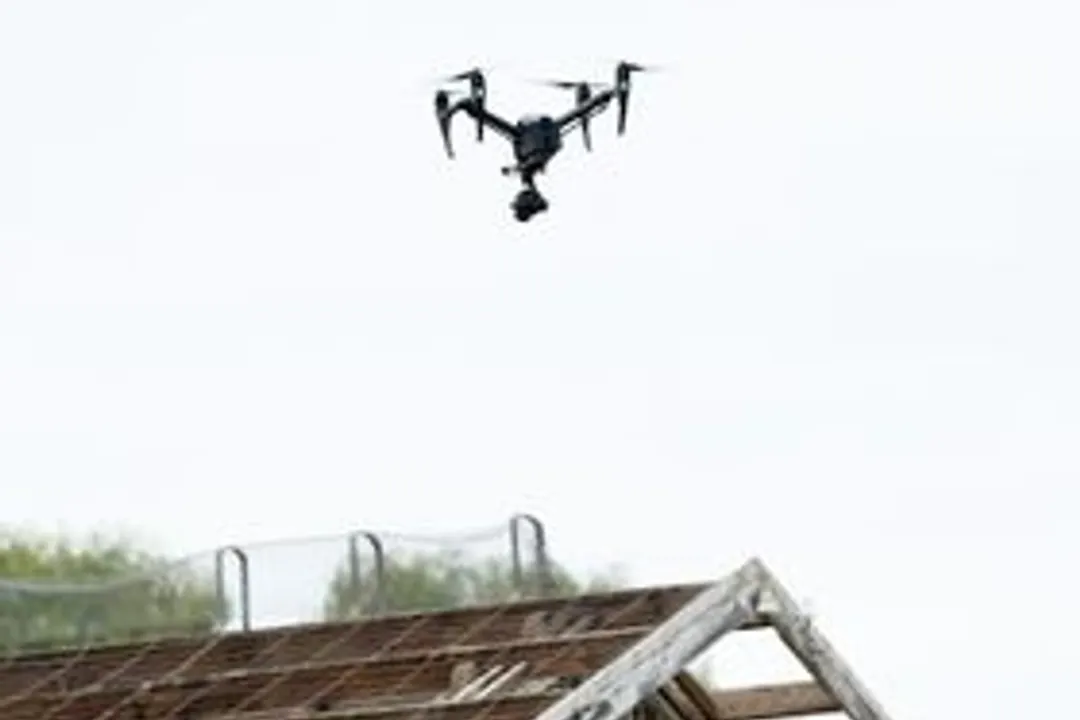
New Section 232 drone tariffs have been implemented, significantly altering import duties on unmanned aircraft systems (UAS) and their components. President Trump issued a proclamation on August 13, 2026, establishing these new tariffs following a Department of Commerce investigation. These measures, which took effect on September 3, 2026, aim to address national security concerns related to the import of drones.
The investigation, initiated in July 2025, concluded that imports of UAS and their parts and components threaten to impair the national security of the United States. As a result, a tiered tariff structure has been put in place, with rates ranging from 25% to 100% depending on the drone’s capabilities, weight, and country of origin. This action reflects a broader trend of using trade policy to bolster domestic industries deemed critical for national security.
According to The White House, the Secretary of Commerce advised the President that UAS and UAS components are essential to the national and economic security of the United States. Drones are recognized as a key technology in modern armed conflict, underscoring the administration’s rationale for imposing these tariffs.
The proclamation cites Section 232 of the Trade Expansion Act of 1962, which authorizes the President to adjust imports of articles that threaten national security. The tariffs are intended to encourage domestic production and reduce reliance on foreign sources for critical drone technology. This move is expected to have a substantial impact on importers, manufacturers, and consumers within the drone industry.
Tariff Structure and National Security Rationale
The newly imposed Section 232 tariffs create a distinct rate structure based on specific criteria. Drones identified as posing a higher national security risk face the highest tariff rates. These include units with a maximum takeoff weight (MTOW) exceeding 25 kilograms, as well as those integrating thermal imaging systems. Additionally, docking stations for such drones and certain critical components are subject to the same high tariff.
A 100% ad valorem tariff is applied to these sensitive drones and their associated equipment. This significant duty is intended to make imports prohibitively expensive, thereby incentivizing domestic alternatives. As reported by Sandler, Travis & Rosenberg, P.A., the rationale behind these steep tariffs is rooted in the findings of the Commerce Department’s investigation into the national security implications of drone imports.
Furthermore, a 25% ad valorem tariff applies to smaller drones with an MTOW of 25 kilograms or less, provided they lack national security-sensitive features. This category also includes other drone components. This tiered approach acknowledges different levels of perceived risk associated with various types of UAS, while still applying a protective measure to the domestic market.
Impact on Importers and Supply Chains
The implementation of these Section 232 drone tariffs presents significant challenges for U.S. importers and distributors. Businesses that rely on imported drones and components must now contend with substantially higher landed costs. This necessitates a re-evaluation of supply chain strategies, inventory management, and pricing models. As noted by Wiley Law, the tariffs took effect on September 3, 2026, for most affected goods.
Companies are reportedly concerned about the operational impact of these fluctuating duty rates. Traditional ERP systems are often configured for predictable annual duty changes, not for sudden adjustments made by presidential proclamation. This requires significant reconfiguration of costing rules and financial planning processes. The uncertainty surrounding potential future adjustments adds another layer of complexity for businesses operating in this sector.
The tariffs specifically target goods entered for consumption or withdrawn from warehouse for consumption on or after 12:01 a.m. Eastern Time on September 3, 2026. This date marks the effective start of the new duty rates, requiring importers to have their systems and logistics prepared accordingly. The focus of the investigation was on U.S. reliance on foreign, particularly Chinese, sources for drones and critical components, including motors, electronic speed controllers, and lithium-ion batteries.

Preferential Rates and Exemptions
While the tariffs are broadly applied, certain countries benefit from preferential rates, and specific exemptions exist. Drones and components originating from the European Union, Japan, Liechtenstein, South Korea, Switzerland, and Taiwan are subject to a capped 15% all-inclusive tariff. This preferential rate applies provided that substantially all hardware, software, and technologies originate from within these countries and the U.S.
Similarly, drones imported from the United Kingdom face a 10% all-inclusive rate, under the same conditions regarding origin of hardware, software, and technologies. These country-specific rates reflect existing trade relationships and geopolitical considerations. This differential treatment aims to mitigate the impact on allies while still encouraging domestic production.
Moreover, a 180-day grace period has been established for certain critical items. Goods listed on the Department of Defense’s Blue UAS Cleared List or Framework, the FCC’s Conditional Approval List, and an additional subset of drone components will see their tariffs take effect on February 9, 2027. The Department of Commerce retains the authority to classify additional drone components, indicating that the scope of these tariffs may evolve. Some parts for heavy-lift drones intended for agricultural and U.S. Department of War purposes are also excluded from the tariffs.
Broader Implications for the Drone Industry
The imposition of Section 232 tariffs on drones signifies a significant policy shift with far-reaching implications for the global drone industry. This move directly impacts companies like DJI, which has historically dominated the global market share, as mentioned in a recent analysis by UAS Daily. The increased cost of imported drones could create opportunities for domestic manufacturers to expand their operations and market presence.
The tariffs are also likely to influence research and development efforts, potentially accelerating innovation in areas such as drone swarm technology and AI integration, as discussed in other UAS Daily reports. The focus on national security may spur greater investment in domestic capabilities for critical components, aiming to reduce reliance on foreign supply chains, similar to efforts seen in advanced defense technologies like those used by ISRO for their LVM3 rocket as reported by UAS Daily.
For consumers and businesses utilizing drones for various applications, from agricultural spraying to delivery services, the cost increase will be a significant consideration. Companies like Zipline, which have aimed to make drone delivery more cost-effective than traditional methods as highlighted by UAS Daily, may face challenges in maintaining their cost advantages. The long-term effects will depend on the industry’s ability to adapt, innovate, and potentially onshore production, aligning with the broader goals of the low-altitude economy as explored on UAS Daily.
The national security rationale behind these tariffs echoes concerns raised in various contexts, from military applications of FPV drones as detailed by UAS Daily to the use of drones in geopolitical conflicts, such as those in Ukraine reported by UAS Daily. The administration’s decision underscores the growing strategic importance of unmanned aerial systems and the desire to secure domestic leadership in this rapidly evolving technological domain.
The impact on smaller drone manufacturers and hobbyists may also be substantial. While larger drones and those with advanced capabilities are targeted by the 100% tariff, even the 25% tariff on smaller units could affect the affordability of consumer-grade drones, such as those from DJI’s Mini line which have seen price fluctuations. The drone industry, a significant part of the broader technology sector as covered by UAS Daily, is now navigating a new landscape shaped by national security imperatives and trade policy.
The administration’s announcement also comes amidst increasing global scrutiny of drone technology, including regulatory frameworks like the EU AI Act, which poses complex questions for the drone industry’s autonomy and safety features as discussed on UAS Daily. As the industry matures, balancing innovation with security concerns and international trade relations will remain a critical challenge.
Future Outlook and Industry Adaptation
The long-term implications of the Section 232 drone tariffs remain to be seen, but they are expected to drive significant shifts within the industry. Domestic drone manufacturers may experience a surge in demand, potentially leading to expansion and job creation within the United States. Companies that have been investing in onshoring production, such as Anduril Industries exploring potential plant acquisitions as reported by UAS Daily, could see their strategies accelerate.
Conversely, importers and distributors heavily reliant on foreign-manufactured drones will need to adapt quickly. This may involve diversifying supply chains, seeking out exempted components, or investing in domestic manufacturing partnerships. The increased costs could also lead to consolidation within the industry, with smaller players struggling to absorb the higher import duties.
The effectiveness of these tariffs in achieving their stated national security goals will be closely monitored. While they are designed to bolster domestic capabilities, concerns remain about potential retaliatory measures from trading partners or disruptions to critical supply chains. The ongoing evolution of drone technology, including advancements in areas like BVLOS operations for the energy sector as noted by UAS Daily, will continue to shape the strategic importance of domestic drone production.
The administration’s stance reflects a broader trend of leveraging trade policy for national security objectives. This approach has been seen in other sectors, and its application to the drone industry highlights the perceived strategic value of this technology. The future of the U.S. drone market will likely be characterized by a greater emphasis on domestic production, technological self-sufficiency, and a more complex global trade environment. The industry’s ability to navigate these changes will determine its trajectory in the coming years.