



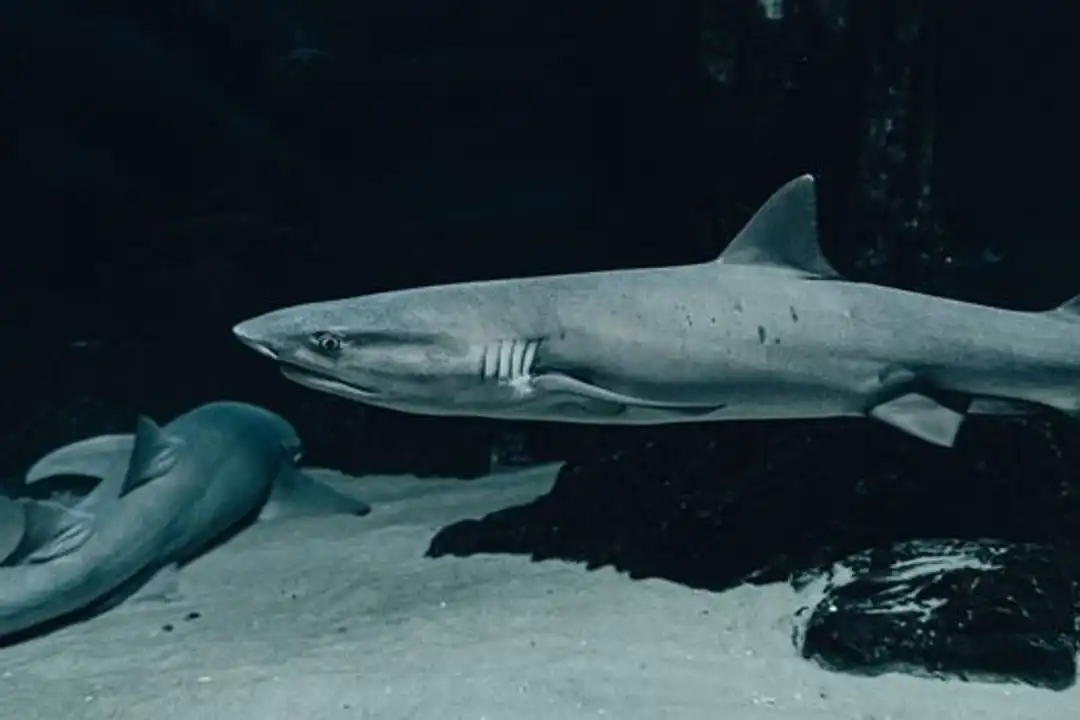
SYDNEY, AUSTRALIA – Authorities at Sydney’s iconic Bondi Beach have activated drone surveillance protocols following a series of great white shark sightings that led to beach closures and public alarm over three consecutive days. The deployment of unmanned aerial systems (UAS) aims to enhance swimmer safety and provide real-time monitoring of marine activity.
The initial sighting, confirmed as a great white shark, triggered mass panic among beachgoers and prompted immediate evacuation of the water, as reported by Sky News Australia. This incident marked the beginning of a heightened alert period for one of Australia’s most famous beaches.
The shark was subsequently sighted for a second and then a third consecutive day, according to Adelaide Now and further reports from Sky News Australia, intensifying concerns among local residents and tourists. These repeated appearances necessitated a more advanced approach to beach safety beyond traditional methods.
Aerial Monitoring for Enhanced Public Safety
The decision to deploy drones reflects a growing trend in coastal management and public safety, where UAS technology offers a versatile and cost-effective solution for monitoring vast areas. These drones, equipped with high-resolution cameras, can quickly scan the water for marine life, providing lifeguards with critical information to make timely decisions regarding beach closures or warnings. This application of commercial drones highlights their utility beyond traditional roles in industries such as agriculture or logistics.
The use of drones for shark detection is not new to Australia, a country with extensive coastlines and a significant marine ecosystem. Several states have trialed or implemented similar programs, demonstrating the effectiveness of aerial surveillance in mitigating potential hazards. The technology allows for a broader perspective than surf skis or jet skis, covering more ground efficiently and with less disturbance to marine life.
Broader Implications for Drone Operations
This incident underscores the expanding role of drones in public safety and environmental monitoring. While the immediate focus at Bondi is on shark detection, the capabilities of such surveillance systems extend to various applications, including search and rescue operations, coastal erosion monitoring, and even crowd management during large events. The integration of advanced sensor technology with UAS platforms continues to push the boundaries of what these systems can achieve, further establishing the drone industry as a critical component of modern infrastructure.
However, the increased deployment of drones also brings into focus discussions around regulations and public privacy. As more drones take to the skies for diverse purposes, clear guidelines are essential to ensure responsible operation and address potential concerns from the public. Countries like Indonesia are actively navigating these challenges, as detailed in articles like “Indonesia Drone Laws Navigating Aviation Rules,” which examine how nations are adapting their aviation frameworks to accommodate UAS integration.
The ongoing situation at Bondi Beach serves as a practical example of how municipalities are leveraging cutting-edge technology to address immediate public safety needs while simultaneously navigating the broader implications of drone integration into daily life. As drone capabilities continue to advance, their presence in various sectors, from defense to environmental conservation, is expected to grow significantly. For instance, the development of sophisticated surveillance platforms like the “Q4 Surveillance Drone Enhances Global ISR Capabilities” illustrates the continuous innovation in this field.